How to Cook Eggs Every Way (and Nail It)
I still remember the frantic, humid chaos of my first line cook position in NYC, where the sound of a thousand cracking shells was the soundtrack to my stress. I used to think that mastering how to cook eggs required expensive copper pans or a degree of precision that only a Michelin-starred kitchen could provide. But honestly? All those fancy techniques I learned at the CIA often felt like overkill for a Tuesday morning breakfast. I spent years chasing perfection, only to realize that the most soulful, delicious eggs don’t come from a complex formula, but from understanding the heat and respecting the ingredient.
I’m not here to give you a lecture or a list of impossible-to-find kitchen gadgets. Instead, I’m going to share the real-world, no-nonsense methods I’ve gathered from both high-end restaurant lines and my grandmother’s cozy Vermont kitchen. We are going to strip away the culinary pretension and focus on the essential skills that will turn a humble carton of eggs into a masterpiece. Whether you’re looking to fuel a busy workday or just want to treat yourself to something special, I promise to show you how to cook eggs that actually taste like they were made with love.
Table of Contents
Perfecting Scrambled Egg Texture Tips for Soulful Mornings
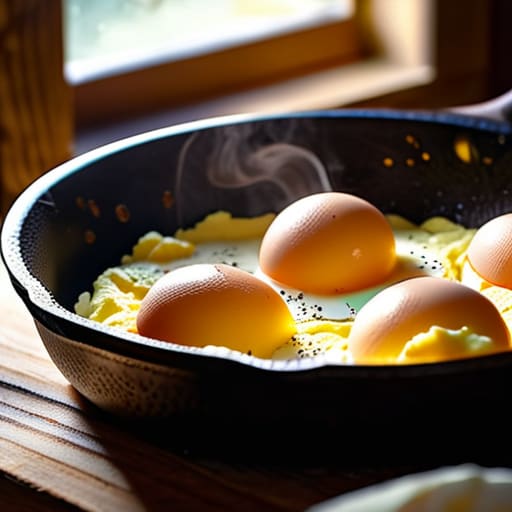
If you’ve ever felt like your breakfast was a bit too rubbery or, conversely, a watery mess on the plate, don’t worry—we’ve all been there. The secret to achieving that cloud-like, velvety consistency lies in mastering your egg cooking temperatures. I always tell my clients that heat is your most powerful tool, but it’s also the one you have to respect the most. Instead of cranking the burner to high, try using low, steady heat. This slow approach prevents the proteins from tightening up too quickly, allowing you to achieve those luscious, soft curds that make a meal feel like a warm hug.
Another one of my favorite scrambled egg texture tips is to pull the pan off the heat just seconds before you think they’re done. Residual heat is incredibly sneaky; it keeps cooking the eggs even after they hit the plate. I like to add a tiny knob of cold butter or a splash of heavy cream right at the end to stop the cooking process and add a luxurious richness. When you treat these simple ingredients with a little bit of mindfulness, you transform a quick morning bite into a truly soulful experience.
The Science of Egg Cooking Temperatures for Culinary Success
Now, let’s get into the nitty-gritty of what I call “kitchen physics.” When we talk about egg cooking temperatures, we aren’t just following a recipe; we are managing protein coagulation. If you’ve ever bitten into an egg that felt rubbery or unpleasantly tough, you’ve likely crossed the line from a delicate cook to an accidental science experiment. Proteins are finicky creatures—they want to bond, but if they get too much heat too quickly, they squeeze out moisture and leave you with something that feels more like a bouncy ball than a breakfast staple.
To master the best ways to prepare eggs, you have to learn to listen to the pan and watch the clock. For instance, a gentle simmer is the secret to a flawless poached egg technique, ensuring the whites set without turning the yolk into a gritty mess. Even when you’re working with hard-boiled eggs, precision is everything. Instead of guessing, I always recommend using a reliable boiled egg timing guide to hit that perfect creamy center every single time. It’s all about finding that sweet spot where the heat works with the ingredient, not against it.
My Chef’s Secret Toolkit for Egg Perfection
- Don’t fear the fat. While I love a lean meal, using a high-quality European butter or a touch of extra virgin olive oil isn’t just about flavor; it creates that silky, professional mouthfeel that separates a home breakfast from a bistro-style experience.
- Temperature is your best friend, but patience is your better one. I always tell my clients that rushing an egg is the quickest way to turn a delicate protein into a rubbery mess. Keep your heat low and steady to maintain that gorgeous, tender structure.
- Always start with fresh, room-temperature eggs if you can. When an egg is cold straight from the fridge, it hits a hot pan and shocks the proteins, making them tighten up too quickly. Giving them a few minutes on the counter makes a world of difference in texture.
- Season at the very last second. If you’re making scrambled eggs, adding salt too early can actually draw moisture out of the whites and leave you with a watery plate. A sprinkle of flaky sea salt right before serving keeps everything bright and delicious.
- Respect the residual heat. This is the golden rule I learned in those high-pressure NYC kitchens: pull your eggs off the heat when they look just a tiny bit wetter than you actually want them. They’ll continue to cook on the plate, ensuring they stay creamy rather than overdone.
My Golden Rules for Egg Mastery
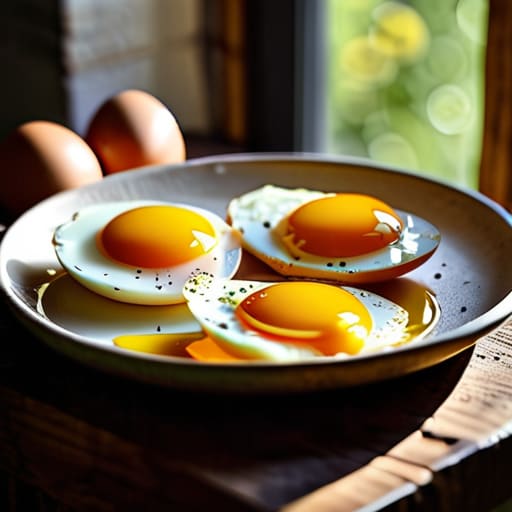
Respect the heat; whether you’re aiming for that silky, slow-cooked scramble or a precise sunny-side up, controlling your temperature is the difference between a culinary masterpiece and a rubbery mistake.
Texture is your canvas; treat every egg as an opportunity to practice your technique, turning a humble breakfast staple into a soulful expression of your growing culinary artistry.
Don’t fear the basics; mastering the fundamentals of egg cookery builds the foundational confidence you need to eventually transition from a home cook to a professional powerhouse in any kitchen.
The Heartbeat of the Kitchen
“Never look at an egg as just a quick breakfast staple; look at it as a blank canvas. Whether you’re whisking them into a silky scramble or poaching them to perfection, mastering the egg is your first real step in learning how to command the heat and respect the ingredient.”
Amelia Johnson
Mastering the Art of the Morning Egg
At the end of the day, mastering the humble egg comes down to respecting the details we often overlook in the rush of a busy morning. We’ve talked about how the gentle control of heat can transform a rubbery mess into a velvety dream, and how understanding the science of coagulation allows you to achieve that perfectly tender consistency every single time. Whether you are aiming for those soft, pillowy scrambled eggs or a precise sunny-side up yolk, remember that your tools and your temperature settings are your best friends in the kitchen. It’s about moving away from mindless cooking and toward a more intentional culinary practice that honors even the simplest ingredients.
As you head back into your kitchen, I want you to remember that cooking isn’t just a chore on your to-do list; it is a playground for your creativity. Don’t be afraid to experiment, to fail a few times, or to add a little extra seasoning from that spice kit I’m always lugging around! Every time you crack an egg, you have a tiny, delicious opportunity to practice the artistry that makes a meal feel like a gift to yourself. Use these techniques as your foundation, but let your own passion be the secret ingredient that makes your breakfast truly unforgettable. Now, go get cooking and make something beautiful!
Frequently Asked Questions
Is there a way to get that restaurant-quality creamy texture without needing professional-grade equipment?
Oh, I get this question all the time! The short answer? Absolutely. You don’t need a $500 induction burner to get that velvety, restaurant-style finish. The secret isn’t fancy gear; it’s all about temperature control and patience. Use a heavy-bottomed pan to prevent hot spots, and most importantly, keep that heat low. Constant, gentle movement—think a soft whisking motion—is what creates those tiny, creamy curds instead of large, rubbery chunks. Trust me, your breakfast will thank you!
How do I know when I've gone too far and turned my eggs from silky to rubbery?
It’s the ultimate kitchen heartbreak, isn’t it? You’ll know you’ve crossed the line when the eggs lose that gorgeous, custard-like sheen and start looking matte or slightly “weepy.” If they feel bouncy or springy under your fork instead of melting on your tongue, you’ve hit the rubbery zone. Honestly, if they look like they’re holding their shape too firmly, they’re overcooked. Aim for that soft, trembling finish—it’s much better to pull them slightly early!
Can I still achieve a perfect result if I'm using farm-fresh eggs versus the ones from my local grocery store?
Oh, absolutely! In fact, farm-fresh eggs are a total game-changer. When you’re working with eggs straight from the coop, you’ll notice the whites are thicker and the yolks are incredibly vibrant—it’s like culinary gold. Just a heads-up, though: because they’re so fresh, they can sometimes behave a little differently in the pan. You might need to adjust your heat slightly, but that extra richness is worth every second of tweaking!


Amelia Johnson
I believe that food is not just sustenance but an expression of culture and creativity. Let’s explore how we can turn our culinary passions into rewarding careers that feed both our souls and our wallets.