How to Store Food So It Stays Fresh Longer
I still remember one of my first shifts in a high-pressure NYC kitchen, standing over a bin of wilted, expensive microgreens that had been tossed because someone didn’t understand the basics of temperature and airflow. It was a heartbreaking waste of money and talent, and honestly, it’s a mistake I see even seasoned home cooks making every single day. There is so much unnecessary hype about high-tech vacuum sealers and overpriced gadgetry, but the truth about how to store food properly is far more grounded than that. It isn’t about having the fanciest kitchen on the block; it’s about understanding the life cycle of your ingredients.
I’m not here to sell you on a subscription service or a collection of designer containers you don’t actually need. Instead, I want to share the practical, battle-tested methods I’ve gathered from years in professional kitchens and my own travels through street food markets. My promise to you is simple: I’ll show you how to respect your ingredients so they stay vibrant, delicious, and—most importantly—profitable for your kitchen. Let’s stop wasting good food and start honoring the flavors we work so hard to source.
Table of Contents
- Mastering Refrigerator Temperature Settings for Culinary Vitality
- Airtight Container Benefits Protecting Your Creative Flavors
- Beyond the Basics: Five Pro-Tips to Keep Your Kitchen Flourishing
- The Chef’s Cheat Sheet for Flavor Longevity
- Respecting the Lifecycle of Your Ingredients
- Respecting the Ingredients, Honoring the Craft
- Frequently Asked Questions
Mastering Refrigerator Temperature Settings for Culinary Vitality
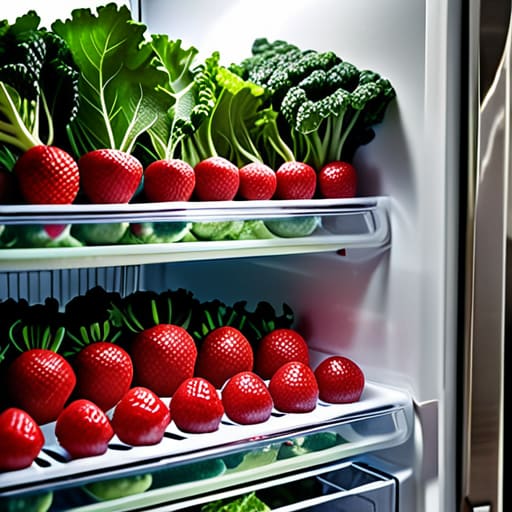
Think of your refrigerator not just as a cold box, but as the heartbeat of your kitchen. If the temperature is off, even the most expensive organic produce will lose its luster in days. To keep your ingredients at their peak, you need to be intentional about your refrigerator temperature settings. I always tell my clients to aim for that sweet spot between 35°F and 38°F. Anything higher and you’re essentially inviting bacteria to a party, which is the fastest way to fail at preventing food spoilage.
It’s also about understanding the “micro-climates” inside your fridge. Your crisper drawers are designed to manage humidity, which is vital for extending the shelf life of common groceries like leafy greens or berries. Don’t just toss everything on a middle shelf and hope for the best; a disorganized fridge can lead to uneven cooling and wasted money. By mastering these small adjustments, you aren’t just being organized—you’re treating your ingredients with the respect they deserve, ensuring every bite tastes as vibrant as the day you bought it.
Airtight Container Benefits Protecting Your Creative Flavors
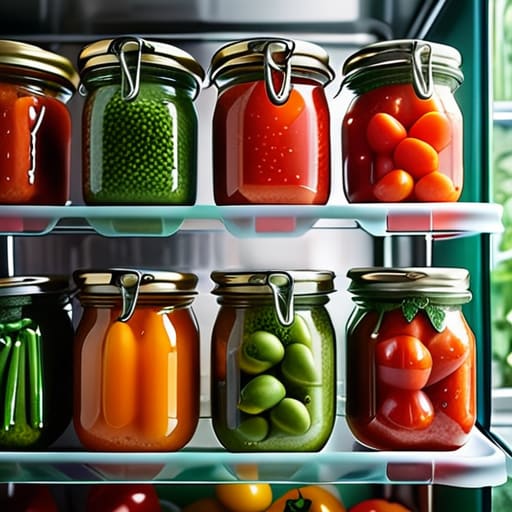
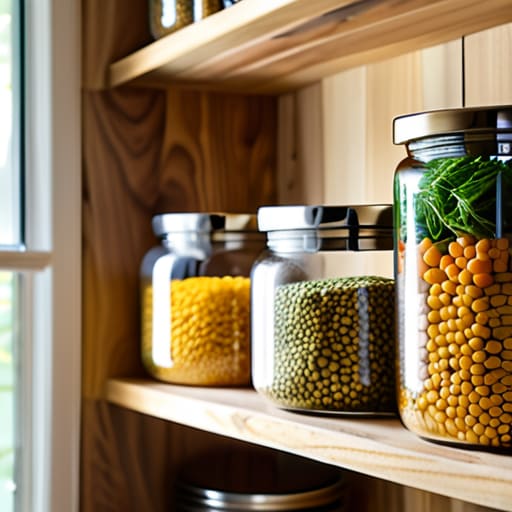
If you’ve ever opened your fridge only to be met with that dreaded “mystery smell,” you know exactly what I’m talking about. It’s not just unpleasant; it’s a sign that your ingredients are losing their battle against the elements. This is where the airtight container benefits truly shine. When you seal your leftovers or prepped veggies in high-quality, airtight vessels, you aren’t just tidying up; you are creating a fortress. By blocking out oxygen and preventing cross-contamination, you are actively preventing food spoilage and ensuring that the delicate aromatics of a homemade pesto or a slow-simmered ragu stay exactly as vibrant as the moment they were made.
Beyond the fridge, don’t overlook your freezer. We’ve all experienced that heartbreaking moment of biting into a piece of chicken only to find it covered in icy, flavorless crystals. Investing in heavy-duty, sealable containers is your best defense for freezer burn prevention. It’s about more than just saving a few dollars; it’s about respecting the craft. When we protect our ingredients from oxidation and moisture, we ensure that every meal we cook remains a true expression of our creativity.
Beyond the Basics: Five Pro-Tips to Keep Your Kitchen Flourishing
- Respect the “First In, First Out” rule. It’s a classic kitchen management technique for a reason! When you get home from the market, rotate your stock so the older ingredients move to the front. It prevents that heartbreaking moment when you find a forgotten, wilted bunch of cilantro at the back of the crisper.
- Give your greens some breathing room. I’ve learned the hard way that stuffing herbs or leafy greens into tight spaces is a recipe for mush. Try lining your containers with a paper towel to absorb excess moisture; it’s like giving your veggies a little spa treatment to keep them crisp and vibrant.
- Don’t be afraid of the freezer, but do it with intention. If you see a beautiful piece of protein or a surplus of seasonal produce that you won’t use by tomorrow, freeze it! Just make sure you label everything with a date—future you will be so incredibly grateful when you’re meal prepping on a busy Tuesday.
- Keep your aromatics in the right habitat. While it’s tempting to toss everything in the fridge, things like onions, garlic, and potatoes actually prefer a cool, dark, and dry pantry. Putting them in the fridge can actually make them sprout or get weirdly soft, and we want those flavors to stay sharp.
- Treat your oils and vinegars like fine wine. Keep them away from the heat of the stove! Storing your olive oils in a cool, dark cupboard preserves those delicate, peppery notes that make a dish sing, rather than letting them turn rancid from constant temperature swings.
The Chef’s Cheat Sheet for Flavor Longevity
Think of your storage as an extension of your prep work; using the right airtight containers isn’t just about organization, it’s about locking in the vibrant aromas and textures that make your cooking special.
Don’t let your fridge become a graveyard for expensive ingredients—keep a close eye on those temperature settings to ensure your produce stays crisp and your proteins stay safe.
Respect the lifecycle of your ingredients by storing them with intention, because minimizing waste is the quickest way to respect both your culinary creativity and your hard-earned budget.
Respecting the Lifecycle of Your Ingredients
“Think of food storage not as a chore, but as a way of honoring the journey your ingredients took to get to you; when we protect our produce and proteins with intention, we aren’t just preventing waste, we’re preserving the very soul and vibrancy of the flavors we’re about to create.”
Amelia Johnson
Respecting the Ingredients, Honoring the Craft
At the end of the day, mastering food storage isn’t just about checking boxes on a kitchen safety list or following a set of rigid rules. It’s about the intentionality you bring to your workspace. By dialing in your refrigerator temperatures and investing in high-quality, airtight containers, you aren’t just preventing spoilage; you are actively protecting the integrity of your ingredients. Whether you are a home cook prepping for a busy week or a professional chef managing a high-volume line, these small, disciplined habits ensure that every herb stays vibrant and every sauce retains its complex profile. When we treat our ingredients with this level of care, we minimize waste and maximize the culinary potential of everything we touch.
I know that when you’re in the thick of a busy service or a chaotic family dinner, these details can feel like just one more thing on an endless to-do list. But I promise you, there is a profound beauty in the stewardship of food. Every time you properly seal a container or organize your pantry, you are honoring the farmers, the producers, and the incredible flavors that make cooking such a soulful experience. Let these practices become a natural part of your rhythm, transforming your kitchen from a place of mere preparation into a sanctuary of creativity. Keep experimenting, keep tasting, and most importantly, keep honoring the craft that feeds us all.
Frequently Asked Questions
Is there a specific way I should organize my fridge to prevent cross-contamination while still keeping my ingredients easily accessible for meal prep?
Think of your fridge like a professional mise en place; everything has a strategic home! To keep things safe, follow the “top-down” rule: store ready-to-eat foods and produce on the higher shelves, and keep raw proteins—like chicken or beef—on the very bottom. This prevents any accidental drips from contaminating your prep. For easy meal prep, use clear, stackable bins so you can see your gems at a glance without playing Tetris every morning!
I hate wasting money; how can I tell if a high-quality ingredient has actually gone bad versus just being slightly past its "best by" date?
Listen, I totally get it. Wasting premium ingredients feels like throwing money straight into the bin! Here’s my golden rule: trust your senses over the label. Those “best by” dates are often just quality suggestions, not hard deadlines. Instead, use the “Sniff, Sight, and Touch” test. Does it smell off? Is there an unusual sliminess or visible fuzz? If it looks and smells vibrant, it’s likely still delicious. Don’t let a printed date scare you away from greatness!
When it comes to freezing homemade sauces or stocks, are there certain containers that are better for preserving the texture and preventing freezer burn?
Freezing your homemade stocks and sauces is a total game-changer for busy weeks, but you’ve got to do it right! I swear by heavy-duty, BPA-free plastic containers or glass jars—just leave a little “headspace” at the top so they don’t crack when the liquid expands. For smaller batches, silicone molds are absolute magic; once frozen, pop those “flavor cubes” into a reusable bag. It prevents freezer burn and keeps that silky texture perfectly intact!


Amelia Johnson
I believe that food is not just sustenance but an expression of culture and creativity. Let’s explore how we can turn our culinary passions into rewarding careers that feed both our souls and our wallets.