
How to Build a Portfolio That Gets You Hired
I still remember standing in a sweltering, windowless kitchen in Midtown, staring at a stack of resumes that all looked exactly the same. It was soul-crushing. Everyone was trying so hard to follow the “official” rules, yet nobody was actually showing who they were behind the line. That’s the biggest lie in our industry: the idea that you need a fancy, expensive website or a glossy binder to prove your worth. Honestly, if you’re obsessing over high-end design before you’ve even mastered the basics of how to build a portfolio that actually tells a story, you’re just wasting precious prep time. You don’t need a digital masterpiece; you need a culinary roadmap that proves you can handle the heat.
I’m not here to give you a lecture on corporate branding or some overpriced seminar fluff. Instead, I’m going to share the exact, no-nonsense framework I use when consulting for top-tier restaurants to help chefs showcase their true talent. We’re going to dive into how to curate your best work, capture the soul of your dishes, and present your skills in a way that makes hiring managers stop scrolling. Let’s get to work.
Table of Contents
Curating Best Projects to Showcase Your Culinary Soul
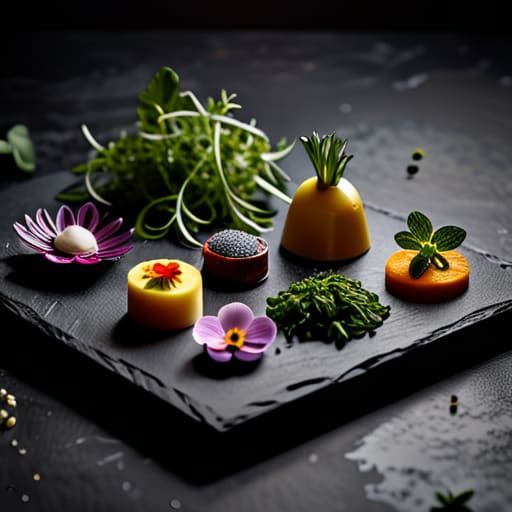
Now, let’s talk about the heavy lifting: curating best projects that actually tell a story. When I was working the line in NYC, I realized that anyone can snap a photo of a pretty plate, but not everyone can show the intentionality behind it. You don’t want to just dump every recipe you’ve ever scribbled down into a folder. Instead, treat your selection like a high-end tasting menu. You want a cohesive progression of flavors—or in this case, skills—that shows your range, from technical precision to pure, unadulterated creativity.
When you’re showcasing creative work, aim for quality over sheer volume. I always tell my clients to pick five to seven standout pieces that represent the different “chapters” of their culinary identity. If you’re looking for inspiration, browsing through various digital portfolio examples can help you see how others balance stunning visuals with the actual substance of their work. Remember, a hiring manager isn’t just looking for a chef who can follow a recipe; they’re looking for the artist who understands why that specific acidity balances that specific fat.
Studying Digital Portfolio Examples for Creative Inspiration

Now, don’t just stare at a blank screen and hope for magic to happen. Before you start picking out fonts or uploading photos, I want you to go on a little “digital scavenger hunt.” Spend some time looking at various digital portfolio examples from chefs, food stylists, and culinary consultants who are already doing what you dream of doing. It’s not about copying their recipes—it’s about understanding their plating. Look at how they balance high-res imagery with the story behind the dish. Are they letting the colors pop, or are they leaning into a more minimalist, fine-dining aesthetic?
As you browse, pay close attention to their case study structure. A great portfolio isn’t just a gallery of pretty plates; it’s a narrative. Notice how the pros explain the “why” behind their creations—maybe they’ll describe the seasonal sourcing of an ingredient or the technical challenge of a specific emulsion. This is how you move beyond just showcasing creative work and start demonstrating your professional expertise. Finding that spark in someone else’s journey is often the best way to find your own culinary voice.
Five Secret Ingredients for a Portfolio That Pops
- Don’t just show the final plate; tell the story of the prep. I want to see the mise en place, the raw ingredients, and even the messy middle. It shows a potential employer that you have the discipline and the process to back up that beautiful finished dish.
- Quality over quantity, always. It’s much better to have three breathtaking, high-resolution photos of a perfectly executed duck confit than twenty blurry shots of mediocre pasta. Think of it as a curated tasting menu—every single item needs to earn its spot on the table.
- Let your unique voice simmer through the descriptions. Instead of just listing “Seared Scallops with Pea Purée,” tell me why you chose that specific citrus to cut through the richness. Your “why” is what separates a line cook from a culinary artist.
- Keep your technical skills in the spotlight. If you’re a master of sourdough fermentation or have a knack for intricate sugar work, make sure there’s a dedicated corner for that. Show them the specialized tools in your kit that make you indispensable.
- Organize it so it’s easy to digest. No one wants to hunt through a cluttered digital kitchen to find what they’re looking for. Use clean layouts and intuitive navigation so a busy restaurateur or recruiter can see your talent within seconds of clicking your link.
The Secret Sauce: Your Portfolio Cheat Sheet
Quality over quantity, always. It’s much better to showcase five dishes that tell a cohesive story of your skill and creativity than to dump twenty mediocre photos into a digital folder.
Don’t just show the plate; show the process. People want to see the passion behind the scenes—the prep, the technique, and the “why” behind your flavor profiles—not just a finished photo.
Keep your presentation as sharp as your knives. A cluttered, disorganized portfolio is like a messy station during a rush; keep it clean, intuitive, and easy for a potential employer to navigate.
The Secret Ingredient
“Don’t just think of your portfolio as a dry list of recipes or a collection of food photos; think of it as your professional tasting menu. It’s your chance to show the world not just what you can cook, but the heart, the hustle, and the unique flavor you bring to every single kitchen you step into.”
Amelia Johnson
From Mise en Place to the Main Event
At the end of the day, building a portfolio is a lot like prepping for a busy Saturday night service; it requires patience, precision, and a whole lot of heart. We’ve talked about selecting those standout projects that truly represent your unique flavor, finding inspiration in the digital world, and organizing everything so it flows as smoothly as a well-executed reduction. Remember, your portfolio isn’t just a static collection of photos or menus; it is a living, breathing testament to your growth and your technical skill. By focusing on quality over quantity and ensuring your personal brand shines through every pixel, you are setting the stage for professional opportunities that actually align with who you are.
As you move forward, don’t let the fear of perfectionism keep you from hitting “publish.” Your culinary journey is a work in progress, and your portfolio will evolve right alongside your palate. Whether you are aiming for a head chef position or a niche consulting gig, let your passion be the secret ingredient that makes your work unforgettable. Trust your instincts, keep refining your craft, and never be afraid to add a little extra spice to your professional identity. You have the talent and the vision—now go out there and show the world what you’re cooking.
Frequently Asked Questions
I don't have much professional experience yet—can I still build a killer portfolio using my home cooking or culinary school projects?
Oh, absolutely! Please don’t let a lack of “official” kitchen experience hold you back. I’ve seen incredible talent rise from nothing but a home kitchen and a dream. Think of your culinary school projects or those ambitious weekend experiments as your training ground. If you can plate a stunning dish at home with intention and storytelling, you’re showing potential employers your technique, your eye for detail, and—most importantly—your creative spark.
Should I focus more on high-quality photos of finished plates, or should I include shots of my prep work and kitchen organization to show how I actually work?
Oh, that is such a fantastic question! Honestly? You need both. Think of your finished plates as the “wow” factor—the grand finale that grabs attention. But your prep work and mise en place? That’s where the real magic happens. It proves you have the discipline and technical skill to back up that beautiful plating. Showing a clean, organized station tells a potential employer, “I’m not just a dreamer; I’m a professional who can handle the heat.”
Is it better to host my portfolio on a dedicated website, or is a polished Instagram feed enough to impress a hiring manager?
Think of Instagram as your appetizer and a dedicated website as the main course. An Instagram feed is fantastic for showing your personality and real-time creativity—it’s your visual “vibe.” But if you want to land that Executive Chef or consultant role, you need a website. It’s your professional kitchen: organized, easy to navigate, and capable of holding your full resume and deep-dive project stories. Use social media to grab attention, but use a website to close the deal.


Amelia Johnson
I believe that food is not just sustenance but an expression of culture and creativity. Let’s explore how we can turn our culinary passions into rewarding careers that feed both our souls and our wallets.