Upcycling Furniture Ideas That Look Expensive
Ever walked into a thrift store or poked around a garage sale and felt that sudden pang of guilt seeing a beautiful, solid wood dresser destined for a landfill? I get it. Growing up in Vermont, my grandmother taught me that nothing in a kitchen—or a home—should ever go to waste; if you have the right ingredients, you can transform something humble into something extraordinary. Lately, I’ve been applying that same culinary philosophy to my living space, realizing that finding creative upcycling furniture ideas is a lot like reducing a sauce: it takes a little patience and the right seasoning, but the depth of character you gain is absolutely worth the effort.
In this post, I’m stepping out of the kitchen and into the workshop to show you how to infuse your home with a sense of history and soul. I’ve curated five specific projects that will help you stop seeing “old junk” and start seeing limitless potential. Whether you’re looking to save a few dollars or just want to craft a space that truly reflects your unique personality, these five ideas will give you the confidence to pick up a paintbrush and start creating. Let’s get cooking!
Table of Contents
- The Rustic Spice Rack Transformation
- Giving Old Crates a Gourmet Glow-Up
- The Statement Sideboard Revival
- Repurposing Vintage Trays into Chic Serving Stations
- Transforming Mismatched Chairs into a Cohesive Set
- My Final Kitchen Wisdom for Your Upcycling Journey
- The Secret Ingredient in Every Space
- Bringing It All Home
- Frequently Asked Questions
The Rustic Spice Rack Transformation
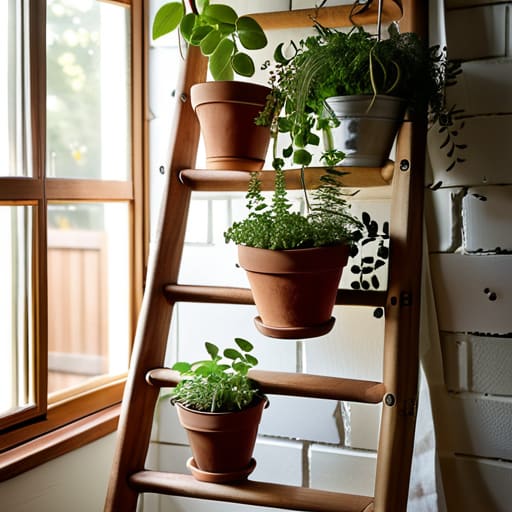
You know how I always say a little seasoning can change everything? The same goes for an old, battered wooden ladder leaning in your garage. Instead of letting it collect dust, grab some sandpaper and a warm, honey-toned stain to turn it into a stunning vertical herb garden or a dedicated spice station for your kitchen. It brings that cozy, Vermont farmhouse vibe right into your cooking space, making your ingredients feel like part of the decor.
Giving Old Crates a Gourmet Glow-Up
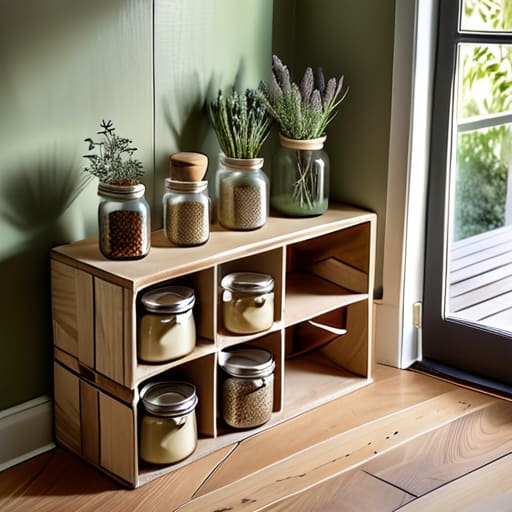
In the culinary world, we use crates all the time to transport fresh produce, and they have such a beautiful, rugged soul. If you find some old wooden fruit crates at a flea market, don’t just leave them as-is. Give them a light sanding and perhaps a coat of chalk paint in a soft sage or navy to transform them into modular shelving for your pantry or even a unique coffee table.
The Statement Sideboard Revival
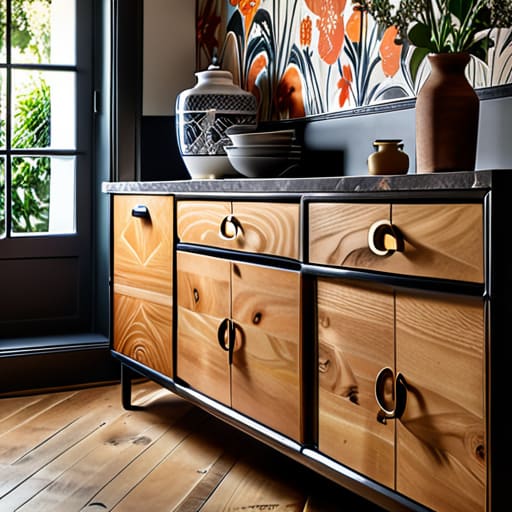
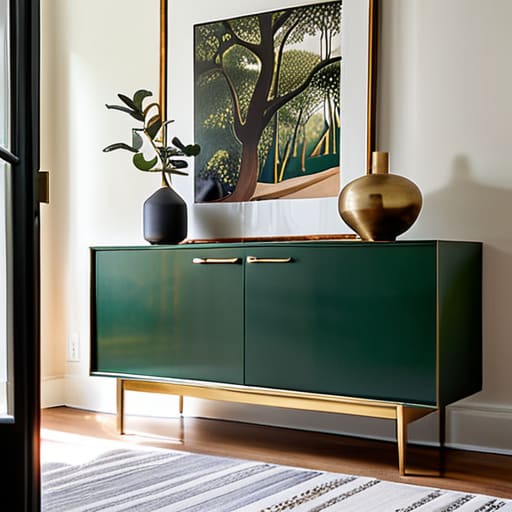
Every great kitchen needs a reliable workstation, and sometimes that means breathing life into a dated, heavy sideboard. If you stumble upon a piece with great “bones” but a terrible finish, don’t walk away! Think of it as a tough cut of meat that just needs the right preparation. A fresh coat of high-gloss lacquer or even some bold, patterned wallpaper inside the drawers can turn a boring piece of furniture into the absolute star of your dining room.
Repurposing Vintage Trays into Chic Serving Stations
I’ve spent a lot of time traveling and seeing how different cultures use serving vessels, and I’ve realized that a beautiful tray is a universal symbol of hospitality. If you find old wooden trays or even vintage metal platters that have seen better days, don’t let them sit in a cupboard. You can mount them onto a small wooden base to create a sophisticated tabletop centerpiece or use them as decorative bases for your candle arrangements.
Transforming Mismatched Chairs into a Cohesive Set
We’ve all been there—you find a single, gorgeous chair at a thrift store, but it just doesn’t match anything you own. Instead of seeing a mismatch, see an opportunity for a curated collection. I love the idea of taking a few different styles of wooden chairs and giving them a unified look through color. A consistent paint palette can bridge the gap between different eras and silhouettes, creating a look that is intentionally eclectic.
My Final Kitchen Wisdom for Your Upcycling Journey
Don’t be afraid to play with your ingredients; just like a bold new spice blend, the best upcycled pieces often come from a little bit of fearless experimentation.
Focus on the soul of the piece, not just the polish—a well-loved, slightly weathered texture can add more character to your home than something brand new and sterile.
Treat every project as a way to nourish your creativity, remembering that the goal isn’t perfection, but creating something that truly feeds your spirit and your space.
The Secret Ingredient in Every Space
“Just like a great reduction, upcycling is all about taking something raw and overlooked and simmering it with a bit of creativity until it transforms into something rich, soulful, and entirely your own.”
Amelia Johnson
Bringing It All Home
Whether you decided to dive into the world of bold paint transformations, experiment with chic new hardware, or tackle a full-scale sanding and staining project, you’ve officially taken the first step toward a more intentional home. Just like I learned back in my early days in the kitchen, the secret to a great result isn’t always about having the most expensive ingredients; it’s about how you layer the flavors and treat your base materials. By repurposing these pieces, you aren’t just saving a few bucks or keeping items out of a landfill—you are actively curating a space that tells a story. From vintage side tables to weathered wooden chairs, each piece now carries a bit more character and soul than it did when it was just another item in a dusty thrift store corner.
As you move forward with your next DIY adventure, I want you to remember that there are no mistakes in creativity, only unexpected seasoning. Just because a project doesn’t turn out exactly like the Pinterest photo doesn’t mean it’s a failure; sometimes, the most beautiful things come from a little bit of improvisation and grit. So, grab your sandpaper, pick out a color that makes your heart sing, and don’t be afraid to get a little messy. You are building more than just furniture; you are building a life filled with passion and purpose. Now, go out there and make something wonderful!
Frequently Asked Questions
I'm a total beginner—what are the absolute must-have tools I should grab before I start my first project?
Think of this like setting up your first mise en place—you can’t cook a five-star meal without the right prep tools! For your first project, don’t go overboard. Grab a decent screwdriver set, some sandpaper (medium and fine grit), a measuring tape, and a sturdy paintbrush. If you’re feeling ambitious, a cordless drill is a total game-changer. Start simple, build your confidence, and remember: even the best chefs started with just a single knife!
How do I know if a piece of furniture is actually "good bones" worth saving, or if it's just a lost cause?
Think of it like a recipe: you can fix a sauce that’s too salty, but you can’t fix a rotten tomato. When I’m scouting pieces, I look for the “flavor profile”—solid wood, dovetail joints, and sturdy weight. If it’s particle board or has structural rot, it’s a lost cause. But if the frame is solid, even if the finish is tragic, that’s a goldmine waiting for a little culinary—or in this case, creative—magic!
Is there a way to upcycle without my entire house smelling like heavy paint and chemicals for a week?
Oh, I hear you! Trust me, I’ve spent enough time in cramped kitchens to know that a lingering smell can ruin even the best meal. You don’t need to turn your home into a chemical factory. Skip the heavy aerosols and reach for low-VOC or zero-VOC paints instead—they’re total game-changers. Also, try natural methods like sanding by hand or using beeswax finishes. It’s just like cooking; sometimes the freshest ingredients make the best results!


Amelia Johnson
I believe that food is not just sustenance but an expression of culture and creativity. Let’s explore how we can turn our culinary passions into rewarding careers that feed both our souls and our wallets.