The Best Houseplants for People Who Kill Plants
I’ve spent most of my career in high-pressure professional kitchens, where the chaos of a dinner rush is managed with precision, timing, and a lot of heat. But lately, I’ve found that my most important “mise en place” happens right at home, in the quiet corners of my living room. There is something incredibly grounding about tending to a living thing, yet I know how intimidating it can feel to walk into a nursery and face a wall of lush, demanding greenery. If you’ve ever felt like you lack a “green thumb,” you aren’t alone—finding the right houseplants for beginners shouldn’t feel like trying to master a complex soufflé on your very first attempt.
In this guide, I’m stripping away the intimidation and sharing my personal “starter recipe” for a thriving indoor jungle. I’ve handpicked five resilient, low-maintenance varieties that are practically bulletproof, even if you tend to forget a watering schedule here and there. By the end of this list, you won’t just have a shopping list; you’ll have the confidence to cultivate a soulful, vibrant sanctuary that breathes life into your home just as much as a perfectly seasoned meal feeds the spirit.
Table of Contents
- The Resilient Snake Plant
- Pothos: The Culinary Herb of Houseplants
- The Unstoppable ZZ Plant
- Spider Plant: A Burst of Energy
- Peace Lily: The Sophisticated Soul
- Bringing the Greenery Home: My Final Kitchen-Tested Tips
- ## Finding Your Green Rhythm
- Cultivating Your Own Indoor Sanctuary
- Frequently Asked Questions
The Resilient Snake Plant
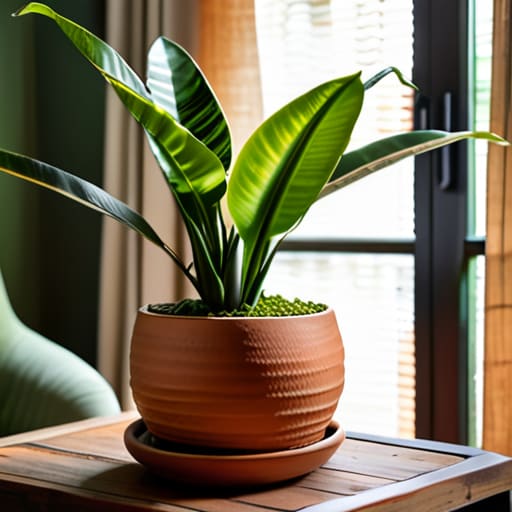
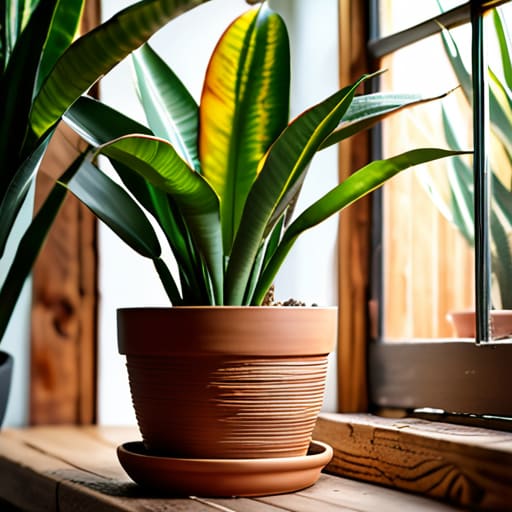
If I were to compare the Snake Plant to a kitchen tool, it would definitely be the trusty cast-iron skillet—it’s nearly indestructible and only gets better with time. This plant is the ultimate “set it and forget it” companion for anyone who might occasionally forget their watering schedule during a busy week of meal prepping or client meetings. It thrives in almost any light condition, making it the perfect low-maintenance roommate for those dim apartment corners.
Pothos: The Culinary Herb of Houseplants
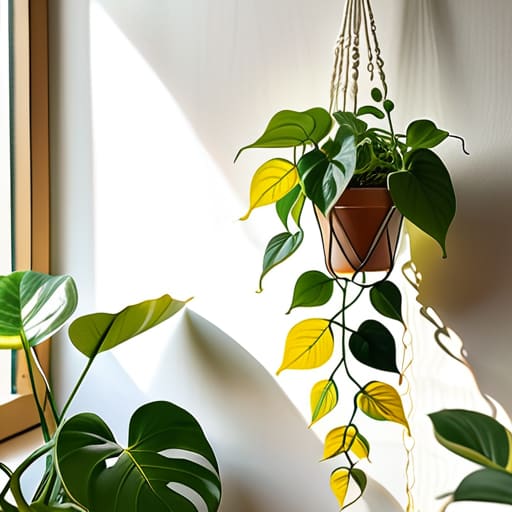
I often think of the Pothos as the “basil” of the greenery world—it grows incredibly fast, is super versatile, and just makes everything feel more alive and vibrant. These trailing vines are perfect for draping over a bookshelf or hanging from a macramé holder, adding a soft, cascading texture to your home decor. It’s a plant that truly wants to succeed, even if you aren’t an expert just yet.
The Unstoppable ZZ Plant
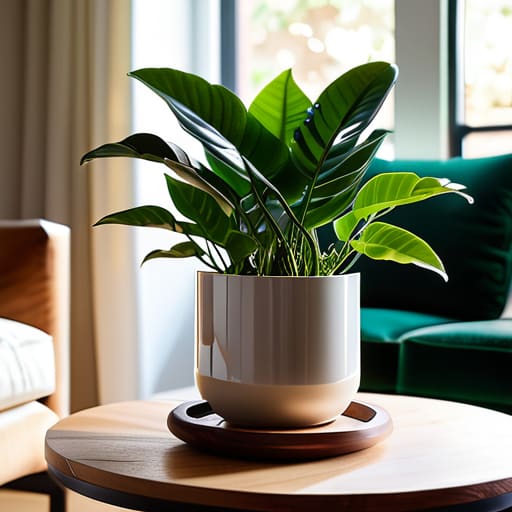
In the high-pressure world of professional kitchens, we rely on ingredients that can stand up to heat and chaos, and the ZZ Plant is exactly that for your living room. It features waxy, deep green leaves that look almost polished, giving off a sophisticated vibe even if you’re just living in a studio apartment. It is incredibly drought-tolerant, meaning it can handle a bit of neglect with grace, making it ideal for the busy professional.
Spider Plant: A Burst of Energy
If you’re looking for something that adds a bit of movement and whimsy to your space, look no further than the Spider Plant. These beauties produce little “babies” or plantlets that dangle from the mother plant, looking much like tiny, leafy stars. I find the process of watching them multiply to be incredibly rewarding and therapeutic, much like seeing a recipe finally come together perfectly after a few trials.
Peace Lily: The Sophisticated Soul
For those who want a touch of classic elegance, the Peace Lily is like the perfectly plated fine-dining dish of the plant kingdom. It offers beautiful, white spathes that look like delicate blooms, adding a sense of serenity and grace to any room. While it’s a bit more communicative than the Snake Plant—it will definitely “faint” when it wants water—this actually makes it a wonderful teacher for beginners.
Bringing the Greenery Home: My Final Kitchen-Tested Tips
Treat your first plant like a new recipe—don’t rush the process, observe how it reacts to its environment, and remember that even the best chefs (and gardeners!) learn through a little bit of trial and error.
Focus on resilience over perfection; starting with “hard-to-kill” varieties like pothos or snake plants builds your confidence and ensures your indoor oasis thrives while you’re still finding your rhythm.
Remember that nurturing a plant is about more than just decor; it’s about creating a soulful, living space that feeds your creativity and brings a sense of calm to your daily grind.
## Finding Your Green Rhythm
“Think of your first few houseplants much like a new recipe you’re testing out in the kitchen; you don’t need to master complex techniques on day one. Just start with a few resilient ‘staple ingredients’ like a pothos or a snake plant, learn how they respond to your environment, and let that confidence grow alongside your greenery.”
Amelia Johnson
Cultivating Your Own Indoor Sanctuary
As we wrap up our little tour of the plant world, remember that starting your indoor garden doesn’t require a green thumb or a degree in botany. Whether you’ve chosen the nearly indestructible snake plant or the lush, forgiving pothos, the secret lies in matching the plant’s needs to your own lifestyle. Just like mastering a complex mother sauce in a high-pressure kitchen, success comes down to patience and observation. Don’t be discouraged if you lose a leaf here or there; even the most seasoned chefs have a few burnt dishes, and even the best gardeners have a few withered stems. The key is to find those resilient varieties that let you build confidence while you learn the rhythm of light and water.
At the end of the day, nurturing these living things is about so much more than just home decor. Much like how a perfectly seasoned dish can transform a mood, a splash of greenery can turn a sterile apartment into a soulful sanctuary. I want you to view this journey as an act of creative expression—a way to bring a little piece of the wild, vibrant world into your daily routine. So, grab your watering can, find that perfect sun-drenched corner, and start growing. You aren’t just keeping plants alive; you are cultivating a space where you can truly breathe and flourish.
Frequently Asked Questions
I know I have these plants now, but how do I actually tell if I'm overwatering them or if they're just thirsty?
Think of your plants like a delicate reduction on the stove—timing and intuition are everything! To avoid “drowning” your green friends, don’t just follow a schedule; use the finger test. Stick your finger an inch into the soil; if it feels damp, walk away. If it’s bone-dry, it’s time for a drink. Also, watch the leaves: drooping can mean thirst, but yellowing, mushy leaves usually mean you’ve gone a bit overboard with the watering can!
Is there a way to keep my new green friends alive if my apartment doesn't get a ton of natural sunlight?
Don’t sweat it! Just like a delicate reduction needs a gentle simmer rather than a rolling boil, some plants actually thrive in the shade. If your apartment is a bit dim, look for “low-light champions” like Snake Plants or ZZ Plants—they’re incredibly resilient. You can also supplement with a small LED grow light; think of it as adding a little extra seasoning to a dish to make the flavors pop!
Do I need to start investing in fancy fertilizers right away, or can I just let them do their thing for a while?
Honestly, don’t go breaking the bank on fancy boutique fertilizers just yet! Think of it like seasoning a new dish—you wouldn’t dump a whole jar of truffle salt on a starter, right? For the first few months, your plants are mostly living off the nutrients already in their soil. Let them settle into their new homes first. Once you see them really finding their groove, then we can talk about leveling up their nutrition.


Amelia Johnson
I believe that food is not just sustenance but an expression of culture and creativity. Let’s explore how we can turn our culinary passions into rewarding careers that feed both our souls and our wallets.