Kitchen Organization Ideas for a Clutter-free Counter
I still remember a frantic Saturday night during my years running a high-volume kitchen in NYC; I was hunting for a specific whisk while a sauce was breaking on the stove, and the sheer chaos of my workstation felt like it was swallowing me whole. It wasn’t a lack of talent that was killing my flow—it was the clutter. Most people think you need a massive renovation or a collection of overpriced, aesthetic acrylic bins to fix this, but honestly, most of those trendy kitchen organization ideas you see on social media are just expensive distractions that don’t actually work when the heat is on.
I’m not here to sell you on a lifestyle makeover that looks good in a photo but fails during a dinner rush. Instead, I want to share the battle-tested strategies I’ve gathered from professional line cooks and my own consulting work to help you reclaim your space. We are going to focus on functional, intuitive systems that prioritize your workflow and spark your creativity. My goal is to give you practical, no-nonsense advice that turns your kitchen from a source of stress into a true culinary sanctuary where you can actually enjoy the magic of cooking.
Table of Contents
- Mastering Pantry Organization Hacks to Fuel Your Flavor Experiments
- Small Kitchen Storage Solutions for the Aspiring Culinary Artist
- The Pro-Chef Secret Sauce: 5 Quick Wins for a High-Functioning Kitchen
- Final Thoughts: Building Your Creative Command Center
- The Heart of Your Culinary Flow
- From Chaos to Culinary Calm
- Frequently Asked Questions
Mastering Pantry Organization Hacks to Fuel Your Flavor Experiments
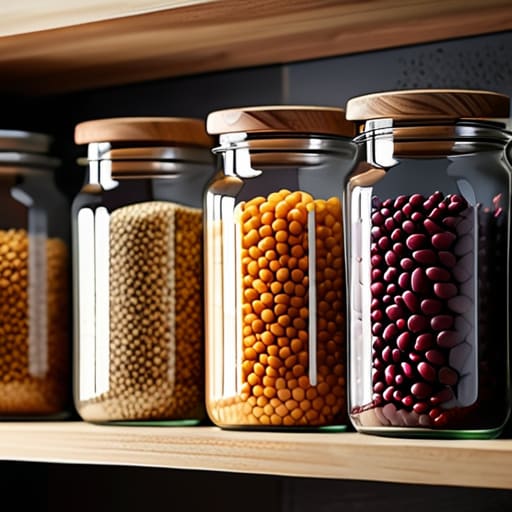
If you’re anything like me, your pantry is either a chaotic graveyard of expired spices or a beautifully curated library of flavor. When I was working the line in NYC, a messy pantry was my worst enemy; you can’t execute a vision if you’re hunting for cumin for ten minutes while the sauce is breaking. To avoid that stress, I swear by a few essential pantry organization hacks that actually work in a real, busy life. Start by ditching those bulky, half-empty cardboard boxes and moving your dry goods into clear, airtight containers. Not only does this keep things fresh, but it also gives you that instant visual inventory so you know exactly when you’re running low on arborio rice before a big dinner party.
Don’t forget about those awkward, deep corners that seem to swallow everything you own. Utilizing tiered shelving or even rotating lazy Susans can be absolute game-changers for maximizing kitchen space without needing a massive renovation. I always tell my clients that organization isn’t about perfection—it’s about accessibility. When your ingredients are easy to see and reach, you stop cooking out of necessity and start cooking with true creative intention.
Small Kitchen Storage Solutions for the Aspiring Culinary Artist
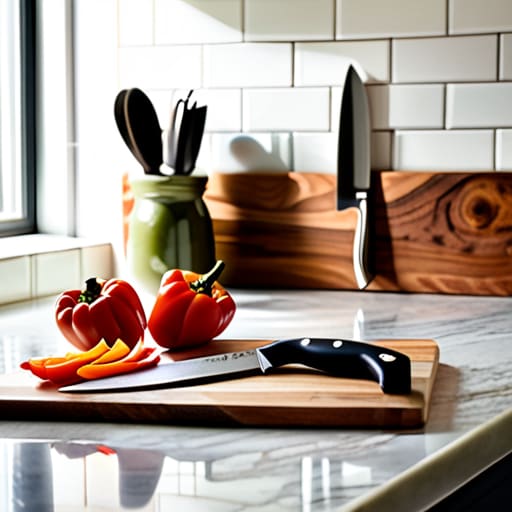
If you’re working with a tight footprint, I know exactly how claustrophobic a cluttered prep area can feel. When you’re trying to execute a complex recipe, the last thing you need is to be fighting for an inch of workspace. My biggest secret for maximizing kitchen space is to stop thinking about your floor plan and start thinking vertically. I’m a huge advocate for magnetic knife strips and wall-mounted spice racks; getting those essential tools off your counters and onto the walls instantly frees up that precious real estate for actual chopping and sautéing.
Don’t let those deep, dark cabinets become a “black hole” where expensive equipment goes to die. Instead, lean into some clever small kitchen storage solutions like tiered organizers or pull-out-style shelving. I always tell my clients that investing in quality kitchen drawer dividers is a total game-changer for maintaining order. When every whisk, offset spatula, and microplane has its own dedicated home, you spend less time digging through chaos and more time actually enjoying the creative flow of cooking.
The Pro-Chef Secret Sauce: 5 Quick Wins for a High-Functioning Kitchen
- Zone your workspace like a line cook. Instead of scattering your tools everywhere, group things by “stations”—keep your oils and seasonings right by the stove, and your prep tools near your cutting board. It sounds simple, but reducing those extra steps during a rush (even if it’s just a dinner rush for two!) keeps your creative flow from breaking.
- Embrace the power of clear containers for your dry goods. There is nothing more soul-crushing than reaching for flour and finding a half-empty, dusty bag tucked in the back. Decanting your grains, pasta, and spices into clear jars lets you see exactly what you have at a glance, so you’re never caught off guard mid-recipe.
- Utilize vertical real estate with magnetic knife strips and hanging racks. Your countertops are for prep, not for storage! Getting your most-used knives and heavy pans off the surface and onto the wall frees up precious square footage and honestly, there’s something so satisfying about seeing your tools ready for action.
- Implement a “First In, First Out” (FIFO) system for your fridge and pantry. It’s a classic kitchen management rule for a reason. When you bring home new groceries, slide the older items to the front. It prevents food waste, saves you money, and ensures you’re always working with the freshest ingredients possible.
- Invest in tiered organizers for your “flavor corner.” Whether it’s a lazy Susan for your oils or a tiered spice rack, having your condiments and seasonings easily accessible is a game changer. You want to be able to grab that smoked paprika without a frantic scavenger hunt while your garlic is sizzling in the pan!
Final Thoughts: Building Your Creative Command Center
Treat your organization as a tool for creativity, not just a chore; when you know exactly where your spices and tools live, you spend less time searching and more time actually cooking.
Scale your systems to your space, whether you’re working with a massive walk-in or a tiny studio apartment, because a well-curated environment is the foundation of a professional mindset.
Remember that a functional kitchen is a sustainable one; by investing time in your setup now, you’re preventing burnout and making room to truly enjoy the culinary journey you’ve chosen.
The Heart of Your Culinary Flow
“A cluttered kitchen is a cluttered mind; when you organize your tools and spices with intention, you aren’t just tidying up—you’re clearing the stage for your creativity to truly perform.”
Amelia Johnson
From Chaos to Culinary Calm
At the end of the day, organizing your kitchen isn’t just about finding a place for every whisk and jar; it’s about removing the friction between your ideas and the plate. We’ve looked at how a streamlined pantry can spark spontaneous flavor experiments and how clever storage solutions can turn even the tightest urban footprint into a professional-grade workstation. By implementing these hacks, you aren’t just tidying up—you are curating an environment that supports your growth, reduces stress during the dinner rush, and keeps your most essential tools right where your intuition needs them.
Remember, your kitchen is the heartbeat of your home and the laboratory for your creativity. Don’t feel like you have to overhaul everything overnight; start small, find what works for your specific rhythm, and let your space evolve alongside your skills. Whether you are a home cook dreaming of your first restaurant or a seasoned pro looking to reclaim your sanity, I promise you that a well-ordered space leads to a more inspired soul. Now, go grab those containers, clear that counter space, and get ready to cook something absolutely magnificent!
Frequently Asked Questions
How do I organize my spices so I can actually find what I need during a busy service without digging through a messy cabinet?
Trust me, I’ve been there—standing in the middle of a rush, sweating, while frantically digging through a mountain of half-empty spice tins. It’s a total momentum killer! My golden rule? Group your spices by frequency of use, not just alphabetically. Keep your daily essentials—think salt, pepper, and garlic powder—front and center at eye level. For the specialty stuff, use tiered risers or clear, uniform jars so you can see exactly what’s left at a glance.
What are some budget-friendly ways to maximize vertical space if I'm working with a tiny kitchen?
When you’re working with a tiny footprint, stop looking at your floor and start looking at your walls! Grab some inexpensive command hooks to hang your most-used utensils, or install a simple tension rod to corral lightweight items. I’m also a huge fan of magnetic knife strips—they save precious drawer space and look incredibly professional. It’s all about reclaiming that “airspace” so your counters stay clear for the actual magic: the cooking!
How can I organize my heavy equipment and specialty tools so they stay accessible but don't take over my precious counter space?
Let’s talk about those heavy hitters—the stand mixers and cast iron skillets that love to hog your precious real estate. I always tell my clients: if you don’t use it every single day, it shouldn’t be living on your counter. Invest in some sturdy lower shelving or a rolling kitchen cart to give those heavyweights a dedicated home. It keeps your workspace clear for actual creativity while ensuring your gear is always just a quick reach away!


Amelia Johnson
I believe that food is not just sustenance but an expression of culture and creativity. Let’s explore how we can turn our culinary passions into rewarding careers that feed both our souls and our wallets.