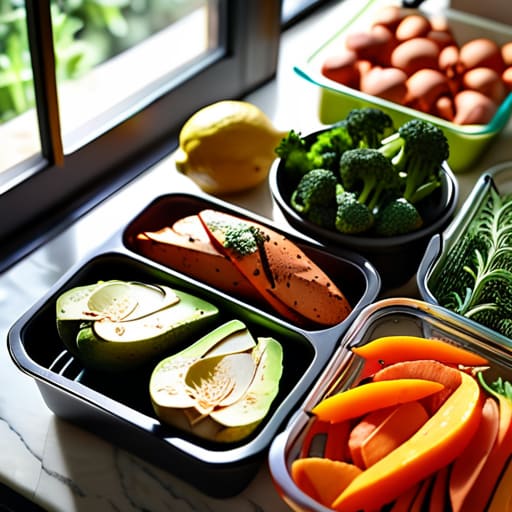
How to Meal Prep for the Whole Week
If you’ve ever scrolled through social media and felt like you needed a professional studio and a mountain of identical, plastic-wrapped Tupperware just to figure out how to meal prep, please, let me stop you right there. Honestly, the idea that meal prepping has to look like a sterile, color-coded laboratory experiment is one of the biggest myths in the food world—and it’s one that kills creativity faster than a dull chef’s knife. I spent years in high-pressure NYC kitchens where efficiency was everything, but I also learned that if food doesn’t have soul, it isn’t worth the effort. You don’t need a PhD in organization or a massive budget; you just need a plan that actually works for your real, messy, delicious life.
In this guide, I’m stripping away the aesthetic fluff to give you the real-world tactics I use to keep my kitchen running smoothly without losing the joy of cooking. We aren’t just talking about survival eating; we are going to master a system that honors your time and your palate. I promise to share the no-nonsense, chef-tested strategies that will help you build a sustainable routine that feeds your hunger and your ambition.
Table of Contents
- Curating Healthy Meal Prep Ideas for Your Creative Soul
- Elevating Batch Cooking Techniques to Transform Simple Ingredients
- My Chef-Tested Secrets for Stress-Free Prep
- Making Meal Prep Work for Your Life and Your Palate
- ## Reframing the Prep
- Bringing It All Home to Your Kitchen
- Frequently Asked Questions
Curating Healthy Meal Prep Ideas for Your Creative Soul

When we talk about healthy meal prep ideas, I want you to move away from the idea of bland, steamed broccoli and unseasoned chicken breasts. That’s a recipe for burnout, not a sustainable lifestyle! Instead, think of your prep time as a way to build a flavor library. I love using batch cooking techniques to prepare versatile components—like a roasted Moroccan spice medley or a zesty lemon-herb vinaigrette—that can be transformed into entirely different dishes throughout the week. This keeps your palate excited and prevents that dreaded “leftover fatigue.”
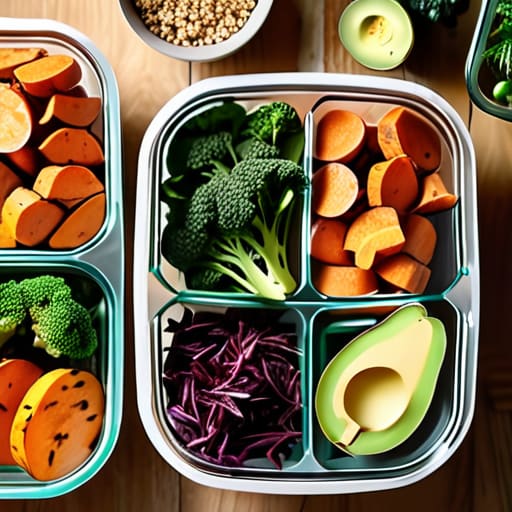
To keep things organized without losing the magic, invest in high-quality meal prep containers for storage that actually look beautiful. There is something incredibly empowering about opening your fridge and seeing a colorful, organized mosaic of fresh ingredients ready to go. It turns a frantic Tuesday night into a moment of calm, creative assembly. By focusing on vibrant textures and bold seasonings, you aren’t just preparing food; you are curating an experience that honors your body and your busy, beautiful life.
Elevating Batch Cooking Techniques to Transform Simple Ingredients
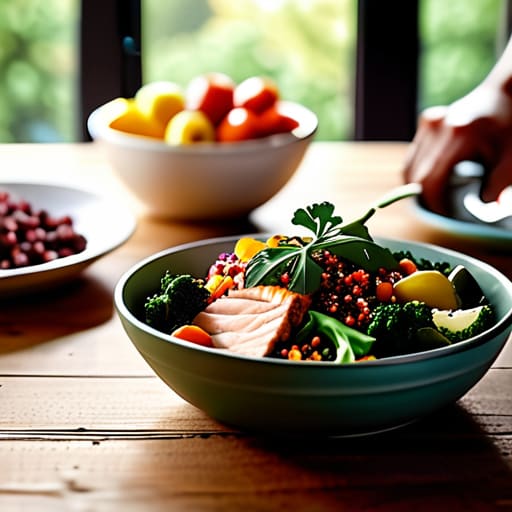
Now, let’s talk about moving beyond just “making food for the week” and actually mastering some professional batch cooking techniques. In the high-pressure kitchens where I spent my early career, we didn’t just cook; we built flavor profiles that could be layered over time. Instead of making one giant pot of bland chili, try prepping “component-style.” Think about roasting a tray of versatile seasonal vegetables, poaching a batch of seasoned proteins, and simmering a high-quality grain. This approach gives you the freedom to pivot your flavors mid-week—one night it’s a Mediterranean grain bowl, and the next, it’s a warm roasted veggie wrap.
The secret to keeping everything tasting fresh, rather than “leftover-ish,” is all in how you handle your ingredients. I always tell my clients that investing in high-quality meal prep containers for storage is a game-changer for maintaining texture and preventing that dreaded sogginess. If you treat your prep like a culinary toolkit rather than a chore, you’ll find that your kitchen becomes a place of endless possibility rather than just another item on your to-do list.
My Chef-Tested Secrets for Stress-Free Prep

- Think in components, not just complete meals. Instead of making five identical containers of chicken and broccoli, prep a versatile roasted protein, two different grain bases, and a handful of vibrant roasted veggies. This gives you the creative freedom to mix and match flavors throughout the week so you never feel like you’re eating leftovers.
- Invest in high-quality, airtight glass containers. Trust me, as someone who has seen way too many soggy salads in a professional kitchen, the right storage is a game-changer for texture. Glass keeps your ingredients fresher for longer and makes reheating feel a lot more like a real meal and less like a microwave afterthought.
- Master your “Flavor Station” to prevent palate fatigue. I always keep a little kit of acids, fats, and spices handy—think high-quality olive oil, fresh lemon juice, flaky sea salt, and maybe a jar of gochujang or harissa. Adding a fresh “kick” right before you eat can transform a prepped meal from “functional” to “fabulous.”
- Don’t underestimate the power of a “Prep Day” ritual. Set the mood! Put on your favorite playlist, pour a little sparkling water, and treat your prep time like a creative session rather than a chore. When you approach your kitchen with intention and joy, the food you prepare tastes infinitely better.
- Embrace the “One-Pot” philosophy for busy weeks. On those days when your energy is low, lean into sheet pan dinners or hearty braises. They minimize the dishes you have to scrub later and allow the flavors to meld together beautifully, giving you that slow-cooked taste without the professional kitchen labor.
Making Meal Prep Work for Your Life and Your Palate
View meal prepping as a creative ritual rather than a chore; use it as a chance to experiment with flavors and build a menu that actually excites you.
Invest in high-quality, versatile base ingredients that can be pivoted into different dishes to prevent “palate fatigue” by mid-week.
Balance efficiency with soul; don’t be afraid to leave a little room for spontaneity so your kitchen remains a place of joy rather than just a production line.
## Reframing the Prep
“Stop looking at meal prep as a chore or a way to restrict yourself; instead, see it as setting the stage for your own culinary creativity, ensuring that even on your busiest days, you have the ingredients to nourish both your body and your inspiration.”
Amelia Johnson
Bringing It All Home to Your Kitchen

At the end of the day, mastering the art of meal prep is about much more than just avoiding a mid-week takeout slump. We’ve talked about how you can curate menus that actually honor your creativity, and how elevating your batch cooking can turn a humble bag of lentils or a seasonal squash into something truly extraordinary. By implementing these techniques, you aren’t just managing your time; you are building a sustainable system that protects your energy and your wallet. Remember, the goal isn’t perfection or having a dozen identical plastic containers lined up in your fridge—it’s about creating a foundation of flavor that supports your busy, beautiful life.
As you head into your next grocery run, I want you to shift your mindset from “chore” to “opportunity.” Think of every prep session as a way to gift your future self a moment of peace and a delicious, nourishing meal. Whether you’re a seasoned pro or just starting to find your rhythm in the kitchen, trust your instincts and don’t be afraid to play with those spices in your kit! You have the power to turn the daily grind of eating into a celebration of culinary joy. Now, go get cooking—I can’t wait to see what you create!
Frequently Asked Questions
How do I keep my prepped meals from tasting like "leftovers" by the time Thursday rolls around?
The “leftover blues” are real, but they aren’t inevitable! The secret is layering textures and saving your “finishing touches” for the moment of truth. Don’t dress your salads or add crunchy toppings until you’re actually sitting down to eat. I also swear by a “flavor boost” kit—think fresh herbs, a squeeze of lime, or a drizzle of high-quality olive oil. Adding that hit of brightness right before serving breathes life back into your meal!
Is it better to prep entire meals in advance, or should I just prep individual components like proteins and grains to keep things flexible?
Honestly? It’s all about finding your rhythm. If you’re feeling drained after a long shift, prepping full meals is a lifesaver—it’s instant gratification. But if you crave variety, I’m a huge advocate for “component prepping.” Roast some chicken, cook a big batch of quinoa, and chop some veggies. This way, you aren’t eating the same exact bowl five days in a row, and you still have the creative freedom to mix and match flavors!
What are some chef-approved ways to store ingredients so they actually stay fresh and vibrant instead of turning into a soggy mess?
Trust me, I’ve seen more heartbreak in a fridge full of wilted basil than I care to admit! To keep things vibrant, treat your herbs like flowers—snip the stems and tuck them into a jar of water. For leafy greens, the secret is a paper towel to absorb excess moisture; it’s a total game-changer. And please, invest in glass containers. They keep flavors pure and prevent that dreaded “fridge smell” from hijacking your hard work.


Amelia Johnson
I believe that food is not just sustenance but an expression of culture and creativity. Let’s explore how we can turn our culinary passions into rewarding careers that feed both our souls and our wallets.