Side Hustle Ideas You Can Start This Weekend
We’ve all been there: staring at a mounting pile of bills or a soul-crushing shift, wondering if there’s a way to make our love for food actually pay the rent. I spent years in high-pressure NYC kitchens where the passion was high but the paycheck often felt… well, let’s just say “light.” It’s a common struggle for so many of us in this industry, and that’s why I’ve spent my consulting career looking for ways to bridge that gap. Finding the right side hustle ideas isn’t just about chasing an extra buck; it’s about reclaiming your time and leveraging your unique talents outside of a standard line cook schedule.
In this post, I’m pulling back the curtain on five specific ways you can turn your culinary chops into a secondary stream of income. I’m not talking about generic, boring tasks; I’m talking about creative, fulfilling paths that respect your skill set and your sanity. Whether you want to master the art of private catering or dive into the digital food space, these five strategies will show you exactly how to build a sustainable bridge between your passion and your pocketbook. Let’s get cooking!
Table of Contents
Master the Art of Micro-Catering
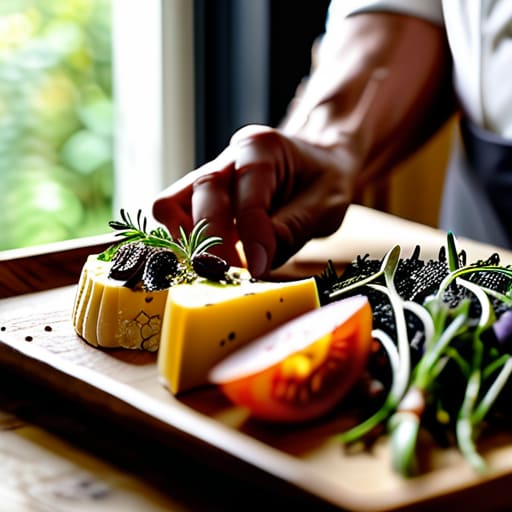
We’ve all been there—standing in a crowded kitchen, prepping fifty portions of something you actually love, only to realize it’s for a corporate banquet where no one notices the nuance of your seasoning. If you crave that personal connection, why not pivot to boutique micro-catering? I’m talking about intimate dinner parties, themed brunch spreads for birthdays, or even curated grazing tables for local boutiques. It’s about quality over quantity, allowing you to showcase your signature style without the soul-crushing volume of a commercial line.
Teach Your Way to Extra Income
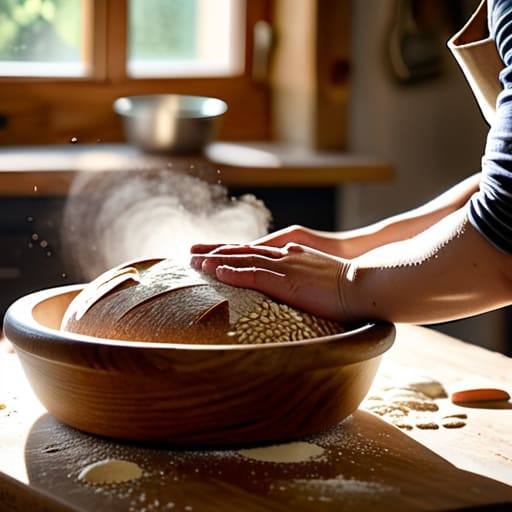
There is something incredibly healing about passing on culinary knowledge, and honestly, it’s one of the most rewarding ways to supplement your income. Whether it’s teaching a group of beginners how to properly dice an onion without losing a finger, or showing seasoned home cooks how to master sourdough, the demand for culinary education is skyrocketing. You can host small, cozy workshops in your own kitchen or even partner with a local community center to host hands-on cooking classes.
Curate Bespoke Meal Prep Services
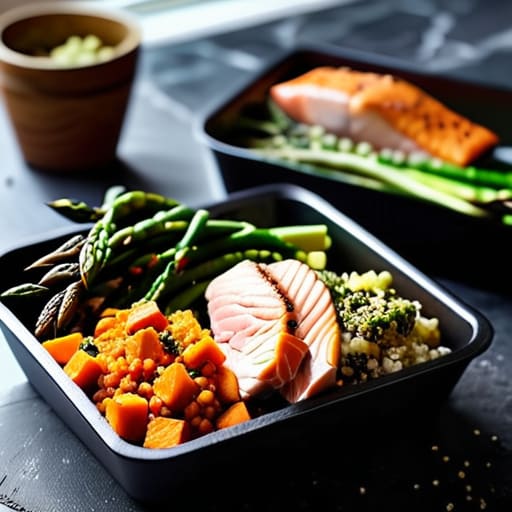
Let’s be real: most people are exhausted by the time 6:00 PM rolls around, and “What’s for dinner?” becomes the most stressful question of their day. This is where you come in as a specialized meal prep consultant. Instead of the generic, mass-produced containers you see at the grocery store, you can offer something much more thoughtful. Think nutrient-dense meals for busy professionals, or specialized menus for families navigating specific dietary restrictions.
Launch a Niche Food Product Line
Do you have a secret hot sauce recipe that makes your friends beg for more? Or perhaps a spice blend that you’ve spent months perfecting? If you have a product that people constantly ask for, it’s time to stop giving away free samples and start monetizing your creations. You don’t need to launch a global empire overnight; you can start small by selling artisanal jams, infused oils, or custom spice kits at local farmers’ markets.
Become a Culinary Content Creator
If you find yourself constantly taking photos of your plating or filming the sizzle of a pan, you might already be halfway to becoming a culinary influencer. We live in an era where people are hungry for authentic, beautiful food content. You can leverage platforms like Instagram, TikTok, or even a dedicated food blog to share your culinary adventures, kitchen hacks, and even the unfiltered reality of working in the industry.
Final Thoughts: Let's Get Cooking!
Don’t wait for the “perfect” moment to launch; start small with what you have in your kitchen right now and refine your craft as you go.
Remember that your unique culinary voice is your greatest asset—whether it’s a family recipe from Vermont or a street food hack, lean into what makes your flavor profile yours.
Prioritize balance so you don’t burn out; the goal is to build a career that nourishes your creativity without draining your energy.
Finding Your Flavor
“Don’t think of a side hustle as just another way to clock in; think of it as a way to season your life. Whether you’re teaching a cooking class or selling artisanal jams, you’re taking that spark of creativity and turning it into something that nourishes both your passion and your pocketbook.”
Amelia Johnson
From Prep Work to Profit
We’ve covered a lot of ground today, from the precision of private meal prepping to the creative freedom of launching a niche food blog or selling artisanal goods. Whether you’re leaning into your technical skills with specialized catering or sharing your expertise through digital consulting, the common thread is clear: your unique culinary voice is your most valuable asset. It’s not just about the recipes you know by heart; it’s about how you package that magic and present it to a world that is always hungry for something authentic and well-made.
If I could leave you with one piece of advice from my years in professional kitchens and consulting, it’s this: don’t wait for the “perfect” moment or a fully equipped commercial kitchen to start. Start small, start messy, and most importantly, start with something that makes your heart race. The transition from a passionate cook to a successful culinary entrepreneur is rarely a straight line, but I promise you, the journey is incredibly rewarding. You have the talent, the taste, and the drive—now it’s time to turn up the heat and show the world what you’ve got. You’ve got this!
Frequently Asked Questions
How do I balance these side hustles with a full-time kitchen job without burning out?
Listen, I’ve been in those trenches. I know exactly what it’s like to pull a double shift and then feel the pull of your own passion projects. The secret? Protect your peace. Don’t try to do everything every day. Pick two specific “side hustle days” a week and treat your rest like a non-negotiable ingredient. If you don’t schedule downtime, you’ll end up burnt out and bitter—and nobody wants a bitter chef!
Do I need to worry about getting specific food safety certifications or licenses before I start selling my creations?
Oh, I am so glad you asked! This is where the “business” side of things meets the “kitchen” side, and it’s super important. While I want you to jump in headfirst, you definitely don’t want to skip the legalities. Depending on where you live, you’ll likely need a food handler’s permit or a cottage food license. Think of it as protecting your passion (and your customers!). Check your local health department’s website first—it’s a total lifesaver.
What's the best way to price my services or products so I'm actually making a profit after all those ingredient costs?
Ugh, the “math part” of the kitchen—I know, it’s way less glamorous than a perfect soufflé! But listen, if you don’t price for profit, you’re just running an expensive hobby. My golden rule? Calculate your Food Cost Percentage first. Aim for your ingredients to be about 25-35% of your total price. Don’t forget to factor in your “invisible” costs like packaging, gas, and—most importantly—your actual time. You’re a pro, not a charity!


Amelia Johnson
I believe that food is not just sustenance but an expression of culture and creativity. Let’s explore how we can turn our culinary passions into rewarding careers that feed both our souls and our wallets.