
Cover Letter Tips That Make Hiring Managers Keep Reading
I still remember standing in a sweltering, high-pressure kitchen in Manhattan, staring at a stack of resumes that felt as bland and uninspired as a bowl of unseasoned risotto. I’d seen so many talented cooks get passed over simply because they treated their applications like a chore rather than a chance to shine. Most of the generic cover letter tips you find online today are about as helpful as a broken whisk—they tell you to be professional and formal, but they completely forget to tell you how to actually connect. If you’re just regurgitating your resume in paragraph form, you aren’t selling your talent; you’re just adding noise to a busy chef’s inbox.
I’m not here to give you a bunch of corporate fluff that sounds like it was written by a textbook. Instead, I’m going to share the real-world secrets I’ve gathered from both sides of the kitchen door to help you stand out. We’re going to treat your application like a signature dish: we’ll focus on the essential ingredients, balance your unique personality, and ensure you leave a lasting impression on every hiring manager you meet.
Table of Contents
Mastering the Professional Cover Letter Structure
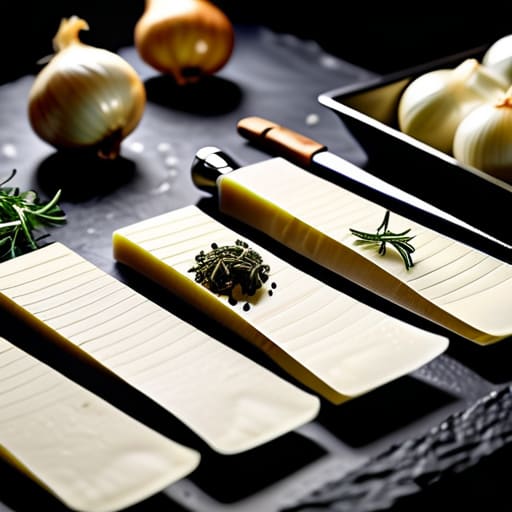
Think of your professional cover letter structure like a well-organized mise en place. Just as you wouldn’t start a dinner service with your onions still unpeeled, you shouldn’t dive into your career story without a clear, logical framework. Start with a clean header, follow with a crisp salutation, and then move into the “meat” of your message. You want to guide the hiring manager through your journey without making them hunt for the main course.
The real secret sauce lies in tailoring cover letters to job descriptions rather than using a generic template. I see so many talented cooks send out the same “one-size-fits-all” letter, and it’s like serving a heavy beef stew to a vegetarian—it just doesn’t land. Instead, look closely at the job posting and match your specific skills to the job requirements they’ve listed. If they need someone who can handle high-volume service with grace, don’t just say you’re a hard worker; tell them how you managed a 200-cover brunch rush without breaking a sweat. This level of precision shows you aren’t just looking for any job, but that you are the perfect ingredient for their specific kitchen.
Effective Cover Letter Opening Sentences That Sizzle

First impressions are everything—just like that first bite of a perfectly seared scallop. If your opening is bland, the hiring manager might lose interest before they even get to your experience. One of the most common cover letter mistakes to avoid is starting with a dry, robotic sentence like, “I am writing to apply for the position of…” Ugh, talk about a lack of seasoning! Instead, try to hook them immediately by connecting your personal culinary philosophy to the restaurant’s brand.
Think of effective cover letter opening sentences as the aromatic base of a great stock; they set the tone for everything that follows. If you’re applying to a farm-to-table bistro, lead with your passion for seasonal ingredients. If it’s a high-volume corporate catering firm, highlight your ability to thrive under pressure. The goal is to show, not just tell, that you aren’t just looking for any job, but that you are the specific ingredient their kitchen has been missing. By matching your unique energy to their specific needs right out of the gate, you ensure they’ll keep reading.
Five Secret Ingredients for a Cover Letter That Truly Pops
- Don’t just list your ingredients; tell your story. A resume is like a pantry list—it shows what you have—but your cover letter is the actual recipe. Instead of saying “I have five years of experience,” tell me about that time you managed a chaotic Saturday night rush without breaking a sweat. Show me the heat you can handle!
- Tailor your seasoning to the specific kitchen. Sending the same generic letter to a high-end Michelin-star bistro and a trendy street-food fusion spot is like putting heavy truffle oil on a delicate ceviche—it just doesn’t fit. Research the restaurant’s vibe and mirror their language so they know you actually get them.
- Focus on the “Flavor Profile” you bring to their team. Every restaurant has a gap in their kitchen, whether it’s a need for better organization, more creativity, or a steady hand on the line. Identify what that restaurant is missing and position yourself as the perfect spice to complete their existing blend.
- Keep it lean and mean—no unnecessary filler. Just like a good reduction, your cover letter should be concentrated and powerful. If a sentence doesn’t add flavor or provide crucial information, toss it out. You want to leave the hiring manager wanting more, not scrolling through a wall of text.
- Proofread like you’re checking a sauce for salt. A single typo in a cover letter is like finding a hair in a soufflé—it immediately ruins the experience and makes the chef look careless. Read your letter out loud to catch those awkward phrasing hiccups before you hit send.
The Secret Sauce: My Top 3 Takeaways for Your Cover Letter
Treat your cover letter like a signature dish; don’t just list the raw ingredients of your resume, but show the chef’s intuition and heart you bring to the kitchen.
Avoid the “bland seasoning” of generic templates—tailor every sentence to the specific restaurant or company so they can actually taste your personality through the page.
Keep your “plating” clean and professional; a cluttered, disorganized letter is just as off-putting as a messy station during a dinner rush.
The Secret Ingredient
“Think of your cover letter like a signature dish; don’t just list your ingredients like a grocery list, show them the heart, the heat, and the unique flavor you bring to the kitchen.”
Amelia Johnson
Serving Up Your Final Success

As we wrap up this kitchen tour, remember that a stellar cover letter is all about the balance of ingredients. We’ve talked about structuring your letter so it flows as smoothly as a well-made reduction, and we’ve explored how to craft an opening sentence that grabs a hiring manager’s attention faster than the smell of garlic hitting a hot pan. Don’t forget to infuse your unique personality into every line and ensure your professional experience is seasoned with specific, measurable achievements. Think of it as your personal signature dish; it needs to be polished, intentional, and most importantly, authentically you.
At the end of the day, landing your dream role in the culinary or food industry is about more than just checking boxes on a job description—it’s about showing the world your passion. I know the job hunt can sometimes feel like a grueling double shift in a high-pressure kitchen, but keep your head up and your knives sharp. You have a unique flavor that the world needs, and the right kitchen is waiting for someone with your exact blend of skill and heart. Now, go out there, cook up something amazing, and let your career soar!
Frequently Asked Questions
How do I keep my cover letter from sounding like a boring list of my resume's ingredients?
Think of your cover letter like a signature dish; don’t just list the ingredients, show the heart and flavor you bring to the kitchen. Your resume is the pantry—it’s where all the raw data lives. But the cover letter? That’s the cooking process. Instead of repeating that you “managed a team,” tell me how you turned a chaotic line into a synchronized ballet during a Saturday night rush. Show me the soul behind the skills!
Is it okay to show a little bit of my personality, or will that make me look unprofessional to a head chef?
Oh, I am so glad you asked this! Honestly? If you send a cover letter that reads like a sterile instruction manual, a Head Chef is going to yawn. They aren’t just hiring a set of hands; they’re hiring a person they have to stand in a hot, cramped kitchen with for twelve hours a day. Sprinkle in your passion and a hint of your unique culinary “flavor,” but keep it tasteful—don’t let the personality overpower the professional ingredients.
What should I do if I’m applying for a dream role but don't have a ton of formal kitchen experience yet?
Listen, I’ve been there—staring at a job description for a dream role and feeling like my resume is a bit underseasoned. If you’re short on formal kitchen hours, lean hard into your “flavor profile.” Highlight your passion, your relentless work ethic, and any transferable skills—like managing a chaotic rush in a cafe or mastering knife skills at home. Show them your hunger to learn; sometimes, a chef is looking for soul more than a long list of titles.


Amelia Johnson
I believe that food is not just sustenance but an expression of culture and creativity. Let’s explore how we can turn our culinary passions into rewarding careers that feed both our souls and our wallets.