
It’s Not Too Late: How to Change Careers at 50
I remember standing in the middle of a sweltering, high-pressure kitchen in Manhattan, the scent of burnt garlic and rosemary hanging heavy in the air, feeling absolutely hollow. I had the titles and the respect, but I realized I was just going through the motions, much like many people facing a career change at 50. People love to tell you that by this age, you should be “settled” or that you’ve already missed your window to pivot, but honestly? That is complete nonsense. They treat midlife like a closing time at a restaurant, when in reality, it’s more like the moment you finally master the recipe and are ready to truly own the kitchen.
I’m not here to give you some polished, corporate lecture on “rebranding your assets.” Instead, I’m going to share the raw, unfiltered truth about how to pivot without losing your shirt or your sanity. We’re going to dive into how you can take those decades of hard-earned wisdom and turn them into a second act that actually feeds your soul. Consider this my no-nonsense contract with you: no fluff, no empty hype, just real-world strategies to help you build a career that tastes as good as it looks on paper.
Table of Contents
- Sifting Through Your Transferable Skills for Midlife Career Change
- Upskilling for Professionals Over 50 Refining Your Craft
- The Secret Sauce: 5 Ways to Plate Up Your Midlife Career Pivot
- The Secret Sauce for Your Next Chapter
- The Secret Ingredient to a Second Act
- The Secret Ingredient is You
- Frequently Asked Questions
Sifting Through Your Transferable Skills for Midlife Career Change

Think of your career like a well-loved cast iron skillet; it’s seasoned, reliable, and carries more depth than anything brand new off the shelf. When we talk about transferable skills for midlife career change, I want you to stop looking at your resume as a list of old titles and start seeing it as a pantry of high-quality ingredients. You aren’t just “managing a team”; you are orchestrating complex workflows under pressure. You aren’t just “handling budgets”; you are practicing the precise resource management required to keep a kitchen—or a corporation—from sinking.
The trick is learning how to translate those “kitchen skills” into “boardroom language.” If you’ve spent years navigating the chaos of a dinner rush, you already possess the emotional intelligence and crisis management that most twenty-somethings are still trying to find. Don’t let anyone tell you that your experience is outdated. Instead, focus on how your seasoned perspective can solve modern problems. Whether you’re eyeing a consultancy role or starting a business after 50, your ability to see the big picture is your secret sauce.
Upskilling for Professionals Over 50 Refining Your Craft
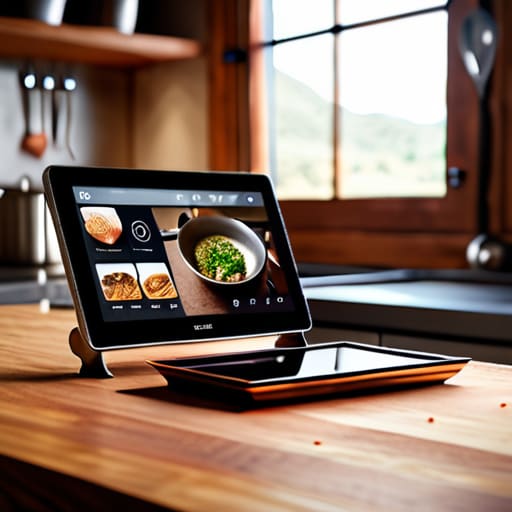
Now, let’s talk about the “secret sauce” that makes this transition work: leveling up. I know what you’re thinking—”Amelia, I’ve been doing this for decades, what is there left to learn?” But here’s the truth: the culinary landscape shifts faster than a boiling reduction. Upskilling for professionals over 50 isn’t about starting from scratch; it’s about adding modern tools to your seasoned toolkit. Whether it’s mastering new food safety technologies, diving into digital kitchen management software, or even learning the ropes of food photography for social media, these new skills act as a bridge between your deep experience and the modern market.
Think of it like refining a recipe you’ve made a thousand times. You aren’t changing the soul of the dish; you’re just perfecting the technique. If you’re looking to step away from the grueling line work, consider exploring remote work opportunities for mature professionals, such as food writing, recipe development, or even virtual consulting. By blending your decades of intuition with a few fresh, digital-age competencies, you don’t just stay relevant—you become indispensable.
The Secret Sauce: 5 Ways to Plate Up Your Midlife Career Pivot
- Don’t let ageism intimidate you; instead, lean into your “seasoned” status. In the culinary world, we know that a sauce that’s been simmering for hours is infinitely more complex and valuable than one thrown together in minutes. Your decades of life experience aren’t a liability—they are your depth of flavor. Use that maturity to position yourself as the steady hand in a high-pressure environment.
- Start building your digital pantry. Even if you’re more comfortable in a physical kitchen or a traditional office, the modern culinary and business worlds live online. Whether it’s a polished LinkedIn profile or a simple blog showcasing your expertise, having a digital presence is like having a well-stocked spice kit—it ensures you’re ready for any opportunity that comes your way.
- Network like you’re at a busy service. You wouldn’t try to run a line without communicating with the front of house, right? Career pivoting at 50 requires the same level of connection. Reach out to old colleagues, join professional culinary associations, or attend industry mixers. Most of the best “reservations” in your career will come from who you know and who trusts your craft.
- Embrace the “Mise en Place” mindset for your finances. A career change can feel like a leap of faith, but it’s much easier when your station is organized. Before you make the big move, get your financial prep work done. Build a little cushion so that when you transition from a steady paycheck to a new venture or a consulting gig, you aren’t sweating the small stuff.
- Be willing to taste everything. One of the biggest mistakes I see is people thinking they have to stick to one specific recipe for the rest of their lives. If you’ve been a head chef, maybe it’s time to try food styling, or perhaps recipe development or private consulting. Don’t be afraid to experiment with new roles; sometimes the most unexpected ingredients make the most incredible dishes.
The Secret Sauce for Your Next Chapter
Don’t underestimate the “seasoning” your years of experience provide; your ability to manage chaos, lead teams, and solve problems is just as vital in a new career as it is in a high-pressure kitchen.
Think of upskilling as refreshing your pantry—it’s not about starting from scratch, but about adding new, modern techniques to the incredible foundation you’ve already built.
Focus on finding a role that offers more than just a paycheck; look for the intersection where your seasoned expertise meets a passion that actually makes you excited to get out of bed in the morning.
The Secret Ingredient to a Second Act
“Think of age fifty not as a closing kitchen door, but as the moment you finally get to stop following someone else’s recipe and start composing your own signature dish.”
Amelia Johnson
The Secret Ingredient is You

Making a pivot at fifty isn’t about starting from scratch; it’s about finally having the right ingredients to make something spectacular. We’ve talked about how to audit those incredible transferable skills you’ve gathered over the decades and how to sharpen your edge through targeted upskilling. Whether you’re transitioning from a corporate boardroom to a boutique catering business or moving from teaching into food consultancy, the foundation is already there. It’s all about refining your recipe and ensuring your new career path is seasoned with both your expertise and your newfound freedom. Don’t let the fear of a “rebrand” hold you back—you aren’t losing your history, you’re simply leveraging your legacy.
I know it can feel a little daunting to step away from the familiar, much like walking into a high-pressure kitchen for the first time. But trust me, the most delicious dishes often come from the boldest combinations. You have a lifetime of wisdom, resilience, and flavor that a twenty-something simply hasn’t developed yet. This isn’t just a career change; it is your second act, and it has the potential to be even more rewarding than the first. So, grab your apron, trust your instincts, and go create something beautiful. The world is hungry for exactly what you have to offer.
Frequently Asked Questions
I’ve got the passion, but is it too late to go back to school or get a new certification without breaking the bank?
Oh, I hear you! That “is it too late?” feeling is so real, but let me tell you: it’s never too late to sharpen your knives. You don’t need a four-year degree to pivot. Look into specialized culinary workshops, online certifications, or even local community college courses. They’re much easier on the wallet and get you hands-on experience fast. Think of it as investing in your own recipe for success—small bites lead to big results!
How do I handle the "experience gap" on my resume so I don't look overqualified for entry-level roles but underprepared for management?
This is the classic “Goldilocks” dilemma, isn’t it? Too much experience and you’re “overqualified”; too little and you’re “unprepared.” Here’s my secret sauce: tailor your resume to the role, not your entire life story. For entry-level spots, focus on your passion and reliability rather than your years of leadership. For management, highlight your strategic wins. Think of your resume like a tasting menu—give them exactly what they’re hungry for in that moment.
What are some ways to transition into the food industry that don't involve the grueling 80-hour weeks of a traditional line cook?
Look, I’ve been in those trenches, and let’s be real: the 80-hour grind isn’t for everyone, especially when you’re looking for a second act. If you want to stay close to the flavor without the burnout, think about food styling, recipe development, or even private chef work. You could also pivot into food consulting or specialized catering. It’s all about leveraging your expertise to work smarter, not harder, while still keeping that culinary spark alive.


Amelia Johnson
I believe that food is not just sustenance but an expression of culture and creativity. Let’s explore how we can turn our culinary passions into rewarding careers that feed both our souls and our wallets.