Sewing Basics: Everything a Beginner Needs to Know
I still remember the frantic chaos of my first professional kitchen in NYC—the hiss of searing scallops, the relentless heat, and the sheer adrenaline of trying to make something beautiful under pressure. It’s funny, because even though my world usually revolves around flavor profiles and mise en place, I’ve realized that mastering sewing basics for beginners feels remarkably similar to mastering a mother sauce. There is a certain rhythmic, meditative magic in the way a needle pierces fabric, much like the precision of a chef’s knife hitting a cutting board, but let’s be real: the first time you try to thread a machine or navigate a seam, it can feel just as intimidating as a dinner rush during a holiday weekend.
I’m not here to sell you on some expensive, high-tech sewing setup or a hundred-step masterclass that leaves you feeling more overwhelmed than inspired. Instead, I’m offering you a straight-shooting, kitchen-tested approach to the craft. We are going to strip away the fluff and focus on the fundamental techniques that actually matter, so you can stop fearing the thread and start creating something soulful with your own two hands.
Table of Contents
- Curating Your Beginner Sewing Kit Essentials
- Navigating the Essential Sewing Machine Tools
- Mastering the Craft: My Top 5 Tips for Finding Your Sewing Rhythm
- Mastering the Fundamentals: Your Recipe for Sewing Success
- ## The Secret Ingredient in Every Stitch
- Stitching Your Way to Success
- Frequently Asked Questions
Curating Your Beginner Sewing Kit Essentials

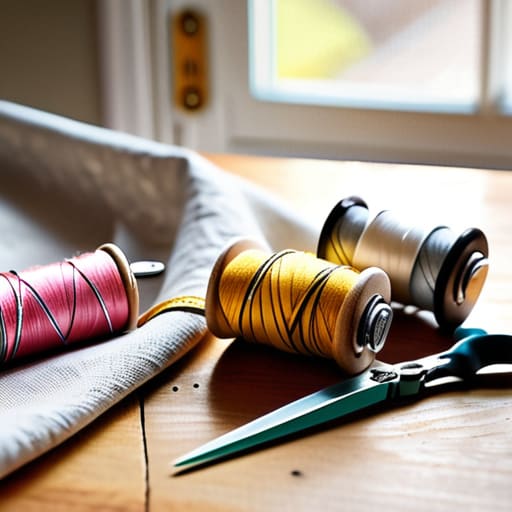
Think of gathering your supplies like prepping a mise en place before a busy dinner service; you wouldn’t dream of starting a complex reduction without your fine-mesh strainer and sharpest knife, right? When you’re building your beginner sewing kit essentials, you don’t need a mountain of expensive gadgets, just the right tools to get the job done. Start with a decent pair of fabric shears—and please, for the love of all things culinary, never use them on paper! You’ll also want a reliable seam ripper (we all make mistakes, even the pros), a handful of assorted pins, and a measuring tape that actually stays flexible.
Once you have your toolkit ready, it’s time to meet your new best friend: the sewing machine. It can feel a bit intimidating at first, almost like stepping into a high-pressure line for the first time, but don’t let it spook you. Mastering how to thread a sewing machine is the ultimate foundation; once you get that rhythm down, everything else starts to flow. Just remember to take it slow, keep your workspace organized, and treat your machine with the same respect you’d give a high-end convection oven.
Navigating the Essential Sewing Machine Tools

Now, let’s talk about the heart of your creative studio: the sewing machine itself. I know, I know—staring at all those dials and levers can feel a bit like stepping into a high-pressure line during a Saturday night rush at a bistro. It’s intimidating! But just like mastering a chef’s knife, once you understand your equipment, everything flows. When you’re first starting out, don’t feel pressured to buy the most expensive industrial model. Instead, focus on learning the essential sewing machine tools that come with your starter machine, like the presser foot and the bobbin winder.
One of the most common hurdles I see (and trust me, I’ve been there!) is the dreaded tension struggle. Before you dive into complex patterns, spend some quality time practicing how to thread a sewing machine until it becomes muscle memory. It’s the culinary equivalent of learning how to dice an onion perfectly; once you get the rhythm down, you can tackle the fancy stuff without breaking a sweat. If your machine starts acting up, don’t panic—most issues can be solved with a few quick sewing machine troubleshooting tips and a little patience.
Mastering the Craft: My Top 5 Tips for Finding Your Sewing Rhythm
- Embrace the “Mise en Place” Mentality: Just like in a professional kitchen, you can’t cook a five-star meal if your station is a mess. Before you even touch a needle, lay out your fabric, thread, and tools. Organizing your workspace ahead of time prevents that frantic “where did I put my seam ripper?” moment mid-stitch.
- Treat Your First Stitches Like a Tasting Spoon: Don’t expect perfection on your first pass. I always tell my clients that you wouldn’t serve a sauce without tasting it first—so treat your practice scraps the same way. Sew a few lines on leftover fabric to get a feel for your machine’s tension before committing to your actual project.
- Respect the Grain: In cooking, we talk about the direction of the fibers in meat; in sewing, it’s all about the grainline of the fabric. If you ignore how your fabric is woven, your beautiful garment might twist or hang wonky. Take a second to align your patterns correctly—your future self will thank you!
- Don’t Fear the Seam Ripper: This is the “unsung hero” of every sewing kit, much like a good chef’s knife. You are going to make mistakes—I certainly did back when I was learning my way around a heavy-duty industrial machine. A mistake isn’t a failure; it’s just an opportunity to unpick and try again with more wisdom.
- Start Small to Build Your Confidence: It’s tempting to dive straight into a beaded evening gown, but let’s be real—that’s the culinary equivalent of trying to master soufflés on day one. Start with something simple like a pillowcase or a tote bag. Nailing the basics on a small scale gives you the momentum to tackle the big, ambitious dreams later.
Mastering the Fundamentals: Your Recipe for Sewing Success
Think of your tools like a chef’s knife; you don’t need every gadget in the store, but you absolutely need high-quality essentials that you can trust when the pressure is on.
Don’t let a tangled thread or a skipped stitch discourage you; just like perfecting a delicate soufflé, sewing is a skill built through patience, repetition, and a little bit of trial and error.
Focus on mastering the foundational techniques first, because once you have the basics down, you’ll have the creative freedom to start “seasoning” your projects with your own unique, soulful style.
## The Secret Ingredient in Every Stitch
“Just like mastering a mother sauce in a busy kitchen, learning the basics of sewing isn’t about perfection on the first try—it’s about building a foundation of technique so that, eventually, your creativity can run wild without fear of the seams coming undone.”
Amelia Johnson
Stitching Your Way to Success

We’ve covered a lot of ground today, from assembling that first essential kit to understanding the rhythmic heartbeat of your sewing machine. Just like when I first stepped into a professional kitchen, it can feel overwhelming to look at all these new tools and wonder if you’re truly ready to create something beautiful. But remember, you don’t need a massive atelier to start; you just need the right foundation. By mastering these fundamental basics and keeping your workspace organized, you are setting the stage for much more than just mending clothes—you are building the technical skills necessary to turn a simple piece of fabric into something truly extraordinary.
As you move forward, please remember that every master tailor and designer started exactly where you are right now: with a single thread and a bit of nervous excitement. There will be tangled threads, crooked seams, and perhaps even a few frustrated sighs, but that is all part of the creative alchemy that happens when we learn something new. Don’t let a skipped stitch discourage you; instead, treat every mistake as a recipe adjustment that brings you closer to perfection. Go ahead, pick up that needle, and start stitching your own unique story into the world. I can’t wait to see what you create!
Frequently Asked Questions
I've got my kit and my machine, but how do I actually start practicing without feeling totally overwhelmed by the technical stuff?
Think of it like stepping into a busy kitchen for the first time—you wouldn’t start with a ten-course tasting menu! Start small. Grab some scrap fabric and practice straight lines and gentle curves. Don’t stress about the perfect stitch right away; focus on getting a feel for the machine’s rhythm. It’s all about muscle memory. Once you nail the basics, you’ll have the confidence to cook up something truly beautiful. You’ve got this!
Is it better to invest in a fancy sewing machine right away, or should I stick to a basic model while I'm still finding my rhythm?
Honestly, it’s like choosing your first professional chef’s knife—you don’t need a $500 Japanese Damascus steel blade to make a killer omelet! Stick to a reliable, mid-range basic model for now. You want something sturdy enough to handle your growing skills without the intimidating bells and whistles that you won’t use yet. Focus on mastering your rhythm first; once you’ve found your creative groove, then we can talk about upgrading your kit!
What are some easy, "low-stakes" projects I can tackle first to build my confidence before I try making something more complex?
Think of these first projects like learning to dice an onion—you want something low-pressure where a little mistake won’t ruin the whole feast! Start with simple fabric scraps to make reusable snack bags or basic drawstring pouches. They’re perfect for practicing straight seams without the stress of a complex pattern. Once you feel that “chef’s kiss” confidence with a few small wins, you’ll be ready to tackle the real masterpieces!


Amelia Johnson
I believe that food is not just sustenance but an expression of culture and creativity. Let’s explore how we can turn our culinary passions into rewarding careers that feed both our souls and our wallets.