Simple Ways to Cut Sugar From Your Meals
I still remember the frantic, sugar-fueled chaos of my first line cook job in Manhattan. It was 11:00 PM, the adrenaline was redlining, and I was surviving on nothing but espresso and those sickly-sweet, neon-colored energy drinks that tasted more like chemicals than fuel. Back then, I thought that sugar rush was my best friend, but it was actually just a liar that left me crashing harder than a dropped soufflé. Most people think that learning how to reduce sugar in your diet means swapping delicious treats for bland, cardboard-tasting “health foods,” but that is a complete culinary crime.
I’m not here to sell you on expensive, processed “sugar-free” snacks that leave you feeling unsatisfied and grumpy. Instead, I want to show you how to reclaim your palate by leaning into the vibrant, complex flavors that real ingredients actually offer. We are going to dive into practical, chef-tested strategies to cut the sweetness without losing the soul of your meals. My promise to you is simple: we’ll focus on flavor-first techniques that make reducing sugar feel less like a restriction and more like a culinary upgrade.
Table of Contents
Unmasking the Hidden Sugars in Processed Foods
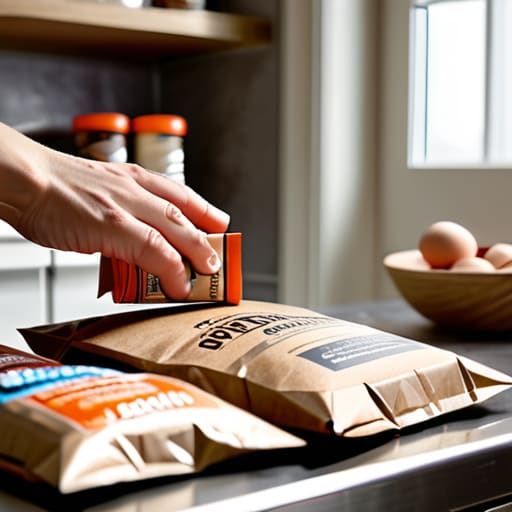
If you think you’re avoiding sweets by skipping dessert, I have a little reality check for you: the real culprits are often hiding in plain sight. During my years in professional kitchens, I saw firsthand how manufacturers use sugar to enhance texture and shelf life, often disguising it under a dozen different aliases. We’re talking about high fructose corn syrup, maltodextrin, or even “natural” sounding labels like agave nectar. To truly master your nutrition, you have to get comfortable with reading nutrition labels for sugar like a detective on a mission. If you see a long list of ingredients that sound more like a chemistry experiment than a pantry, you’re likely looking at a sugar trap.
It’s honestly a bit sneaky how a “healthy” granola bar or a savory pasta sauce can pack more sweetness than a frosted cupcake. This constant influx of glucose is often what triggers those relentless afternoon energy crashes. By learning to spot these hidden sugars in processed foods, you aren’t just dieting; you’re reclaiming control over your energy levels and your taste buds. Once you strip away the processed fluff, you’ll find that real, whole ingredients have a complexity that refined sugar simply can’t mimic.
Mastering the Art of Reading Nutrition Labels for Sugar
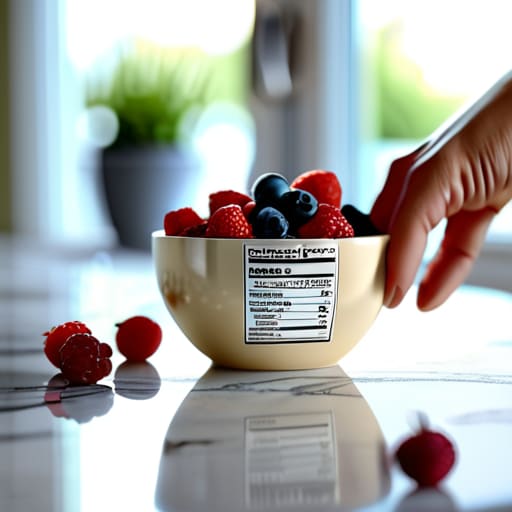
Now, I know what you’re thinking—staring at those tiny, cramped numbers on a back label feels more like a chemistry exam than a trip to the grocery store. But trust me, once you learn the lingo, it becomes second nature. When you’re reading nutrition labels for sugar, don’t just hunt for the word “sugar.” The industry loves to play hide-and-seek with different names like maltodextrin, high fructose corn syrup, or agave nectar. I always tell my clients to look at the total carbohydrate count and then scan that ingredient list for anything ending in “-ose.” If a sweetener is in the first three ingredients, it’s basically the star of the show, and not in a good way.
Think of it like a recipe: if the sugar is at the top, the dish is built around it. By mastering this skill, you’ll find yourself much better at reducing sugar cravings because you’ll stop accidentally fueling them with “healthy” looking snacks. It’s all about being an intentional consumer rather than a passive one. Once you start spotting these patterns, you’ll feel so much more empowered in the kitchen and at the market.
Reclaiming Your Palate: 5 Chef-Approved Ways to Slash the Sugar
- Embrace the Power of Whole Ingredients. When we cook from scratch using fresh produce, proteins, and grains, we aren’t just avoiding sugar; we’re inviting real, complex flavors to the party. Think of a ripe, juicy peach instead of a canned one in syrup—the difference in soul and texture is night and day.
- Level Up Your Spice Game. One of my favorite tricks from my little travel spice kit is using aromatics to trick the brain. Cinnamon, nutmeg, and cardamom can provide a “perceived sweetness” without a single gram of refined sugar. It’s like a delicious little culinary illusion.
- Master the Art of Flavor Balancing. In professional kitchens, we balance acidity, fat, and salt. If a dish feels like it’s “missing something” and your first instinct is to reach for sugar, try a squeeze of fresh lime or a splash of high-quality balsamic vinegar instead. Acid brightens flavors in a way sugar never can.
- Rethink Your Liquid Gold. It’s so easy to sip on sugar through lattes and sodas without even realizing it. I love experimenting with sparkling water infused with fresh herbs like mint or basil. It feels fancy, tastes refreshing, and keeps your energy levels from crashing mid-afternoon.
- Don’t Fear Healthy Fats. Often, we crave sugar because our bodies are actually hunting for satiety. Incorporating healthy fats—like creamy avocado, toasted nuts, or a drizzle of good olive oil—helps you feel satisfied and full, which naturally quiets those intense sugar cravings.
Small Shifts for a Flavorful Life
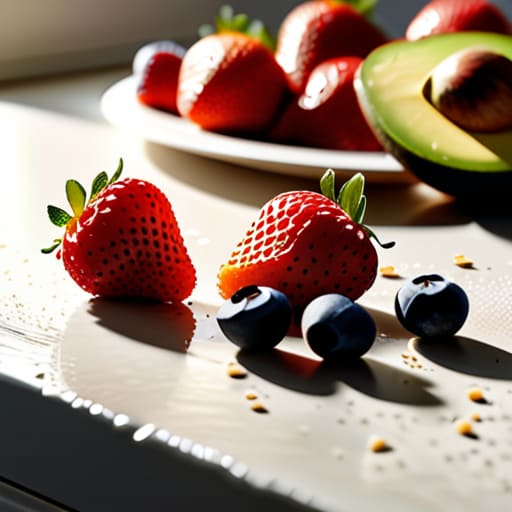
Don’t aim for perfection; instead, focus on swapping out highly processed sweeteners for whole-food alternatives like fresh berries or a touch of cinnamon to keep your palate excited.
Treat your kitchen like a professional station by prepping more meals from scratch, which gives you total control over every single gram of sugar that hits your plate.
Reframe your mindset from “cutting things out” to “adding real flavor in,” allowing you to rediscover the nuanced, vibrant tastes of ingredients that sugar usually masks.
Reclaiming the True Essence of Flavor
Cutting back on sugar isn’t about stripping the joy out of your meals; it’s about clearing away the noise so you can finally hear the beautiful, complex melody of the actual ingredients.
Amelia Johnson
Reclaiming Your Culinary Compass
Cutting back on sugar isn’t about following a restrictive, joyless regime; it’s about becoming a more intentional chef in your own kitchen. We’ve talked about unmasking those sneaky, hidden sweeteners tucked away in processed aisles and how to become a pro at decoding nutrition labels like a seasoned sous chef. By identifying where the “fake” sweetness hides and choosing whole, vibrant ingredients instead, you aren’t just losing the sugar—you are gaining control over your health and your palate. It’s about moving away from the chemical sweetness that numbs our taste buds and moving toward a way of eating that actually celebrates the natural complexity of real food.
As you embark on this journey, please remember to be kind to yourself. I’ve been in those high-pressure kitchens where a quick sugar hit feels like the only way to survive a shift, so I know how tough these habits can be to break. Don’t aim for perfection; aim for progress and flavor. Every time you choose a burst of fresh berries over a processed candy bar, or season a dish with a pinch of sea salt and citrus instead of a heavy glaze, you are investing in a more sustainable version of yourself. You have the tools, the passion, and the power to fuel your life with food that truly nourishes your soul.
Frequently Asked Questions
If I'm cutting back on sugar, what are some chef-approved ways to add depth and flavor to my cooking without relying on sweetness?
Think of it like this: when we lose sugar, we aren’t losing flavor; we’re just shifting the spotlight. I always tell my clients to lean hard into acidity and umami. A bright squeeze of lime or a splash of high-quality sherry vinegar can wake up a dish just like sugar does. Don’t sleep on toasted spices or fermented ingredients like miso—they add that incredible, lingering depth that makes your palate feel totally satisfied.
How can I manage those inevitable sugar cravings when I'm transitioning to a lower-sugar lifestyle?
Listen, I’ve been there—standing in front of the pantry at 10 PM, eyeing the cookies like they’re long-lost friends. When those cravings hit, don’t fight them with willpower alone; fight them with flavor. Reach for something with bright acidity or healthy fats, like a handful of salted almonds or some tart berries. It’s about satisfying your palate’s need for intensity without the sugar crash. Think of it as recalibrating your senses, not punishing them.
Are there specific "healthy" sweeteners that are actually better for my palate and my body, or should I aim to avoid them altogether?
Navigating the “sweetener aisle” can feel like a culinary minefield! Honestly, I’m a big believer in real ingredients. Instead of reaching for processed “diet” sweeteners that often leave a weird aftertaste, I love using things like pure maple syrup or raw honey. They offer complex, soulful flavors that actually satisfy your palate. If you’re looking to cut back, focus on using high-quality, natural options in moderation—it’s about quality over quantity, always.


Amelia Johnson
I believe that food is not just sustenance but an expression of culture and creativity. Let’s explore how we can turn our culinary passions into rewarding careers that feed both our souls and our wallets.