How to Make a Small Room Look and Feel Bigger
I remember my first tiny apartment in Manhattan, a space so cramped I felt like I was living inside a walk-in pantry. I spent a fortune on “miracle” furniture and designer organizers, thinking that if I just bought the right expensive gadgets, I’d finally solve my spatial woes. But let me tell you, most of those high-end solutions are just expensive fluff that actually end up cluttering your life even more. If you’re currently staring at your walls feeling like they’re closing in, you don’t need a massive renovation budget; you just need to understand how to make a small room look bigger by using the same principles of balance and layering I use when plating a delicate dish.
I’m not here to sell you on some magical, overnight transformation or a shopping spree you can’t afford. Instead, I’m going to share the no-nonsense, chef-inspired strategies I’ve learned from years of navigating tight kitchen lines and tiny studio living. We’re going to talk about light, visual flow, and intentionality—the real ingredients you need to turn a cramped corner into a sanctuary that feels both spacious and soulful. Let’s get to work.
Table of Contents
- A Light Color Palette Interior Design for Airy Ambience
- Maximizing Small Space Layout With Artistic Intent
- The Secret Sauce: 5 Pro-Tips for Serving Up a Sense of Space
- The Chef’s Secret to a Perfectly Balanced Space
- ## The Art of the Plate and the Room
- Savoring Your New Space
- Frequently Asked Questions
A Light Color Palette Interior Design for Airy Ambience

Think of your color scheme like a delicate consommé: if it’s too heavy or dark, it weighs down the entire experience. When I was working in those cramped, high-pressure kitchens in NYC, I learned that visual weight is everything. If you crowd a space with deep, moody tones, it feels like a heavy reduction that’s been simmering too long. Instead, leaning into a light color palette interior design acts like a splash of bright acidity, lifting the mood and making the walls feel like they’re breathing.
I love using soft whites, creamy vanillas, or even very pale sage to create a sense of openness. The trick is to keep the hues consistent to avoid breaking up the visual flow. By minimizing visual clutter and sticking to a cohesive, airy spectrum, you trick the eye into seeing more depth than actually exists. It’s all about creating a seamless backdrop that allows your personality—and your favorite decor pieces—to really shine without feeling like the room is closing in on you.
Maximizing Small Space Layout With Artistic Intent

Think of your room’s layout like a perfectly composed plate: if you crowd it with too many heavy elements, the “flavor” of the space gets lost. When I was working in those cramped, high-pressure NYC kitchens, we had to be masters of efficiency, and you can apply that same logic to your home. Instead of pushing everything against the walls, try maximizing small space layout by creating intentional pathways. It’s about flow. If you can move through a room without doing a rhythmic dance around a coffee table, you’ve already won half the battle.
To keep things feeling breezy rather than boxed in, I’m a huge advocate for multifunctional furniture for tiny apartments. Think of a sleek ottoman that doubles as storage or a dining table that tucks away when you aren’t hosting a dinner party. By choosing pieces that pull double duty, you’re effectively minimizing visual clutter, which is the ultimate secret ingredient to an airy atmosphere. It’s not about having less; it’s about making sure everything you own has a purposeful, beautiful reason to be there.
The Secret Sauce: 5 Pro-Tips for Serving Up a Sense of Space
- Think of your mirrors like a perfectly placed garnish; they don’t just look pretty, they add depth. Placing a large mirror opposite a window is like adding a splash of acid to a heavy sauce—it brightens everything up and instantly doubles the visual “flavor” of the room.
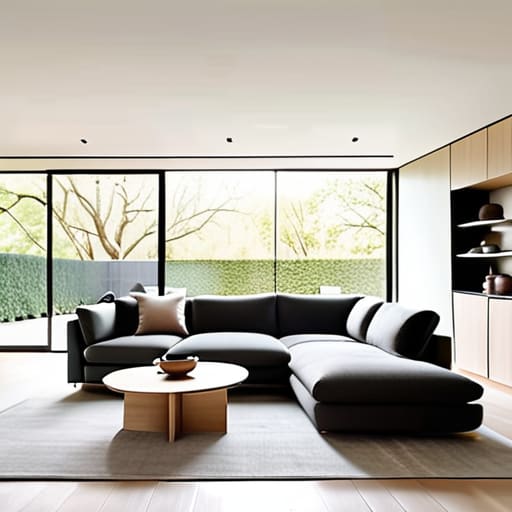
- Don’t let your furniture crowd the perimeter like a disorganized prep station. Instead of pushing everything against the walls, try pulling a few pieces inward or choosing items with “legs.” Seeing the floor continue underneath your sofa or armchair creates a sense of flow that keeps the room from feeling cramped.
- Verticality is your best friend when your square footage is limited. If you can’t expand outward, go up! Think of it like building a multi-layered Napoleon; use tall bookshelves or hanging planters to draw the eye toward the ceiling, making the whole space feel much loftier than it actually is.
- Declutter with intention, because a messy countertop ruins even the best meal. In a small room, “visual noise” is the enemy. Use beautiful baskets or chic storage containers to tuck away the chaos, ensuring that only the pieces that truly serve a purpose (or feed your soul) are on display.
- Let the light in! Just like a dish needs the right temperature to shine, a room needs natural light to breathe. Avoid heavy, dark drapery that swallows the sun; instead, opt for sheer fabrics that allow sunlight to dance through, making the entire area feel airy and effortless.
The Chef’s Secret to a Perfectly Balanced Space
Treat your layout like a signature recipe: don’t overcrowd the plate. By choosing multifunctional pieces, you ensure every “ingredient” in your room serves a purpose without cluttering the experience.
Use light and reflection to create depth, much like how a bright citrus zest can lift a heavy sauce. Mirrors and airy tones act as your culinary seasoning, making a cramped area feel bright and expansive.
Focus on intentionality over quantity. Just as I wouldn’t dump an entire spice kit into one dish, don’t try to cram every piece of furniture into a room—select a few high-quality, impactful pieces that let your space breathe.
## The Art of the Plate and the Room
“Designing a small space is a lot like plating a gourmet dish: you aren’t just trying to fill the plate, you’re learning how to use negative space to let the star ingredients truly breathe.”
Amelia Johnson
Savoring Your New Space

At the end of the day, making a small room feel expansive is a lot like perfecting a delicate soufflé—it requires the right balance of ingredients and a whole lot of intentionality. We’ve talked about how a light, breezy color palette can act as the perfect seasoning to brighten your mood, and how arranging your furniture with an artistic eye ensures that every square inch serves a purpose rather than just adding clutter. By focusing on strategic layouts and a cohesive aesthetic, you aren’t just moving furniture around; you are curating an environment that breathes and flows, much like a well-organized professional kitchen.
As you step back to look at your transformed sanctuary, remember that your home should be a reflection of your creativity, not a limitation of your square footage. Don’t let a lack of space dampen your appetite for life or your desire to host beautiful, soulful gatherings. Whether you’re tucked into a cozy reading nook or prepping a feast in a compact kitchen, your space is yours to define. Trust your instincts, embrace the art of minimalism, and most importantly, make room for what truly matters. You have the tools to turn even the tiniest corner into a masterpiece of comfort and style.
Frequently Asked Questions
Can I still use bold, moody colors without making my tiny space feel like a cramped pantry?
Oh, absolutely! Think of it like a reduction sauce: you don’t need a giant pot to pack a massive punch of flavor. You can totally embrace those deep, moody tones without feeling like you’re trapped in a walk-in freezer. My trick? Use color strategically. Pick one “hero” wall for a dramatic statement, or use dark hues on the ceiling to create unexpected depth. It’s all about balance—pair those rich colors with light textures to keep the energy flowing.
How do I choose furniture that feels substantial but doesn't swallow up all my floor space?
Think of your furniture like a perfectly balanced recipe: you want flavor, but you don’t want one ingredient to overpower the entire palate. Instead of heavy, chunky pieces that act like a thick gravy, opt for furniture with “legs.” Seeing the floor flow underneath a mid-century modern sofa or a slender console table creates visual breathing room. It gives the piece presence without making your room feel like it’s being swallowed whole!
Are there specific lighting tricks that can help mimic the natural glow of a large, airy kitchen or living area?
Oh, absolutely! Think of lighting like the perfect seasoning—it can completely transform the “flavor” of a room. To mimic that breezy, open-concept glow, ditch the single overhead light that creates harsh shadows. Instead, layer your light! Use warm LED strips under cabinets to create depth, and place floor lamps in corners to push the boundaries of the room outward. It’s all about creating soft, diffused layers that make the space feel expansive and inviting.


Amelia Johnson
I believe that food is not just sustenance but an expression of culture and creativity. Let’s explore how we can turn our culinary passions into rewarding careers that feed both our souls and our wallets.