How to Season Food Like a Real Cook
I still remember standing in a sweltering, high-pressure kitchen in Manhattan, staring at a plate of perfectly seared scallops that somehow tasted like absolutely nothing. I had followed every technical rule in the book, yet the dish lacked that unmistakable spark that makes a diner close their eyes in delight. It was a humbling lesson: you can have the most expensive ingredients in the world, but if you don’t truly understand how to season food, you’re just heating up expensive groceries. I realized then that seasoning isn’t some secret ritual reserved for Michelin-starred chefs; it’s the fundamental heartbeat of every single dish you’ll ever create.
I’m not here to sell you on a twenty-step spice regimen or a collection of overpriced truffle salts that do more harm than good. Instead, I want to pull back the curtain and share the real-world mechanics of flavor. We’re going to dive into the intuitive art of balancing salt, acid, and heat so you can stop following recipes blindly and start cooking with confidence. My goal is to help you master the core principles of seasoning, turning your kitchen from a place of guesswork into a sanctuary of creativity.
Table of Contents
Building Your Essential Spice Cabinet Staples
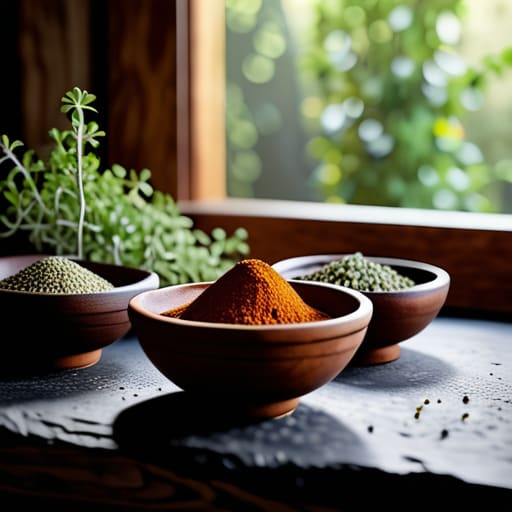
Think of your spice cabinet as your culinary toolkit; you don’t need every single jar on the market, but you definitely need the heavy hitters. When I first started my professional journey, I thought a massive collection was the key to success, but I quickly learned that mastering a few essential spice cabinet staples is much more effective. Start with the basics that provide depth: smoked paprika for warmth, cumin for earthiness, and high-quality dried herbs like oregano or thyme. These aren’t just additives; they are the building blocks that allow you to start enhancing natural food flavors without overwhelming the main ingredient.
Once you have your foundation, it’s all about understanding how to layer those flavors. For anyone just starting out, I highly recommend experimenting with flavor profiles for beginners—think Mediterranean with lemon and oregano, or earthy Middle Eastern with cumin and coriander. The real magic happens when you realize that seasoning is a dynamic process. It’s not just about throwing things in at the start; it’s about knowing when to add seasonings to ensure the aromatics don’t burn and the subtle notes actually shine through.
Flavor Profiles for Beginners Finding Your Creative Voice
Once you’ve got those essential spice cabinet staples tucked away in your pantry, the real magic begins: finding your own rhythm. Think of flavor profiles for beginners not as a rigid set of rules, but as a musical scale. You wouldn’t play a song with just one note, right? The same goes for your cooking. You want to move beyond just “salty” or “spicy” and start thinking about how different elements dance together. I always tell my clients that the goal is enhancing natural food flavors rather than masking them under a heavy shroud of powder.
The secret sauce—or should I say, the secret technique—is mastering the art of balancing salt and acid. If a dish feels heavy or “flat,” don’t just reach for more salt; try a squeeze of lime or a splash of vinegar. That brightness acts like a spotlight, pulling the hidden nuances of your ingredients out of the shadows. It’s a bit like my little spice kit in my purse; sometimes, all a dish needs is one tiny, bright adjustment to turn a mediocre meal into something truly soulful.
My Secret Sauce: 5 Pro Tips to Level Up Your Seasoning Game
- Taste as you go, not just at the end. I can’t stress this enough! If you wait until the dish is plated to realize it’s bland, you’re playing catch-up. Keep a clean spoon handy and sample your progress at every stage—from the initial sauté to the final simmer. It’s the only way to truly understand how the flavors are evolving.
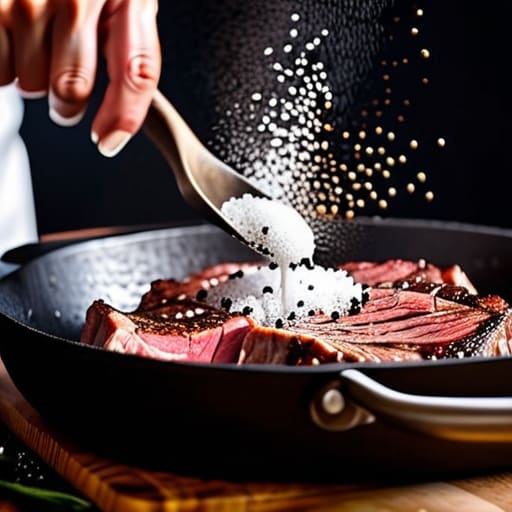
- Respect the “Salt Timing.” Salt isn’t just a finishing touch; it’s a transformative tool. If you’re seasoning a tough cut of meat, salt it early to help break down those proteins. If you’re making a delicate sauce, save the salt for the very end so you don’t accidentally overdo it as the liquid reduces.
- Don’t fear the acid. Sometimes, when a dish feels “heavy” or “flat,” your instinct is to reach for more salt. Stop right there! Most of the time, what you actually need is a squeeze of lemon juice or a splash of bright vinegar. Acid acts like a spotlight, cutting through fat and making all those other flavors pop.
- Layer your spices for depth. Think of seasoning like building a song; you need a bassline, a melody, and a little bit of rhythm. Start with your heavy hitters like garlic or onion powder, move into your aromatic spices like cumin or coriander, and finish with those high notes like fresh herbs or a pinch of smoked paprika.
- Use fresh herbs strategically. There is a world of difference between dried oregano and fresh basil plucked straight from the garden. As a rule of thumb, use dried herbs early in the cooking process so they have time to rehydrate and release their oils, but save your fresh, delicate herbs for the final minute to keep their vibrant color and punchy aroma intact.
Mastering the Rhythm of Flavor
Think of seasoning as a journey rather than a destination; it’s about layering flavors step-by-step—from the foundational salt to those bright, finishing notes—to build a dish with real depth.
Don’t be afraid to trust your palate over a recipe; the best way to learn is to taste as you go, adjusting the acidity or heat until the dish truly sings to you.
Build your confidence by experimenting with your spice kit and pantry staples, remembering that there are no “wrong” combinations, only new stories waiting to be told through your cooking.
The Secret Ingredient is Intent
Seasoning isn’t just a step in a recipe; it’s a conversation between you and your ingredients. It’s about learning when to whisper with a pinch of delicate herbs and when to shout with a bold splash of spice to truly bring a dish to life.
Amelia Johnson
Bringing the Flavor Home
As we wrap up our deep dive into the art of seasoning, remember that it’s not about following a rigid set of rules, but about understanding the rhythm of flavor. We’ve talked about building a reliable foundation with your essential spice cabinet, and we’ve explored how different flavor profiles can help you find your unique culinary voice. Whether you are layering acidity to cut through richness or using heat to add a bit of excitement, the goal is to move beyond mere salt and pepper. Mastering these techniques is what transforms a dish from “fine” to absolutely unforgettable, turning every meal into a deliberate act of creation rather than just a task on your to-do list.
At the end of the day, I want you to remember that your kitchen is your playground and your palate is your most important tool. Don’t be afraid to make a mistake—sometimes a little too much cumin or an unexpected splash of vinegar leads to your new favorite signature dish. Cooking is a lifelong journey of discovery, and seasoning is the language you use to tell your story. So, grab your spices, trust your instincts, and cook with intention. You have everything you need to create something truly magical, and I can’t wait to see how you make these flavors your own!
Frequently Asked Questions
When exactly should I add my spices—at the beginning of the cooking process or right at the end to keep the flavors bright?
It’s a bit of a dance! Think of it as layering. I love adding whole spices or dried aromatics early on—like blooming cumin in hot oil—to build that deep, foundational soul. But if you want those vibrant, punchy notes to really sing, save your delicate dried herbs or finishing salts for the very end. It’s all about that balance between building depth and keeping those bright, high notes alive!
How do I know if I've gone too far with the seasoning, and is there a way to actually rescue a dish that's become too salty or spicy?
We’ve all been there—that moment of panic when you take a spoonful and realize you’ve gone rogue with the chili flakes or the salt shaker. If it’s too salty, try adding an acid like lemon juice or a splash of cream to balance it out. If the heat is punishing, a dollop of yogurt or a bit of honey can work wonders. Just remember: taste as you go! It’s better to under-season and adjust than to overshoot.
Is it better to use pre-mixed seasoning blends for consistency, or should I always stick to individual spices to maintain control over the flavor?
Honestly, it’s all about balance! If you’re in a rush or prepping a massive batch for a catering gig, those pre-mixed blends are absolute lifesavers for consistency. But if you want to truly own your dish? Stick to individual spices. Using single ingredients gives you the power to tweak the salt, heat, or acidity on the fly. Think of blends as a great foundation, but individual spices are where the real magic—and your signature touch—happens.


Amelia Johnson
I believe that food is not just sustenance but an expression of culture and creativity. Let’s explore how we can turn our culinary passions into rewarding careers that feed both our souls and our wallets.