How to Stock a Kitchen That Makes Eating Well Easy
I still remember the chaos of my first professional kitchen in NYC—the relentless heat, the shouting, and that overwhelming feeling that if I didn’t have every exotic, expensive superfood on hand, I was failing. But here’s the truth that most “wellness gurus” won’t tell you: you don’t need a thousand-dollar grocery bill or a pantry full of obscure powders to thrive. Most of the advice you see online about how to stock a healthy kitchen is just expensive noise designed to make you feel like you’re doing it wrong. Real culinary magic—and real health—doesn’t come from a designer pantry; it comes from intentionality and simplicity.
I’m not here to sell you on a lifestyle you can’t afford or a regimen that feels like a chore. Instead, I want to share the actual, battle-tested strategies I use to build a kitchen that works for me, whether I’m consulting for a high-end restaurant or cooking a quick Tuesday night dinner at home. We are going to strip away the fluff and focus on the foundational essentials that fuel your body and spark your creativity. Consider this your no-nonsense roadmap to creating a space that actually feeds your soul without breaking your budget.
Table of Contents
- Designing Your Nutrient Dense Food Shopping Guide
- Building a Foundation of Whole Food Pantry Staples
- My Pro-Tips for a Kitchen That Works as Hard as You Do
- My Golden Rules for a Kitchen That Works for You
- The Soul of Your Pantry
- From Pantry to Plate: Your Culinary Journey Begins
- Frequently Asked Questions
Designing Your Nutrient Dense Food Shopping Guide
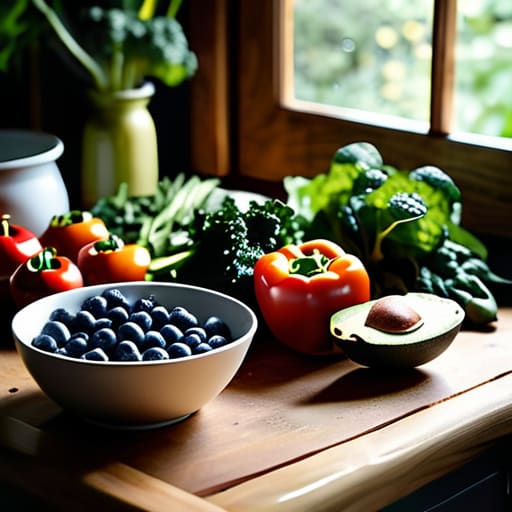
Think of your shopping trip not as a chore, but as a scouting mission for your culinary future. To avoid that mid-week “what am I even eating?” panic, you need a solid nutrient dense food shopping guide that prioritizes quality over convenience. Instead of wandering aimlessly through the aisles, I always recommend anchoring your cart with a foundation of colorful produce and lean proteins. When I was running high-pressure kitchens in NYC, we lived and died by our prep lists; applying that same discipline to your personal grocery run ensures you aren’t just buying food, you’re investing in your energy levels.
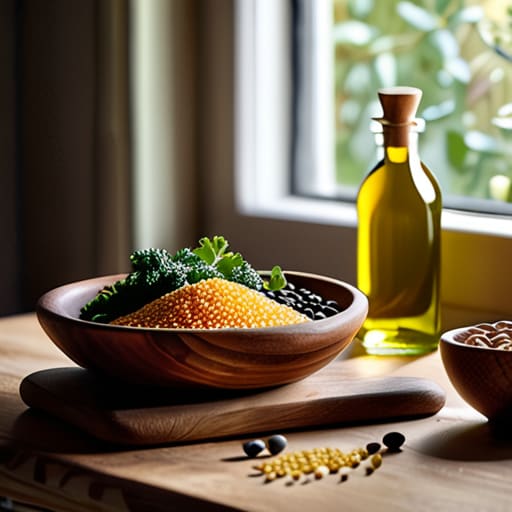
The secret sauce to a sustainable kitchen lies in your whole food pantry staples. I’m talking about those versatile lifesavers like quinoa, lentils, canned chickpeas, and high-quality olive oil that can transform a handful of wilted greens into a five-star meal. If you focus on building a collection of these versatile building blocks, you’ll find that meal prepping with healthy ingredients becomes second nature rather than a weekend-long struggle. It’s all about having the right tools in your arsenal so that when inspiration strikes, you’re actually ready to cook.
Building a Foundation of Whole Food Pantry Staples
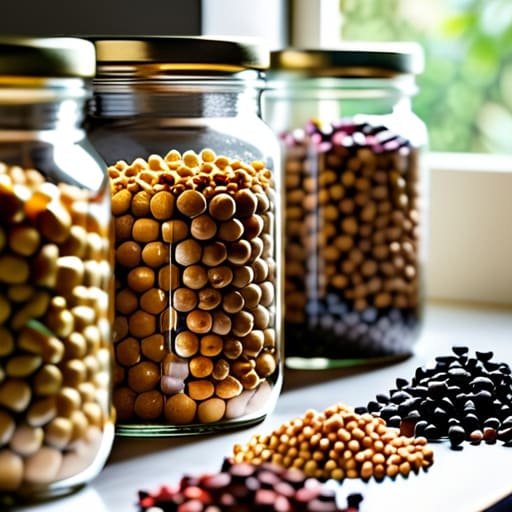
Think of your pantry as the engine room of your kitchen; if it’s running on high-quality fuel, your entire cooking process becomes smoother and more intuitive. Instead of chasing fleeting food trends, I always tell my clients to focus on whole food pantry staples that offer longevity and versatility. I’m talking about the heavy hitters: organic quinoa, hearty lentils, canned chickpeas, and a variety of nuts and seeds. These aren’t just fillers; they are the building blocks that allow you to whip up a protein-packed meal even when the fridge looks a little bare.
When you’re building this foundation, the goal is to minimize decision fatigue. By keeping a consistent stock of complex carbohydrates and healthy fats, you’re essentially setting yourself up for success before you even turn on the stove. This approach is a total game-changer for meal prepping with healthy ingredients, as it allows you to layer flavors and textures without constantly running to the store. Pro tip: keep a few high-quality oils and vinegars on hand to elevate these simple staples into something truly restaurant-quality.
My Pro-Tips for a Kitchen That Works as Hard as You Do
- Shop the perimeter first. Just like a well-run line during a dinner rush, the most important, fresh ingredients—your produce, proteins, and dairy—usually live on the outer edges of the grocery store. If you spend most of your time in the middle aisles, you’re likely walking straight into a trap of ultra-processed stuff.
- Embrace the power of the freezer. Don’t let a beautiful bag of spinach or a batch of berries go to waste just because you had a hectic week. A well-stocked freezer is your secret weapon for quick, nutrient-dense smoothies or sautéed greens when you’re too exhausted to hit the farmer’s market.
- Curate a “Flavor Toolkit.” A healthy kitchen shouldn’t taste bland! Stock up on high-quality vinegars, fermented hot sauces, and a variety of dried herbs. This allows you to add massive amounts of character and depth to your meals without relying on heavy creams or excessive salt.
- Think in “Meal Components,” not just recipes. Instead of buying ingredients for one specific dish, stock up on versatile building blocks—like a big bag of quinoa, some roasted chickpeas, or a jar of tahini. This way, you can pivot your dinner plans on a whim based on whatever energy you have left at 7:00 PM.
- Keep your “Emergency Healthy” options on hand. We’ve all been there—it’s late, you’re starving, and the temptation to order greasy takeout is real. Keep canned wild-caught tuna, lentils, or high-quality nut butters in the pantry so you can whip up a nourishing meal in under ten minutes.
My Golden Rules for a Kitchen That Works for You
Treat your pantry like a professional mise en place; by stocking versatile, whole-food staples first, you’re not just buying groceries—you’re prepping yourself for effortless, creative cooking even on your busiest weeknights.
Focus on quality over sheer quantity by curating a shopping list centered around nutrient-dense, vibrant ingredients that fuel your body and spark your culinary curiosity.
Remember that a healthy kitchen is a sustainable one; build a foundation that balances nutritional needs with your actual lifestyle so that eating well feels like a joy rather than a chore.
The Soul of Your Pantry
“Think of your kitchen not as a storage unit for groceries, but as a curated collection of possibilities; when you stock your shelves with vibrant, whole ingredients, you aren’t just prepping meals—you’re setting the stage for your own daily act of culinary creativity.”
Amelia Johnson
From Pantry to Plate: Your Culinary Journey Begins
At the end of the day, stocking a healthy kitchen isn’t about achieving some impossible standard of perfection or having a pantry that looks like a staged photo from a magazine. It’s about the intentionality behind your choices—moving from mindless grabbing to curating a collection of ingredients that actually serve you. By designing a nutrient-dense shopping guide and investing in those high-quality whole food staples, you’ve essentially laid the groundwork for success. You aren’t just buying groceries anymore; you are building a toolkit that empowers you to cook with confidence, even on those hectic Tuesday nights when the last thing you want to do is think about meal prep.
As you start filling those shelves, remember that your kitchen is a living, breathing extension of your creativity. Don’t be afraid to experiment, to fail, or to let a recipe go slightly rogue—that’s where the real magic happens! Whether you’re a budding home cook or someone looking to professionalize your passion, treat every ingredient as an opportunity to express yourself. Food is a beautiful way to nourish your body and your spirit simultaneously. So, grab your apron, trust your instincts, and let’s start turning your kitchen into a sanctuary where your culinary dreams can truly flourish and feed your soul.
Frequently Asked Questions
How do I balance stocking up on healthy staples without accidentally letting fresh produce go to waste?
Oh, I have been there! There is nothing more heartbreaking than finding a bag of slimy spinach at the bottom of the crisper drawer. My golden rule? Shop for your pantry and your produce on different cycles. Stock your dry goods in bulk, but treat your fresh greens like a weekly subscription. If you see produce lingering too long, pivot! Throw those wilting veggies into a quick soup or freeze them for a future smoothie.
Is it actually cost-effective to prioritize whole foods, or am I going to break the bank every time I grocery shop?
I hear you—that “organic” price tag can definitely trigger some sticker shock! But here’s the secret from my consulting days: whole foods are actually your budget’s best friend if you play it smart. Skip the pre-cut veggies and fancy branded snacks; those convenience fees add up fast. Focus on bulk grains, seasonal produce, and frozen staples. You’re paying for nutrition, not marketing, and your wallet (and your body) will thank you!
How can I keep my pantry organized so I’m not constantly buying duplicates of things I already have?
Trust me, I’ve been there—standing in the spice aisle with a jar of cumin in my hand, only to realize I have three unopened ones at home! To stop the duplicate madness, I swear by the “Zone System.” Group your items by use—grains, spices, baking—and use clear, airtight containers so you can actually see your inventory at a glance. A quick weekly “pantry scan” before you shop will save your wallet and your sanity!


Amelia Johnson
I believe that food is not just sustenance but an expression of culture and creativity. Let’s explore how we can turn our culinary passions into rewarding careers that feed both our souls and our wallets.