Career Advice Every Student Wishes They Heard Sooner
I still remember the frantic, humid chaos of my first line cook position in NYC—the smell of searing garlic, the relentless shouting, and that overwhelming feeling that I was just a tiny cog in a massive, expensive machine. Back then, I thought the only way to “make it” was to follow a rigid, textbook roadmap that most people call career advice for students, but let me tell you, those dusty old rules often lead straight to burnout. Most of the guidance you get in classrooms is designed for stability, not for the raw passion and creative hunger that actually drives a person to excel in a fast-paced industry.
I’m not here to give you a lecture or a list of generic platitudes that sound like they were pulled from a corporate HR manual. Instead, I’m going to share the real-world, grit-and-glamour truths I’ve learned from the trenches of professional kitchens and the high stakes of culinary consulting. My goal is to provide you with honest, actionable strategies that help you build a life where your work actually feeds your soul. Let’s figure out how to turn your current hustle into a sustainable and rewarding career that pays the bills without costing you your joy.
Table of Contents
Mastering Internship Hunting Strategies With Flavor

Think of internship hunting strategies like prepping a complex sauce; you can’t just throw everything in a pan and hope for the best. You need a base, a method, and a whole lot of patience. Instead of just hitting “apply” on every job board you find, I want you to get intentional. Reach out to that local bistro you’ve always admired or a boutique catering company that aligns with your vibe. When you’re networking for college students, remember that it’s not about asking for a favor—it’s about showing them you have the hunger and the hustle to add value to their kitchen from day one.
While you’re out there scouting, don’t forget that your digital presence is your new menu. You might not have years of executive experience yet, but you can show off your potential by building a professional resume that highlights your technical skills and your passion for flavor. Treat every interview like a tasting; be prepared, be authentic, and let your personality shine through. It’s not just about what you can cook, but how you handle the heat when things get busy.
Building a Professional Resume That Sizzles
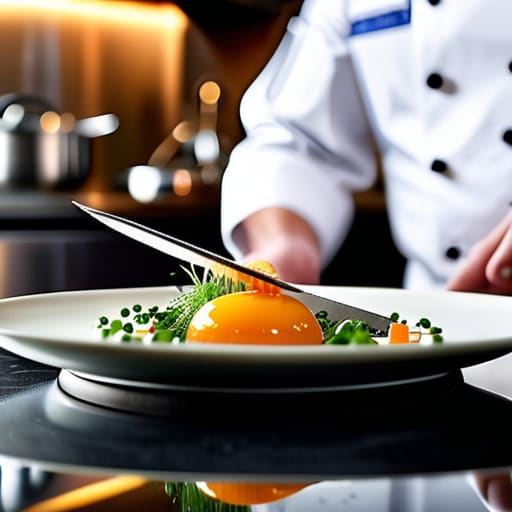
Think of your resume as the first course of a tasting menu; it needs to be visually stunning, perfectly balanced, and leave the chef wanting more. When it comes to building a professional resume, don’t just list every summer job you’ve ever had like a grocery receipt. Instead, curate your experience. If you worked at a local cafe, don’t just say “made coffee.” Tell me how you managed high-volume rushes or maintained strict food safety standards. You want to show potential employers that you possess the discipline required for a professional kitchen.
While your technical skills—like knife work or sauce preparation—are the meat of your resume, don’t forget the seasoning. I’m talking about developing soft skills for employment, such as communication, teamwork, and time management. In the heat of a dinner service, a chef cares just as much about your ability to stay calm under pressure as they do about your ability to julienne a carrot. Highlight those moments where you stepped up, solved a problem, or led a small team. That’s the secret ingredient that turns a standard application into a standout profile.
Beyond the Line: 5 Ways to Season Your Professional Growth
- Don’t just collect certifications; build a real-world toolkit. While that diploma from CIA or your local college is great, I’ve learned that showing a potential employer you actually know how to manage a rush or handle a high-pressure service is what really gets you in the door.
- Treat networking like a tasting menu. It’s not about shoving your business card into everyone you meet; it’s about sampling different perspectives. Join culinary associations, attend food tech meetups, or just chat with the local purveyors. You never know which connection might become your next big break.
- Find your niche before you try to master the whole kitchen. Whether you’re obsessed with sustainable sourcing, pastry arts, or the business side of food tech, leaning into a specialty makes you a specialist rather than just another face in the crowd.
- Embrace the “Mise en Place” mindset in your career. Organization isn’t just for your prep station; it’s for your professional life too. Keep your digital portfolio updated, track your wins, and stay organized with your professional contacts so you’re always ready when an opportunity boils over.
- Learn to speak the language of business. Passion gets you through the door, but understanding food costs, labor margins, and ROI is what keeps you in the chef’s office. If you want to move from the line to management, you have to show you care about the bottom line as much as the seasoning.
The Secret Sauce for Your Culinary Future
Don’t just collect hours; hunt for internships that actually let you get your hands dirty and learn the real rhythm of a professional kitchen.
Treat your resume like a signature dish—it needs to be polished, intentional, and show off your unique flair so it stands out from the crowd.
Remember that your career is a marathon, not a sprint, so focus on building a foundation of skills that will keep you fueled for the long haul.
The Secret Ingredient to Your Career
“Don’t just aim to fill a position; aim to master your craft. In the culinary world, as in any career, the most successful people aren’t just the ones with the best recipes, but the ones who bring a relentless hunger to learn and the courage to season their own unique path.”
Amelia Johnson
Bringing the Whole Dish Together
As we wrap up this culinary roadmap, remember that your career is a lot like a complex reduction—it takes time, patience, and a lot of heat to get it just right. We’ve talked about how to hunt down those crucial internships like you’re scouting for the perfect seasonal ingredient, and how to craft a resume that actually catches a chef’s eye instead of just sitting in a pile of digital clutter. From mastering your technical skills to presenting your unique professional flavor, every small step you take now is a foundational layer for your future success. Don’t be afraid to experiment, make mistakes, and refine your recipe as you go; that’s where the real growth happens.
At the end of the day, please don’t let the fear of a busy kitchen or a daunting job market keep you from chasing your dreams. The culinary world is vast, beautiful, and constantly evolving, and there is a place out there specifically designed for your unique talents. Whether you end up running a Michelin-starred restaurant or consulting for global food brands like I do, keep that original spark of passion alive in everything you cook and create. You have the tools, the hunger, and the drive to turn this dream into a delicious reality. Now, go out there and make your mark on the world—one incredible plate at a time!
Frequently Asked Questions
I’ve got the passion, but how do I actually balance a grueling kitchen schedule with my college classes without burning out?
Oh, I have been there—staring at a textbook in the walk-in fridge at 11 PM, wondering why I did this to myself! Honestly, the secret isn’t working harder; it’s about ruthless prioritization. Treat your schedule like a mise en place: prep your week in advance. Batch-cook your meals so you aren’t eating junk on the fly, and learn to say “no” to extra shifts when exams loom. Protect your energy like it’s your most precious ingredient.
Is it better to specialize in one specific cuisine right away, or should I keep my options open and work across different styles while I'm still learning?
Honestly? Keep those doors wide open! Think of this stage as your culinary tasting menu. If you specialize too early, you might accidentally box yourself into a corner before you even know what you truly love. I spent my early years jumping from French techniques to rustic Italian, and that versatility is exactly what made me a better consultant later. Learn the fundamentals across different styles first—once you’ve built that foundation, you’ll know exactly which cuisine you want to master.
Beyond the technical cooking skills, what are the "secret ingredients" or soft skills that actually make a chef stand out to recruiters during an interview?
Honestly, being able to dice an onion perfectly is just the baseline. If you want to really wow a recruiter, you need to bring the “seasoning”—your soft skills. I’m talking about emotional intelligence, adaptability, and communication. In a high-pressure kitchen, can you stay calm when the tickets are flying? Can you lead a team without losing your cool? That kind of grit and grace is what turns a good cook into a leader.


Amelia Johnson
I believe that food is not just sustenance but an expression of culture and creativity. Let’s explore how we can turn our culinary passions into rewarding careers that feed both our souls and our wallets.