Home Lighting Tips That Instantly Improve Any Room
I still remember my first professional kitchen in NYC—a chaotic, beautiful mess where the lighting was so harsh and clinical it felt like being under a microscope during a high-stakes inspection. I used to think that if a space wasn’t blindingly bright, it wasn’t functional, but I was dead wrong. We’ve been sold this lie that professional-grade ambiance requires a massive renovation budget or a degree in interior design, but honestly? Most of those expensive “designer” setups are just overkill. When it comes to finding real home lighting tips, you don’t need a contractor; you just need to understand how light layers like flavors in a complex sauce.
I’m not here to sell you on overpriced smart-bulbs or trendy fixtures that look great on Pinterest but leave your kitchen feeling like a cold, uninviting morgue. Instead, I’m going to share the same practical, sensory-driven approach I use when setting the mood for a high-end dining room. We’re going to dive into some straight-up, no-nonsense advice on how to use light to transform your living space into a sanctuary that actually feeds your spirit. Let’s get cooking.
Table of Contents
- Mastering Layered Lighting Techniques to Elevate Your Atmosphere
- Finding Balance With Ambient vs Task Lighting Needs
- Setting the Table: 5 Ways to Spice Up Your Home’s Glow
- Bringing the Flavor Home: My Top Three Lighting Essentials
- Setting the Mood
- Setting the Stage for Your Home’s Best Chapter
- Frequently Asked Questions
Mastering Layered Lighting Techniques to Elevate Your Atmosphere
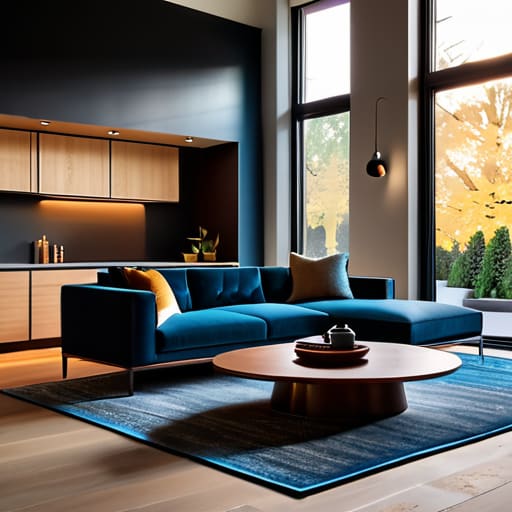
Think of your home’s lighting like a perfectly composed tasting menu; you wouldn’t want a meal that’s just one single note, right? To create a space that truly resonates, you need to embrace layered lighting techniques. This means moving beyond that single, lonely overhead fixture that makes everything look flat and uninspired. Instead, I like to think in terms of ambient vs task lighting. You need that soft, foundational glow to set the mood, but you also need focused light for the “heavy lifting”—like a bright, directed lamp over your kitchen island or a reading nook.
The magic really happens when you start playing with the intensity. This is where the dimmer switch benefits truly shine. Being able to dial back the brightness from a high-energy morning prep to a low, sultry evening vibe is a total game-changer for your home’s energy. It’s all about versatility. Just like how I’d adjust the heat on a reduction to keep it from scorching, adjusting your light levels allows you to curate the exact emotional temperature of any room, making it feel intentional, cozy, and deeply nourishing.
Finding Balance With Ambient vs Task Lighting Needs
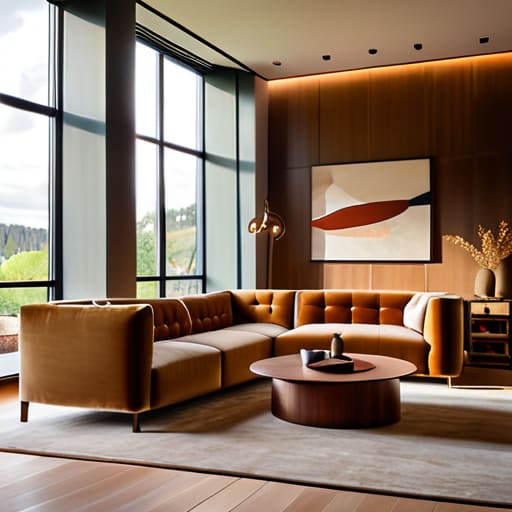
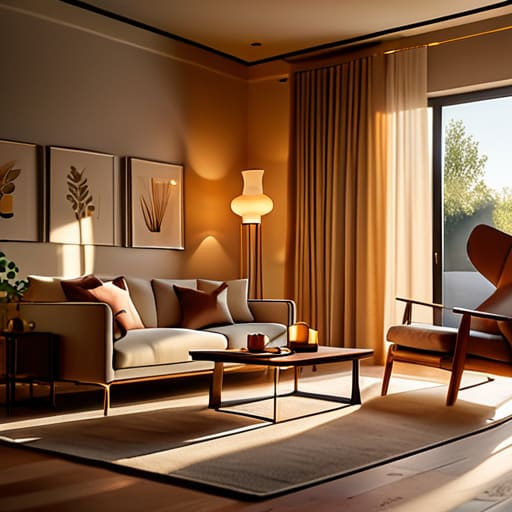
Think of your home like a well-balanced recipe; you wouldn’t throw a handful of salt into a delicate consommé without considering the rest of the ingredients, right? The same logic applies to your space when navigating ambient vs task lighting. Ambient lighting is your base—it’s the gentle, overall glow that fills a room, much like a simmering stock provides the foundation for a great meal. It sets the mood and ensures you aren’t stumbling around in the dark, but if it’s your only light source, your home might feel flat and uninspiring.
To truly make a space functional, you have to layer in task lighting. I always tell my clients to think of this as the “prep work” of illumination. Whether you’re chopping veggies on a kitchen island or curling up with a cookbook in a reading nook, you need focused, bright light to do the job right. The secret sauce here is playing with warm vs cool light temperatures. You want crisp, cool light for those high-focus tasks to keep your eyes sharp, but you’ll want to dial it back to a soft, warm glow when it’s time to unwind and let the stresses of the day melt away.
Setting the Table: 5 Ways to Spice Up Your Home’s Glow
- Don’t let your lighting be one-note; just like a great sauce needs acidity to balance the fat, your rooms need variety. Mix high-hanging pendants with low-level floor lamps to create depth and prevent that “interrogation room” vibe.
- Treat your reading nooks like a chef treats a prep station—they need precision. Invest in a dedicated task lamp with a warm bulb for your favorite corner so you aren’t straining your eyes while getting lost in a cookbook.
- Use dimmers to control the “flavor” of the room. Being able to dial back the intensity from a bright, energetic morning light to a soft, sultry evening glow is the ultimate way to transition your space from functional to soulful.
- Think about the “aftertaste” of your light by choosing the right color temperature. Avoid those harsh, blue-toned bulbs that feel like a sterile hospital kitchen; instead, opt for warm whites that make your living space feel as cozy as my grandmother’s Vermont kitchen.
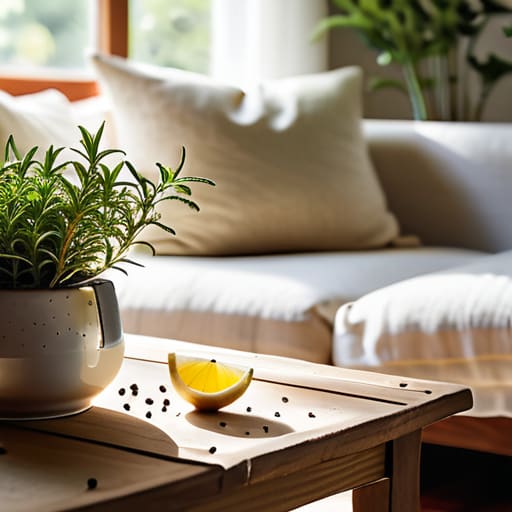
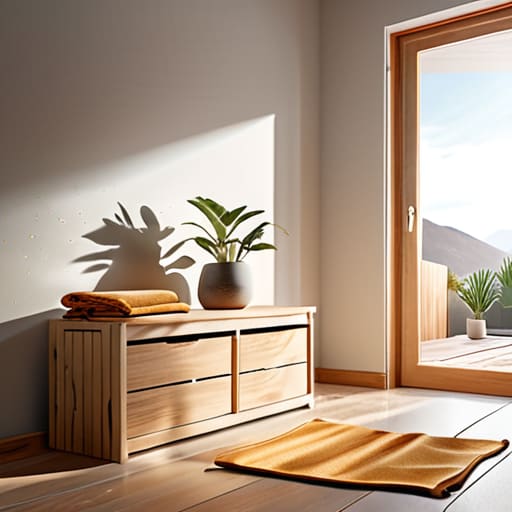
- Let your light play with texture. Just as a sprinkle of coarse sea salt adds visual interest to a dish, placing a lamp near a textured wall or behind a leafy plant creates beautiful shadows that add a layer of organic warmth to your home.
Bringing the Flavor Home: My Top Three Lighting Essentials
Think of lighting like a well-balanced recipe; you need ambient light for the base, task light for the precision work, and accent light for that beautiful, final garnish.
Don’t be afraid to play with dimmers—just like adjusting the heat on a sauté pan, being able to control the intensity is what transforms a space from functional to soulful.
Always prioritize warmth over clinical brightness; you want your home to feel like a cozy bistro where guests feel instantly nourished, not a high-pressure commercial kitchen.
Setting the Mood
“Think of your home lighting just like a perfectly balanced sauce; you wouldn’t want one single ingredient to overpower the palate, so don’t let one harsh overhead light drown out the warmth and character of your space.”
Amelia Johnson
Setting the Stage for Your Home’s Best Chapter
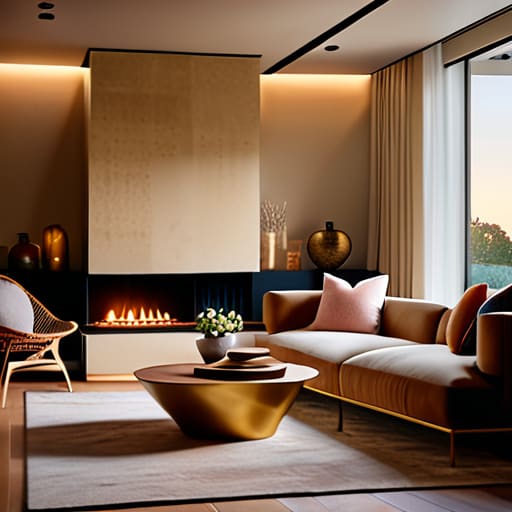
As we wrap up our little deep dive, remember that creating the perfect ambiance is a lot like perfecting a signature sauce—it’s all about the layers. We’ve talked about how mastering layered lighting can completely transform your mood, and how finding that sweet spot between functional task lighting and soft ambient glows prevents your space from feeling either too harsh or too dim. Don’t be afraid to experiment with different intensities and placements. Just like I might reach for my little spice kit to add a bit of zest to a dish, you can use these lighting techniques to add that much-needed flavor and depth to your living environment.
At the end of the day, your home is your sanctuary, the place where you recharge your soul after a long shift or a hectic day in the world. Lighting shouldn’t just be an afterthought; it should be a tool that helps you nurture your well-being and express your unique personality. Whether you’re hosting a lively dinner party or curling up with a book in a quiet corner, let your light reflect the warmth and creativity you carry within. Go ahead, dim those overheads, turn on those warm lamps, and start living in your most luminous light.
Frequently Asked Questions
How do I choose the right light bulb temperature so my kitchen doesn't end up looking like a cold hospital wing or a dim, moody lounge?
Think of light temperature just like balancing acidity in a sauce—it’s all about the right notes! For a kitchen, I swear by “warm white” (around 2700K to 3000K). Anything higher feels like a sterile hospital wing, which is a total mood killer when you’re prepping dinner. Anything lower feels too dim for actual chopping. Aim for that sweet spot where the light feels inviting but still bright enough to see exactly what you’re slicing!
If I'm working with a smaller space or a tiny studio, how can I add layers of light without making the room feel cluttered and cramped?
Think of lighting a small studio like balancing a delicate emulsion; you want richness without the heaviness. Instead of bulky floor lamps that hog precious square footage, go vertical! Use wall-mounted sconces or sleek plug-in pendants to free up floor space. I also love using LED strips tucked under cabinets or behind a headboard. They add that gorgeous, “expensive” glow without any visual clutter, making your tiny sanctuary feel expansive rather than cramped.
Is it worth investing in smart lighting systems, or should I stick to traditional dimmers to keep things simple and soulful?
Honestly, it’s a bit like choosing between a high-end sous-vide machine and a trusty cast-iron skillet. If you crave precision and want to set “moods” with a single tap—like shifting from bright prep light to a sultry dinner glow—smart lighting is a game-changer. But if you find joy in the tactile click of a switch, don’t overcomplicate it. Both can be soulful; it just depends on how much tech you want in your kitchen’s recipe!


Amelia Johnson
I believe that food is not just sustenance but an expression of culture and creativity. Let’s explore how we can turn our culinary passions into rewarding careers that feed both our souls and our wallets.