
How to Find a Mentor Who’ll Actually Help You
I still remember standing in the middle of a frantic, steaming NYC kitchen during a Saturday night rush, feeling like I was drowning in a sea of orders and mismanaged prep lists. I had the technical skills—I’d graduated from the CIA, after all—but I was missing that unspoken intuition that only comes from years of heat and pressure. I realized then that no culinary textbook could teach me the nuances of leadership or how to navigate the politics of a high-end brigade. I desperately needed someone to show me the ropes, but I had no clue how to find a mentor who actually cared about my growth rather than just wanting another pair of hands to peel potatoes.
Forget the polished, corporate advice about “networking events” and expensive masterclasses that promise the world but deliver nothing. I’m here to give you the real, unfiltered truth about building professional relationships that actually taste good. We’re going to skip the fluff and dive straight into the practical, boots-on-the-ground strategies for finding a culinary guide who will help you sharpen your skills and your business sense. By the end of this, you won’t just have a contact list; you’ll have a roadmap to success that feeds your ambition and your soul.
Table of Contents
- Mastering Networking for Mentorship in a Competitive Kitchen
- How to Approach a Potential Mentor With Grace and Flavor
- Five Secret Ingredients for a Recipe for Mentorship Success
- The Secret Sauce: Your Mentorship Cheat Sheet
- The Secret Ingredient to Growth
- Bringing It All Home to the Table
- Frequently Asked Questions
Mastering Networking for Mentorship in a Competitive Kitchen

Let’s be real: walking into a room full of industry heavyweights can feel a lot like stepping into a high-pressure dinner service during a Saturday night rush. Your heart is racing, and you’re worried about tripping over your own feet. But here’s the secret—networking for mentorship isn’t about aggressively handing out business cards like you’re trying to sell a subscription to a magazine. It’s about genuine connection. Instead of aiming for the most famous chef in the room, look for the person whose philosophy on food resonates with your own. When you’re navigating the chaos of a professional kitchen or a busy food hall, these organic connections are what truly pave the way for long-term growth.
When it comes to how to approach a potential mentor, less is often more. You don’t need a grand, sweeping pitch; you just need a thoughtful question or a sincere compliment on their recent work. Maybe it’s asking about how they managed their kitchen’s food waste or how they developed their signature spice profile. By showing that you’ve actually done your homework, you transform from a random stranger into a curious, driven professional worth investing in. It’s about planting seeds, not demanding a harvest on day one.
How to Approach a Potential Mentor With Grace and Flavor
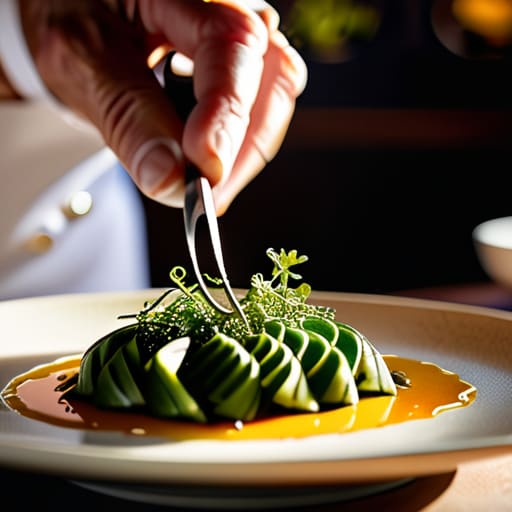
So, you’ve spotted someone whose career trajectory makes your mouth water—maybe they’re a celebrated pastry chef or a brilliant restaurateur—and now comes the nerve-wracking part: actually reaching out. When figuring out how to approach a potential mentor, think of it like seasoning a delicate sauce; you want to be intentional, not overwhelming. Avoid the “can I pick your brain?” cliché, which can feel a bit draining for a busy professional. Instead, lead with genuine admiration for a specific dish they created or a business move they made. A personalized note that shows you’ve actually done your homework is much more appetizing than a generic LinkedIn request.
The goal is to build a foundation for effective mentorship relationships by being respectful of their time right from the jump. Start small—ask for a fifteen-minute virtual coffee or a quick question via email rather than asking for a lifetime commitment upfront. You’re looking to plant a seed, not demand a five-course meal. By approaching them with humility and a clear sense of purpose, you show that you aren’t just looking for a handout, but are truly invested in your own professional development mentorship.
Five Secret Ingredients for a Recipe for Mentorship Success
- Look for the “Flavor Profile” that Matches Your Ambition. Don’t just chase the most famous Executive Chef in town; look for someone whose career trajectory actually mirrors the life you want to lead. If you want to master sustainable farm-to-table operations, a mentor who specializes in high-volume banquet catering might have great technical skills, but they won’t be able to guide your specific culinary soul.
- Treat Every Interaction Like a Tasting Menu. You wouldn’t walk into a Michelin-starred restaurant and demand the full seven-course meal without even looking at the menu, right? The same goes for mentorship. Start with small, low-pressure asks—a quick question about a technique or a fifteen-minute coffee chat—to see if your professional personalities actually blend well before asking for a long-term commitment.
- Bring Your Own Seasoning to the Table. A mentor isn’t looking for a shadow; they’re looking for a protégé who brings something fresh to the kitchen. Show them that you aren’t just a sponge, but someone with curiosity, a strong work ethic, and perhaps a unique perspective on a new food trend or a piece of tech that could benefit their operation. Value is a two-way street.
- Don’t Be Afraid to Scour the “Off-Menu” Options. We often get tunnel vision thinking a mentor has to be a formal instructor or a high-ranking chef. In reality, your mentor could be a former sous-chef who transitioned into food styling, or a local restaurant owner who excels at the business side of things. Sometimes the best guidance comes from the people working in the niches you haven’t even explored yet.
- Keep the Connection Simmering. The biggest mistake I see is people reaching out only when they need something—like a job recommendation or a favor. That’s not a mentorship; that’s a transaction. Send them an article about a new ingredient you know they love, or a quick note letting them know you applied a piece of advice they gave you months ago. Keep that relationship warm, just like a well-maintained stock.
The Secret Sauce: Your Mentorship Cheat Sheet
Don’t just look for a celebrity chef; look for someone whose kitchen philosophy aligns with your own, because a mentor who shares your values is the one who will actually help you simmer into greatness.
Treat every interaction like a tasting menu—keep it small, intentional, and high-quality, focusing on building a genuine connection rather than just asking for a job or a favor.
Remember that mentorship is a two-way street; even as you’re learning the ropes, look for ways to bring fresh energy or a helping hand to the table to show you’re worth the investment.
The Secret Ingredient to Growth
“Think of a mentor not as a boss giving you a recipe to follow blindly, but as the seasoned chef who helps you understand the science behind the heat, so you can eventually create your own signature dishes.”
Amelia Johnson
Bringing It All Home to the Table
At the end of the day, finding a mentor isn’t about collecting impressive names for your resume; it’s about building genuine, flavor-filled connections that help you navigate the heat of the kitchen. We’ve talked about the importance of showing up with intention, mastering the art of networking without feeling like a salesperson, and—most importantly—approaching those culinary legends with the kind of grace and respect that makes them actually want to invest their time in you. Remember, a great mentor doesn’t just hand you a recipe for success; they give you the tools to perfect your own unique culinary signature while helping you avoid the burnt edges that come with rookie mistakes.
As you step out of this digital kitchen and back into the real world, I want you to remember that your career is a dish that you are constantly seasoning. It takes time, patience, and occasionally a little bit of trial and error to get the balance just right. Don’t be afraid to reach out, to ask the “silly” questions, and to be the person who brings something extra to the table. You have a unique spark that the industry needs, and with the right guidance, you won’t just survive this wild, wonderful profession—you will truly thrive. Now, go out there and find that North Star; I can’t wait to see what you cook up next!
Frequently Asked Questions
What if I reach out to someone I really admire and they just don't respond—how do I handle that rejection without losing my confidence?
Oh, honey, take a deep breath. I’ve been there—staring at a sent email that feels like it’s been swallowed by a black hole. First, remember: silence isn’t a critique of your talent; it’s usually just a sign of a chaotic kitchen or a mountain of paperwork on their desk. Don’t let it sour your confidence. Treat it like a fallen soufflé—it’s a setback, not a disaster. Just adjust your seasoning and keep moving.
Is it better to look for a mentor who is a direct competitor in my local scene, or should I cast a wider net and look for someone in a completely different culinary niche?
Honestly? Cast that net wide! While a local competitor might know the exact layout of your neighborhood’s food scene, they’re often too close to the fire to give you unbiased heat. I’ve always found that looking outside your immediate niche—maybe a pastry chef if you’re savory, or a restaurateur if you’re a line cook—gives you a fresh perspective. You want someone who challenges your palate, not someone just trying to win the same local awards you are.
How do I actually balance a formal mentorship with a real-world job without it feeling like I'm just adding another unpaid internship to my plate?
Think of mentorship as your “prep work,” not an extra shift. If it feels like unpaid labor, you’re doing it wrong! A true mentor shouldn’t be asking you to peel fifty pounds of potatoes; they should be offering perspective, not more tasks. Keep your sessions focused—think thirty minutes of high-impact conversation rather than endless hours of shadowing. If the “mentorship” starts feeling like a second job, it’s time to adjust the seasoning and set some boundaries.


Amelia Johnson
I believe that food is not just sustenance but an expression of culture and creativity. Let’s explore how we can turn our culinary passions into rewarding careers that feed both our souls and our wallets.