
What Nobody Tells You About Your First Real Job
I can still smell the heavy scent of garlic and old floor cleaner from my very first shift in a cramped Manhattan bistro. I remember standing there, my hands shaking slightly as I gripped a dull paring knife, wondering if I’d actually made a mistake by choosing this life. Most people will give you generic first job tips like “show up on time” or “wear non-slip shoes,” but honestly? That’s just the bare minimum to keep you from getting fired. What they don’t tell you is how to handle the mental grind of a double shift or how to find your rhythm when the printer won’t stop screaming orders at you.
I’m not here to give you a textbook lecture or some polished, unrealistic roadmap to Michelin stars. Instead, I want to share the real, unvarnished truth about what it takes to survive your first few months in the industry. We’re going to dive into the practical, experience-based strategies that helped me transition from a nervous commis chef to a consultant. My goal is to help you build a foundation that doesn’t just pay the bills, but actually fuels your creative fire.
Table of Contents
- Making a Good First Impression With Your Culinary Spirit
- Managing First Week Anxiety While Finding Your Kitchen Rhythm
- Five Ways to Keep Your Head Above Water (And Your Knife Sharp)
- The Secret Sauce for Long-Term Success
- The Secret Ingredient to Your First Week
- From the First Service to a Lifetime of Flavor
- Frequently Asked Questions
Making a Good First Impression With Your Culinary Spirit

When you walk into that kitchen for your first shift, remember that your energy is just as important as your knife skills. I still remember my first week in a high-pressure NYC bistro; my hands were shaking, but I knew I had to channel that nervous energy into focus. Making a good first impression isn’t about being a master chef on day one—it’s about showing up with a hunger to learn and a genuine respect for the brigade. Keep your station clean, listen more than you speak, and don’t be afraid to ask, “How can I help?” even when you think you’re done.
Beyond the prep work, mastering the basics of workplace etiquette for beginners will set you apart from the crowd. This means being punctual (or better yet, five minutes early), staying composed when the tickets start flying, and treating every member of the team, from the dishwasher to the sous chef, with equal respect. It’s those small, consistent acts of professionalism in the workplace that build the foundation of trust. When you show that you’re reliable and eager, you aren’t just a new hire; you’re becoming a vital part of the kitchen family.
Managing First Week Anxiety While Finding Your Kitchen Rhythm
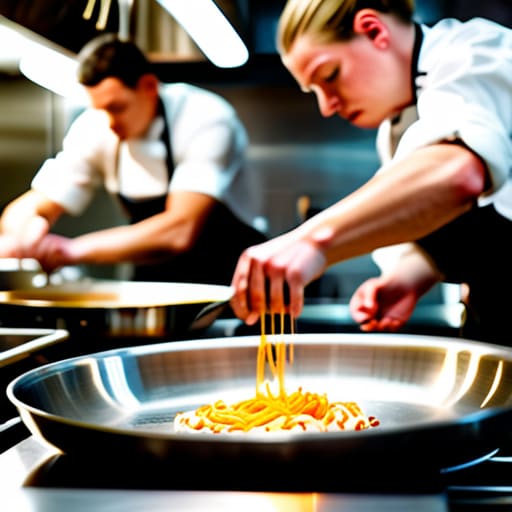
Let’s be real: that first week in a professional kitchen can feel like being thrown into a boiling pot of water without a lid. Your heart is racing, the tickets are flying, and you’re probably wondering if everyone can see your hands shaking. If you’re managing first week anxiety, please know that even I had moments in my early NYC days where I thought I’d dropped my entire career on the floor along with a tray of ramekins. The trick isn’t to be perfect; it’s to stay calm and keep your eyes moving.
Finding your rhythm is less about mastering a complex sauce and more about mastering workplace etiquette for beginners. This means showing up five minutes early, keeping your station spotless, and—most importantly—listening more than you speak. Instead of panicking when you make a mistake, own it immediately, fix it, and move on. Once you stop trying to prove you’re a superstar and start focusing on being a reliable teammate, the chaos starts to feel like a beautiful, choreographed dance.
Five Ways to Keep Your Head Above Water (And Your Knife Sharp)
- Master the “Mise en Place” of Your Life. It’s not just about having your onions diced before service; it’s about mental organization. Before you walk through those kitchen doors, make sure your gear is ready, your uniform is crisp, and you’ve mentally mapped out your goals for the shift. When your station is organized, your brain stays calm.
- Be a Sponge, Not a Statue. In your first few weeks, you’re going to see a million different ways to do things—some might even clash with how you learned in school. Don’t get defensive! Listen more than you speak, watch how the seasoned line cooks move, and soak up every bit of institutional knowledge you can.
- Embrace the “Yes, Chef” Mentality (With a Side of Curiosity). Showing respect for the hierarchy is non-negotiable in a professional kitchen, but don’t let it stifle your growth. Accept every task—even the ones that feel “beneath” you, like peeling fifty pounds of potatoes—with a positive attitude. It shows you’re a team player who understands that every task is a building block.
- Protect Your Physical and Mental Stamina. The culinary world is a marathon, not a sprint. I can’t tell you how many talented chefs I’ve seen burn out in month three because they forgot to hydrate or eat a real meal. Invest in the best non-slip shoes you can afford, stay hydrated, and learn how to leave the kitchen stress at the door when you clock out.
- Ask “Why,” Not Just “How.” Once you’ve nailed the basic execution of a task, start asking the seasoned pros about the logic behind it. Why do we sear this specific protein at this temperature? Why does this sauce need this particular acid? Transitioning from a cook to a chef happens the moment you stop following recipes and start understanding the science and soul behind them.
The Secret Sauce for Long-Term Success
Don’t just aim to survive the shift; aim to learn the “why” behind every prep task and recipe to build a foundation for your future.
Treat your kitchen crew like your second family, because a little bit of camaraderie and mutual respect goes much further than any technical skill.
Protect your passion by staying curious—keep tasting, keep asking questions, and never let the grind dampen that creative spark that brought you here in the first place.
The Secret Ingredient to Your First Week
“Your first kitchen job isn’t just about mastering the mise en place or memorizing a menu; it’s about showing up with a hunger to learn that’s even stronger than your hunger for the food itself. Don’t sweat the small mistakes—just keep your station clean, your ears open, and your passion simmering.”
Amelia Johnson
From the First Service to a Lifetime of Flavor
Taking those first steps into a professional kitchen can feel like trying to master a complex reduction on your very first day—it’s intense, a little messy, and occasionally overwhelming. But remember, everything we’ve talked about, from showing up with that infectious culinary spirit to finding your footing amidst the heat and the rush, is designed to build your foundation. It’s about more than just learning where the sauté pans live; it’s about mastering the art of resilience and proving to yourself that you belong at the table. Keep your eyes open, your station clean, and don’t be afraid to ask those “silly” questions early on. If you can navigate these first few weeks with grace and curiosity, you’re already miles ahead of the pack.
At the end of the day, I want you to remember why you picked up a knife in the first place. Whether it was the smell of your grandmother’s kitchen in Vermont or the magic of a perfectly plated street taco, that spark is your most valuable ingredient. The industry can be tough, sure, but it is also incredibly rewarding when you find that sweet spot where your creativity meets your craft. Don’t just aim to survive the shift; aim to thrive in the chaos. You aren’t just working a job; you are building a life fueled by passion. Now, go out there and show the world exactly what you’re cooking up!
Frequently Asked Questions
How do I handle it when I make a mistake on a dish or mess up an order during a busy rush?
Deep breaths, chef! We’ve all been there—I once sent out a risotto that was basically glue during a Saturday rush. When the chaos hits, don’t freeze. Own it immediately. Tell your lead or the expeditor, “I messed up this order, I’m fixing it now.” Speed and honesty are your best friends. Fix the mistake, learn the lesson, and keep moving. One bad plate doesn’t define your career; how you recover does!
What are some subtle ways to show my chef that I’m eager to learn without being annoying or overstepping?
The best way to show you’re hungry for knowledge without hovering is to master the “look and listen” technique. While you’re prepping, keep your eyes peeled—watch how the senior cooks handle their knives or organize their stations. When there’s a lull, instead of asking “What do I do next?”, try: “I’ve finished my prep; is there a specific station I can shadow or a task I can take off your hands?” It shows initiative without the interruption.
Is it normal to feel like I'm not "cut out" for the heat of a professional kitchen after my first few shifts?
Oh, honey, take a deep breath. I promise you, what you’re feeling is incredibly normal. I remember my first week in a high-pressure NYC kitchen; I actually sat in my car afterward and wondered if I’d made a huge mistake. The heat, the noise, the relentless pace—it’s a sensory overload! You aren’t “not cut out” for it; you’re just adjusting. Give yourself some grace while you find your footing. You’ve got this!


Amelia Johnson
I believe that food is not just sustenance but an expression of culture and creativity. Let’s explore how we can turn our culinary passions into rewarding careers that feed both our souls and our wallets.