How to Cook Perfect Rice Every Single Time
I still remember the frantic, humid chaos of my first line cook position in Manhattan, where the sound of a heavy metal lid slamming against a pot felt like a personal indictment every time a batch came out gummy or scorched. I spent years thinking that mastering the basics required some high-tech, expensive gadget or a chemistry degree, but let me tell you, that’s just culinary gatekeeping. Most of the “expert” advice you see online is way too complicated, making you feel like you need a laboratory to figure out how to cook rice perfectly. In reality, it isn’t about the gear; it’s about understanding the grain and respecting the simple physics of water and heat.
I’m not here to sell you a $300 programmable cooker or a complicated set of ratios that change every time you switch brands. Instead, I want to give you the honest, no-nonsense toolkit I’ve gathered from years in professional kitchens and street food stalls across the globe. We are going to strip away the fluff and focus on the foundational techniques that actually work. By the time we’re done, you won’t just be following a recipe; you’ll have the confidence to master this staple, turning a simple side dish into a beautiful, soulful centerpiece for any meal.
Table of Contents
Mastering the Ritual of Rinsing White Rice
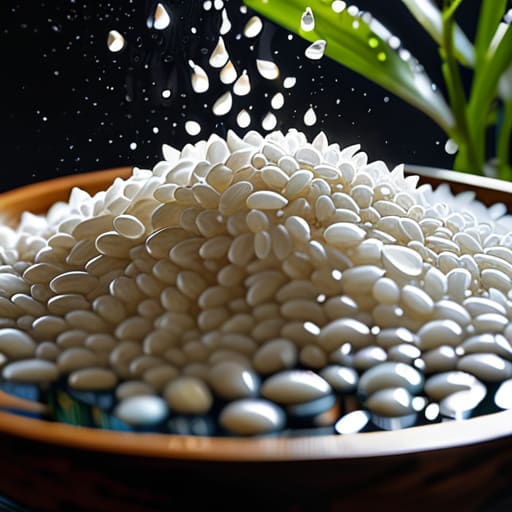
Before you even think about turning on the burner, we need to talk about the most overlooked step in the entire process: the rinse. I know, it feels like an extra chore when you’re hungry, but rinsing white rice is where the real magic happens. When rice is harvested and packaged, it’s often coated in excess surface starch. If you skip this, that starch turns into a gummy, glue-like substance once it hits the heat. Trust me, nobody wants a bowl of sticky porridge when they’re expecting fluffy, individual grains.
Think of it as a little cleansing ritual for your ingredients. I like to place my rice in a fine-mesh strainer and run cool water over it, swirling it gently with my hand until the water runs clear. This is especially crucial when you’re cooking jasmine rice, as that delicate floral aroma can easily be masked by a heavy, starchy texture. By washing away that excess, you’re essentially setting the stage for success, ensuring you’ll be avoiding mushy rice and instead achieving that perfect, light bite every single time.
Finding Harmony in the Rice to Water Ratio
Finding Harmony in the Rice to Water Ratio
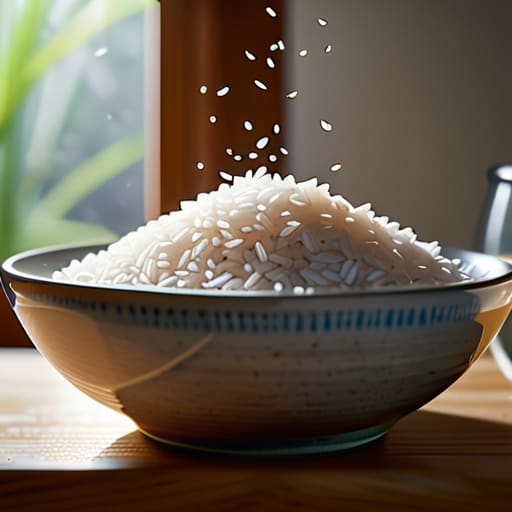
If there’s one thing I learned during my years in high-pressure NYC kitchens, it’s that precision is your best friend when you’re trying to achieve consistency. While I love the soul and intuition of cooking, when it comes to the rice to water ratio, you really can’t wing it. Every grain tells a story, and if you get the liquid wrong, that story ends in a gummy mess. Whether you are cooking jasmine rice for a fragrant Thai curry or a hearty batch of long-grain, that specific balance of moisture is what separates a professional-grade side dish from a kitchen catastrophe.
The trick to avoiding mushy rice is understanding that different varieties have different thirst levels. For instance, if you’re working with a classic stovetop rice cooking method, you’ll want to stick to the standard 1:2 ratio for most white varieties, but don’t be afraid to tweak it slightly if you prefer a firmer, more al dente texture. Think of it like seasoning a dish—it’s a delicate calibration that requires both a little math and a lot of heart. Once you find that sweet spot, you’ll feel like you’ve unlocked a secret culinary superpower.
The Chef’s Secret Sauce: Five Little Nuances for Big Results
- Don’t be afraid of the “Resting Period.” Once the heat is off and the water is absorbed, resist the urge to dive in with a spoon immediately. Let that pot sit, covered, for at least ten minutes. This allows the moisture to redistribute through the grains, ensuring every single bite is fluffy rather than mushy or uneven.
- Master the art of the “Steam Release.” When you finally lift that lid, don’t just stir it vigorously like you’re making mashed potatoes. Use a wide, flat rice paddle to gently fold the grains. You want to aerate the rice, introducing a little breathing room between the grains so they stay distinct and beautiful.
- Toast your grains for a nutty soul. If you’re working with long-grain or Basmati, try sautéing the dry rice in a teaspoon of butter or oil for just a minute or two before adding your water. It develops a gorgeous, toasted aroma that elevates a simple side dish into something that feels truly intentional.
- Flavor the water, not just the rice. Instead of relying solely on plain old tap water, try using a high-quality vegetable or chicken stock. If you want to get really fancy—the way my grandmother used to—toss in a smashed garlic clove, a slice of ginger, or a bay leaf. It’s a tiny investment that pays massive dividends in flavor depth.
- Watch the heat, not just the clock. Every stove is a little bit different, and trusting a timer blindly is a rookie mistake. Keep a close eye on the simmer; you want a very gentle, consistent bubble. If it’s boiling too violently, you’ll lose that precious moisture to steam before the core of the grain is actually cooked.
The Heart of the Grain: Your Quick Guide to Success
Treat rinsing your rice like a sacred ritual rather than a chore; that extra minute of washing is the secret to a clean, fluffy texture that won’t stick together.
Precision is your best friend in the kitchen, so ditch the guesswork and stick to your specific water-to-grain ratios to ensure every single grain is cooked to perfection.
Remember that mastering these fundamental basics isn’t just about a meal—it’s about building the discipline and technical foundation you’ll need to excel in any professional culinary space.
The Secret Ingredient is Patience
“Cooking the perfect bowl of rice isn’t just about following a ratio on a package; it’s about respecting the grain, honoring the steam, and understanding that true culinary mastery often lives in these small, quiet rituals.”
Amelia Johnson
The Final Grain of Wisdom
At the end of the day, mastering the perfect bowl of rice comes down to respecting the small, often overlooked details. It’s about that intentional rinse to clear away excess starch and the disciplined patience required to find that perfectly balanced ratio between grain and water. When you stop treating rice as a mere side dish and start treating it as a foundation, you’ll notice the texture transforms from something merely edible to something truly sublime. Remember, whether you are using a heavy-bottomed pot or a high-tech cooker, consistency is your best friend in the kitchen.
As you head back to your stove, I want you to remember that culinary excellence isn’t reserved for Michelin-starred kitchens; it’s built in your own home, one small ritual at a time. Don’t be afraid to experiment, to fail a few batches, or to adjust your technique until it feels like second nature. Cooking is a lifelong journey of refinement, and every perfect grain is a testament to your growing skill. Trust your senses, keep exploring, and never forget that even the simplest ingredients can become extraordinary when they are prepared with heart and intention. You’ve got this!
Frequently Asked Questions
Does it actually matter if I use tap water instead of filtered water for the rice?
It’s a great question, and honestly, it’s one of those tiny details that can make a massive difference in the final result. If your tap water has a heavy scent of chlorine or a high mineral content, it can definitely mess with the delicate, nutty aroma of your rice. I always recommend using filtered water if you can; it provides a clean slate, allowing the true flavor of the grain to shine through beautifully.
What’s the secret to getting that perfect, fluffy texture without the grains sticking together in a giant clump?
The secret is all in the “rest and fluff.” Once your rice has absorbed the water and the heat is off, resist the urge to dive in immediately! Let it sit, covered, for at least ten minutes. This allows the moisture to redistribute evenly. When you finally open the lid, use a wide fork to gently lift and aerate the grains rather than stirring them. It’s the difference between a gummy mess and pure, fluffy perfection.
If I accidentally add too much water, is there a way to rescue the batch or am I stuck with mush?
Don’t panic! We’ve all been there, and no, you aren’t stuck with mush just yet. If the rice is still a bit firm, drain the excess water immediately and let it steam in the pot with the lid on for a few extra minutes. If it’s already quite soft, pivot! Spread it on a baking sheet to dry out, or better yet, transform it into a crispy, golden batch of fried rice.


Amelia Johnson
I believe that food is not just sustenance but an expression of culture and creativity. Let’s explore how we can turn our culinary passions into rewarding careers that feed both our souls and our wallets.