
Great Careers You Can Start Without a Degree
I still remember standing in a sweltering kitchen in Manhattan, staring at a mountain of prep work and wondering if I’d ever make it beyond the line. Back then, I felt like if I didn’t have a fancy piece of parchment from a university, I was somehow behind the curve. But here’s the secret I learned while navigating the chaos of the food industry: your talent and your hustle often matter much more than a formal diploma. If you’re feeling stuck or uncertain about your path, I want you to know that there are incredible ways to build a life you love. Finding the best jobs without a degree isn’t just about survival; it’s about finding a way to thrive on your own terms.
In this post, I’m pulling back the curtain on five specific career paths that can turn your natural grit into a sustainable, high-reward lifestyle. We aren’t just talking about “placeholder” roles here; I’ve handpicked options that offer real growth and, more importantly, the chance to fuel your passion while keeping your bank account healthy. Get ready to discover how you can skip the lecture halls and jump straight into a career that actually feeds your soul.
Table of Contents
- Mastering the Line as a Line Cook
- The Art of Catering and Private Chef Services
- Crafting Flavors as a Specialized Baker
- Curating Experiences as a Food Stylist
- Managing the Flow as a Front-of-House Lead
- The Secret Sauce to Your Culinary Success
- Beyond the Diploma
- Your Recipe for Success
- Frequently Asked Questions
Mastering the Line as a Line Cook

Let’s be real: there is nothing quite like the adrenaline rush of a Saturday night service when the tickets are flying and the kitchen is humming. While I spent years in high-end NYC kitchens, I’ve seen countless talented chefs who never stepped foot in a lecture hall, proving that culinary skill is earned through sweat and repetition, not just a piece of paper. Starting as a line cook is your chance to learn the rhythm of the kitchen from the ground up, mastering everything from knife skills to heat management.
The beauty of this path is that it’s a meritocracy. If you show up on time, keep your station clean, and have a palate that can distinguish between a pinch of salt and a dash of spice, you will move up the ranks faster than you think. As you progress toward Sous Chef or even Executive Chef roles, your hands-on experience becomes your most valuable asset. It’s a grueling way to make a living, sure, but the sense of accomplishment when a perfect plate leaves the window is absolutely unmatched.
The Art of Catering and Private Chef Services

If the idea of a chaotic restaurant line makes your stomach turn, you might find your bliss in the more intimate world of private catering. This is where your creativity can truly run wild, allowing you to design bespoke menus that reflect a client’s specific personality or culture. I’ve always loved how street food influences can be elevated into a high-end private dining experience, and you don’t need a degree to curate that kind of magic for a small group.
Building a catering business is all about nurturing relationships and perfecting your craft. You can start small—perhaps doing weekend brunch services or intimate dinner parties—and grow your brand through word-of-mouth and a killer social media presence. It requires a bit of a hustle to manage the logistics, but the ability to set your own schedule and charge premium rates for your unique talent is a massive win for your bank account and your sanity.
Crafting Flavors as a Specialized Baker
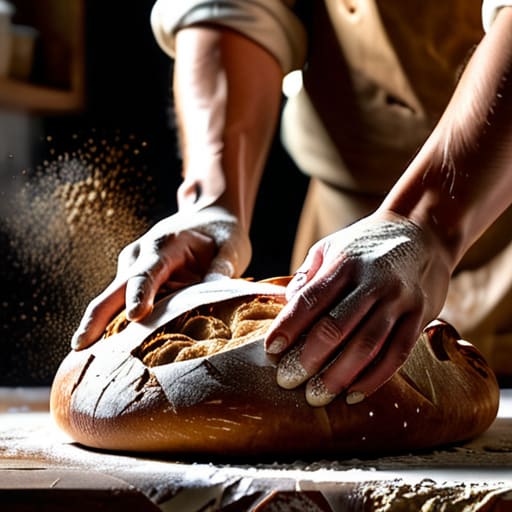
There is a certain kind of science to baking that feels almost like magic, and honestly, it’s one of the most rewarding ways to turn a passion for flour and sugar into a career. Whether you’re obsessed with the perfect sourdough crust or the delicate crumb of a French pastry, the bakery world cares far more about the quality of your bake than the credentials on your resume. It’s a discipline that rewards patience, precision, and a whole lot of practice.
You can find your niche in a local artisanal bakery, or even better, start your own specialized micro-bakery from your own kitchen. I’ve seen so many incredible entrepreneurs find success by focusing on one specific thing they do better than anyone else, like gluten-free treats or decadent seasonal tarts. It’s a way to build a brand that is uniquely yours, allowing you to feed your soul one delicious loaf at a time.
Curating Experiences as a Food Stylist
Have you ever scrolled through a food blog and felt your mouth water just looking at a perfectly placed sprig of basil? That isn’t luck; that’s the work of a food stylist. If you have a keen eye for aesthetics and a bit of a perfectionist streak, this is a fantastic way to stay in the food world without necessarily being behind a hot stove all day. It’s about visual storytelling and making sure every ingredient looks its absolute best under the lights.
This role is a perfect blend of art and food, often working alongside photographers for magazines, cookbooks, or even commercial advertisements. You’ll need to get creative—sometimes using non-edible tricks to make food look “fresh”—but the core of the job is understanding how flavors and textures translate visually. It’s a highly specialized field where your portfolio will always speak louder than any formal diploma ever could.
Managing the Flow as a Front-of-House Lead
While my heart usually lives in the kitchen, I know that a restaurant is nothing without the magic that happens in the dining room. Stepping into roles like floor manager or head server allows you to master the human element of hospitality. You become the conductor of the dining experience, ensuring that the energy from the kitchen translates into a seamless, memorable evening for every guest who walks through the door.
This career path is perfect for those who are natural communicators and love the fast-paced social environment of the service industry. As you climb the ladder toward general management, you’ll learn the business side of food, from inventory control to staff training and guest relations. It’s a high-stakes, high-reward way to build a stable career that relies on your emotional intelligence and your ability to lead a team with grace.
The Secret Sauce to Your Culinary Success
Don’t let the lack of a fancy diploma stall your momentum; in this industry, your palate, your hustle, and your hands-on experience often speak much louder than a piece of paper.
Focus on building a diverse toolkit of skills—whether it’s mastering flavor profiles or learning the business side of operations—to ensure your career is as sustainable as it is delicious.
Treat every kitchen mishap and every new recipe as a stepping stone toward your ultimate goal of turning your creative passion into a paycheck that actually feels rewarding.
Beyond the Diploma
“In my years moving from high-pressure NYC kitchens to consulting, I’ve learned that a piece of paper can’t teach you intuition, grit, or the ability to balance a flavor profile. Your talent and your hustle are your real credentials—don’t let the lack of a degree stop you from seasoning your own path to success.”
Amelia Johnson
Your Recipe for Success
Looking back at the paths we’ve discussed, it’s clear that a piece of paper isn’t the only ingredient required to cook up a successful life. Whether you’re eyeing a role in specialized hospitality, diving into the technical world of trades, or leveraging your natural knack for sales, the common thread is action over theory. You’ve seen that there are plenty of ways to build a stable, high-earning career by focusing on hands-on experience and relentless curiosity rather than just sitting in a lecture hall. Each of these options offers a unique way to turn your innate talents into a professional reality that actually pays the bills.
At the end of the day, I want you to remember that your career is a lot like a complex reduction sauce—it takes patience, heat, and a whole lot of heart to get it just right. Don’t let the fear of not having a traditional background stop you from stepping into the kitchen of life. You have the flavor, you have the drive, and now you have the roadmap. So, take that first brave step, trust your instincts, and go build a life that feeds your soul as much as it feeds your bank account. I’m rooting for you!
Frequently Asked Questions
Do I really need to go to culinary school to land a high-paying role in a professional kitchen?
Honestly? Not necessarily. While my time at the CIA gave me a massive head start, I’ve seen incredible chefs rise through the ranks purely through grit and a relentless palate. In a professional kitchen, your knife skills and how you handle a rush speak much louder than a piece of parchment. Think of school as a shortcut, but don’t let the lack of a degree stop you from chasing that dream. Just bring your passion—and maybe a little seasoning!
How can I start building a professional portfolio if I don't have any formal certifications or a degree?
Think of your portfolio as your personal recipe book—it’s all about showing, not just telling. Since you don’t have a piece of paper to prove your skills, let your work do the talking! Start documenting everything: high-quality photos of your best dishes, detailed descriptions of the techniques you used, or even a blog tracking your flavor experiments. If you’ve done any freelance gigs or even cooked for local events, grab those testimonials. Real-world proof is pure gold!
What's the best way to transition from a home cook to a profitable food entrepreneur or freelancer?
The secret? Stop thinking like a cook and start thinking like a business owner. It’s a huge mental shift! Start small—maybe a weekend pop-up or a niche catering gig—to test your concept without breaking the bank. Focus on one “hero” product you absolutely nail, build a killer Instagram presence, and learn the boring (but vital) stuff like food costing. Trust me, passion gets you in the kitchen, but a solid plan keeps the lights on!


Amelia Johnson
I believe that food is not just sustenance but an expression of culture and creativity. Let’s explore how we can turn our culinary passions into rewarding careers that feed both our souls and our wallets.