How to Improve the Air Quality in Your Home
I still remember the suffocating, heavy heat of a professional kitchen in mid-July—the kind of air that felt thick enough to chew, smelling of burnt garlic and stale grease. Back then, I thought that “kitchen smell” was just part of the job, but looking back, I realize my lungs were paying the price for poor ventilation. It’s a lot like trying to cook a delicate soufflé in a room that’s too humid; everything just feels off. Whether you’re dealing with a stuffy apartment or a workspace that feels stagnant, learning how to improve indoor air quality shouldn’t feel like a chemistry experiment or a massive financial burden.
I’m not here to sell you on those overpriced, neon-lit air purifiers that promise to turn your living room into a sterile laboratory. Instead, I want to share some down-to-earth, chef-inspired strategies to help you clear the air. We’re going to look at simple, sustainable swaps and habits that actually work, ensuring your home feels as fresh and inviting as a garden in Vermont. Let’s get to work on making your space a place where you can truly breathe easy.
Table of Contents
Identifying Common Indoor Air Pollutants in Your Kitchen
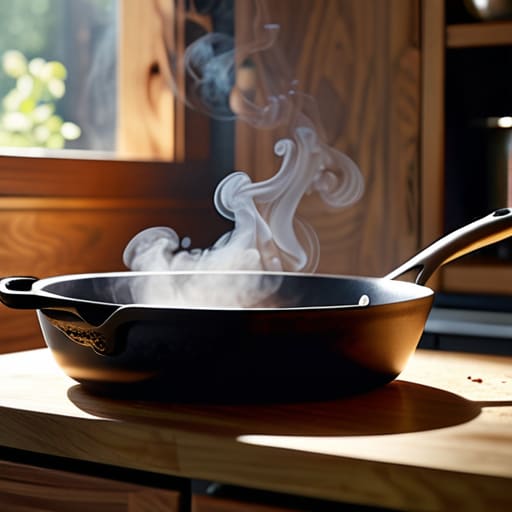
Now, let’s step into the heart of the home: the kitchen. As a former chef, I know this space is where the magic happens, but it’s also a bit of a battlefield when it comes to common indoor air pollutants. Between the heavy sear of a steak and the lingering steam from a boiling pot of pasta, we’re constantly releasing particles into the air. If you’ve ever noticed a greasy film on your cabinets or felt a heaviness in the air after a big Sunday roast, that’s your cue that something is brewing.
We also need to talk about the invisible stuff. Spices, cleaning agents, and even the subtle impact of humidity on air quality can turn your culinary sanctuary into a bit of a haze. High moisture levels from dishwashers or simmering stocks can invite unwanted guests like mold, which definitely isn’t on the menu. Identifying these culprits is the first step toward reclaiming your space. It’s not about being paranoid; it’s about knowing your environment so you can cook with peace of mind and keep your kitchen as fresh as a sprig of garden mint.
Natural Ways to Purify Air for a Soulful Home
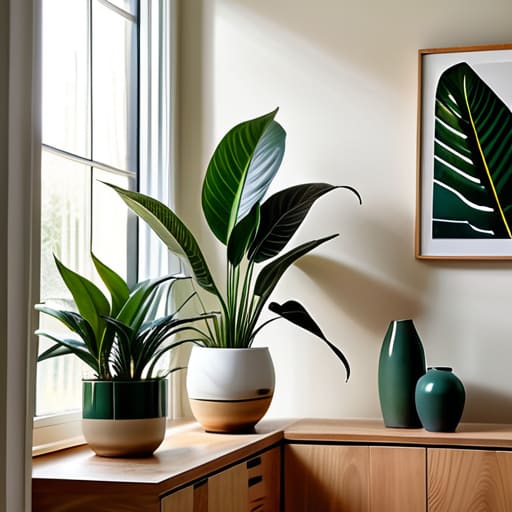
Now, let’s talk about bringing some of that fresh, outdoor magic inside without needing a chemistry degree. One of my favorite natural ways to purify air is through the simple power of greenery. Just like how a well-stocked herb garden elevates a dish, certain houseplants like Snake Plants or Peace Lilies act like living filters for your living space. They don’t just look beautiful on a windowsill; they actively work to scrub the air, helping with reducing household allergens that tend to settle in your rugs and upholstery.
Beyond the greenery, don’t underestimate the power of a good breeze. I always tell my clients that a kitchen needs to breathe just as much as a chef does. Utilizing smart ventilation techniques for homes—like opening windows on opposite sides of the house to create a cross-breeze—is the easiest way to flush out stale air. It’s a bit like letting a heavy sauce simmer down; you need that airflow to keep things from getting too heavy. Pair this with a little mindfulness about your home’s moisture levels, as the impact of humidity on air quality can be huge, and you’ll be well on your way to a much more soulful, breathable sanctuary.
Small Tweaks for a Breathable, Flavorful Kitchen Sanctuary
- Open those windows! I know, I know—it’s tempting to keep the kitchen sealed tight to keep the AC in, but letting a fresh breeze dance through your space is the easiest way to flush out those lingering cooking odors and stale air.
- Upgrade your ventilation game. If you aren’t using your range hood every single time you sear a steak or sauté garlic, you’re missing a huge step; make sure it’s actually venting to the outside to suck up those microscopic grease particles before they settle on your counters.
- Be mindful of your “scent” habit. While I love a good aromatic, heavy scented candles and synthetic plug-ins can actually dump a lot of chemicals into your air; try switching to natural beeswax or just letting the beautiful scent of fresh herbs do the heavy lifting.
- Keep your cleaning supplies “clean.” Many of those heavy-duty degreasers have a punch that’s a little too much for our lungs; I’ve found that a simple mixture of white vinegar and lemon can tackle most messes without making you feel like you need a gas mask.
- Don’t forget the “hidden” dust collectors. Those spice jars, cookbooks, and hanging copper pots are gorgeous, but they’re also magnet for dust; a quick weekly wipe-down keeps the air from getting heavy and ensures your culinary workspace feels as crisp as a fresh salad.
Bringing It All Together: A Recipe for Fresher Air
Treat your kitchen like a professional station; by managing what you cook and how you vent, you’re preventing pollutants from becoming part of your home’s “base recipe.”
Think of air purification as a slow simmer rather than a quick sauté—it takes consistent, small habits like adding greenery and regular cleaning to truly transform your atmosphere.
Don’t let stale air dampen your creative spirit; prioritizing a clean environment is just as essential to your well-being as the nourishing meals you prepare.
Fresh Air, Fresh Perspective
“Just like a kitchen needs a good ventilation system to keep the heavy scents from overpowering the delicate aromas of a fine sauce, your home needs clean air to let your true, vibrant self breathe. When you clear out the stale stuff, you’re not just cleaning a room—you’re setting the stage for a more soulful way of living.”
Amelia Johnson
Bringing it All Together
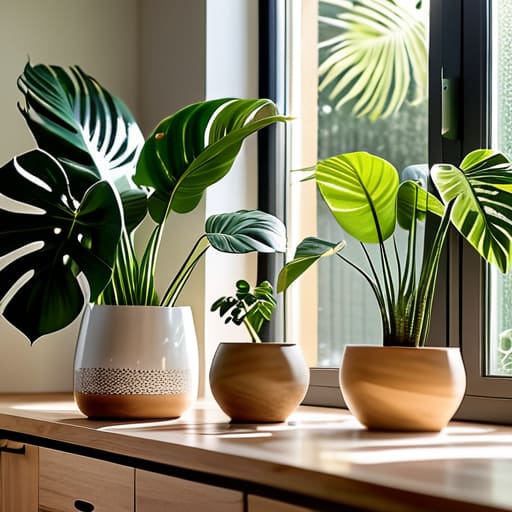
At the end of the day, improving your indoor air quality is a lot like perfecting a signature sauce—it’s all about the balance of ingredients and being mindful of what you’re adding to the mix. We’ve talked about identifying those sneaky kitchen pollutants, from heavy oils to cleaning chemicals, and we’ve explored how bringing in some leafy green companions can act as a natural filtration system for your sanctuary. By making these small, intentional shifts, you aren’t just cleaning the air; you are curating an environment that supports your well-being and allows you to truly thrive in the spaces where you cook, eat, and live.
I know that transitioning to a more mindful lifestyle can feel a bit overwhelming, especially when you’re juggling a million things, but remember that even the smallest tweak can make a massive difference. Think of your home as the ultimate kitchen for your soul; when the atmosphere is fresh and pure, your creativity and energy will naturally follow suit. Don’t feel like you have to overhaul everything overnight—just pick one small step today and start simmering your way toward a healthier, more vibrant life. You’ve totally got this, and I can’t wait to see how your soulful sanctuary transforms!
Frequently Asked Questions
Can using certain natural ingredients or spices actually affect the air quality in my kitchen, or is it mostly just about the ventilation?
That’s a fantastic question! Honestly, it’s a bit of both. While ventilation is your heavy lifter for clearing out smoke and grease, certain spices and ingredients can work their magic in subtle ways. Think of things like cinnamon or citrus peels; they don’t “filter” the air like a machine, but they can help neutralize odors naturally. Just remember, don’t rely on a simmer pot to fix a smoky kitchen—keep that vent fan running!
Are there specific types of indoor plants that are actually effective at scrubbing the air, or are they just pretty decor?
I get this question all the time! Honestly, while most plants are just beautiful kitchen companions, some are true heavy lifters. Think of them like your sous-chefs for air purification. NASA actually studied this, and plants like the Snake Plant, Peace Lily, and Spider Plant are absolute rockstars at scrubbing toxins like formaldehyde from the air. They aren’t just decor; they’re functional tools to help your home breathe a little easier!
Since I love hosting dinner parties, what are some quick ways to refresh the air in my home without using heavy, artificial scents that might ruin the aroma of the food?
Oh, I feel this one deeply! There is nothing worse than a heavy vanilla candle clashing with a delicate truffle risotto. To keep your space fresh without masking your culinary masterpieces, try opening a window for a quick cross-breeze—it’s the ultimate palate cleanser for your home. You can also simmer a pot of water with just a slice of lemon or a sprig of rosemary; it adds a subtle, clean brightness that complements, rather than competes with, your cooking.


Amelia Johnson
I believe that food is not just sustenance but an expression of culture and creativity. Let’s explore how we can turn our culinary passions into rewarding careers that feed both our souls and our wallets.