Batch Cooking for Beginners: Cook Once, Eat All Week
I still remember the frantic, humid chaos of my first professional kitchen in NYC—the clatter of pans, the shouting, and that sinking feeling in my gut when I realized we were completely unprepared for the dinner rush. Back then, I thought “efficiency” meant working harder and faster, but I was wrong. Most of the advice you see online about batch cooking for beginners makes it sound like a chore, involving endless plastic containers and bland, uninspired mush that tastes like cardboard by Wednesday. Honestly? That’s a total waste of your culinary potential.
I’m not here to turn your kitchen into a sterile factory or tell you to spend your entire Sunday staring at a pile of Tupperware. Instead, I want to show you how to approach batch cooking for beginners as a way to reclaim your time without sacrificing the soul of your food. I’m going to share the exact, no-nonsense strategies I use to prep versatile, flavor-packed components that allow you to whip up a gourmet meal in minutes. Let’s stop surviving the week and start actually enjoying the art of eating.
Table of Contents
Mastering Weekly Meal Planning Tips for Culinary Freedom
Mastering Weekly Meal Planning Tips for Culinary Freedom
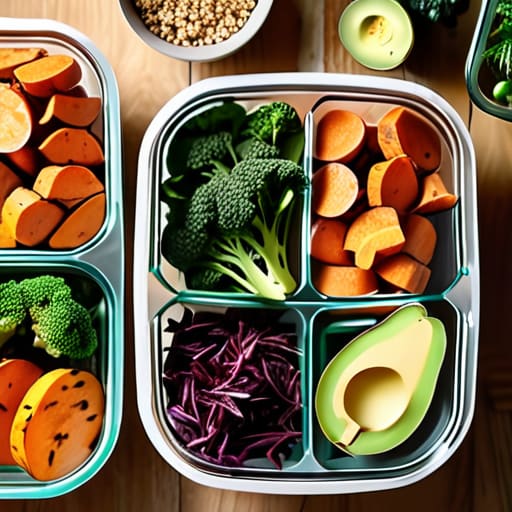
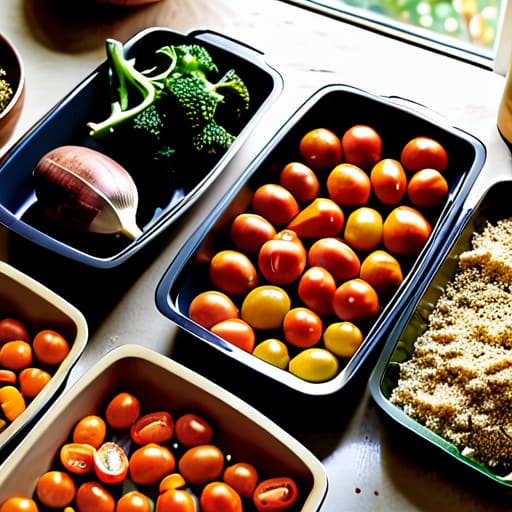
I used to think meal planning meant a rigid, soul-crushing schedule of identical Tupperware boxes, but I’ve learned it’s actually about creating a safety net for your creativity. Instead of planning exact meals, try focusing on batch cooking meal ideas that act as versatile building blocks. Think of it like prepping mise en place in a professional kitchen; if you have a big batch of roasted seasonal vegetables, a protein, and a flavorful grain ready to go, you can pivot from a Mediterranean bowl on Tuesday to a hearty grain salad on Wednesday without breaking a sweat.
The real secret to staying sane is investing in quality tools that make the process feel like a ritual rather than a chore. I always tell my clients that getting the right meal prep containers for storage is a game-changer—look for glass options that go from oven to table to keep things feeling fresh and elevated. Once you have your components prepped, you aren’t just saving time; you’re reclaiming your evening freedom, allowing you to actually savor the flavors you’ve worked so hard to create.
Budget Friendly Meal Prepping to Fuel Your Passion
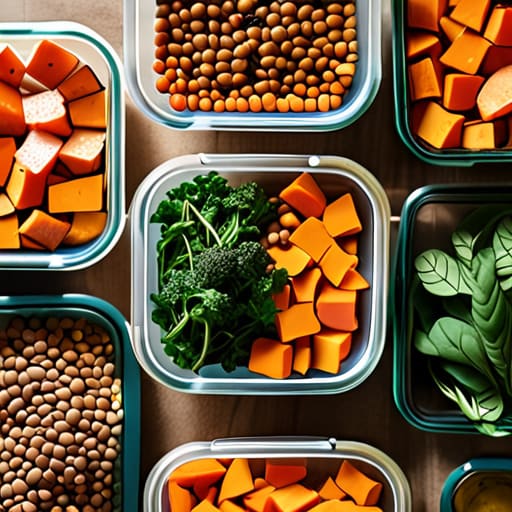
Let’s be real for a second: the biggest barrier between us and our culinary dreams is often the bottom line. When I was working those grueling double shifts in NYC, my bank account took as much of a beating as my feet did. But I learned early on that budget friendly meal prepping isn’t about deprivation; it’s about being a smart, resourceful chef in your own kitchen. Instead of reaching for expensive, pre-packaged convenience foods, I started looking at seasonal produce and bulk grains as my canvas. By focusing on versatile staples like lentils, sweet potatoes, or seasonal greens, you can create high-impact flavors without the high-end price tag.
The secret to making this work long-term is all in the organization. I’m a huge advocate for investing in high-quality meal prep containers for storage—it’s much easier to stay inspired when your colorful, prepped ingredients look like a professional mise en place rather than a messy afterthought. If you find yourself with an abundance of ingredients, don’t hesitate to dive into a freezing cooked meals guide to ensure nothing goes to waste. Think of it as building your own personal pantry of delicious, ready-to-go solutions.
Five Pro-Tips to Keep Your Kitchen Flowing and Your Spirit High
- Don’t try to cook a ten-course tasting menu on your first Sunday. Start small by prepping one versatile base—like a big batch of roasted seasonal veggies or a hearty grain—that can pivot from a Buddha bowl on Monday to a warm grain salad on Wednesday.
- Invest in quality glass containers. I know, I know, it feels like another thing to buy, but trust me: glass keeps your food tasting fresh and vibrant rather than “reheated,” and it makes the transition from fridge to oven so much smoother.
- Embrace the “Component Method” over the “Full Meal Method.” Instead of boxing up identical portions of spaghetti, prep individual components like a killer marinara, perfectly al dente noodles, and sautéed mushrooms. This prevents that dreaded “leftover fatigue” and lets you assemble different flavor profiles throughout the week.
- Season in layers, but hold back on the final touch. When you’re batch cooking, prep your ingredients with foundational flavors like garlic, shallots, or olive oil, but save the fresh herbs, citrus zest, or that little kick from my spice kit for the actual moment of serving. It’s the difference between a meal that tastes “prepped” and one that tastes “just made.”
- Make a “Cleaning Ritual” part of your prep. There is nothing more soul-crushing than finishing a beautiful cooking session only to face a mountain of crusty pots. Clean as you go, or better yet, clear the decks entirely before you sit down to eat. You want your kitchen to feel like a sanctuary, not a chore list.
Small Wins for Big Culinary Success
Don’t try to overhaul your entire kitchen overnight; start by prepping just one or two versatile components—like a roasted seasonal veggie or a signature vinaigrette—to build your confidence without the burnout.
View your prep sessions as a creative laboratory rather than a chore, using the time to experiment with those spices in my purse and find new ways to make your favorite base ingredients sing.
Invest in quality containers that actually make you want to open the fridge, because when your food looks as good as it tastes, you’re much more likely to stick to your nourishing habits.
The Heart of the Prep
“Think of batch cooking not as a chore or a rigid set of rules, but as a gift you give your future self—a way to prep your canvas with vibrant, soulful ingredients so that when life gets chaotic, you still have the space to create something delicious.”
Amelia Johnson
From Prep Work to Culinary Freedom
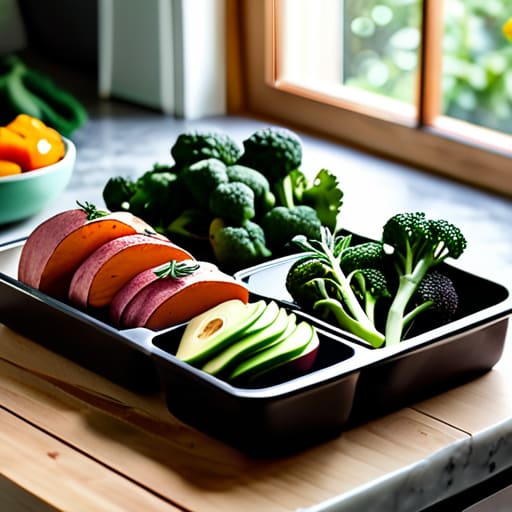
At the end of the day, batch cooking isn’t about turning your kitchen into a sterile assembly line; it’s about building a foundation that supports your lifestyle. We’ve covered how strategic weekly planning can give you back your precious time, and how smart, budget-friendly prepping allows you to invest in higher-quality ingredients without breaking the bank. By mastering these basics, you aren’t just checking boxes on a to-do list—you are curating a sustainable rhythm that prevents burnout and keeps your relationship with food positive. Remember, the goal is to use these systems to work smarter, not harder, so your kitchen remains a place of joy rather than a source of stress.
As you step into your kitchen this week, I want you to remember that every container you prep is a gift to your future self. Whether you’re a seasoned home cook or just starting to find your footing, don’t be afraid to experiment and adjust your methods as you go. Cooking is a journey of constant refinement, much like my transition from the high-pressure lines of NYC to the creative world of consulting. Trust your palate, embrace the process, and let your culinary passion fuel both your body and your career. You’ve got the tools; now, go out there and make something delicious!
Frequently Asked Questions
How do I keep my batch-cooked meals from tasting like "leftovers" by the time Thursday rolls around?
The “leftover blues” are real, but they aren’t inevitable! The secret is to prep components rather than finished dishes. Instead of making a massive tray of lasagna, roast a batch of versatile veggies, cook a hearty grain, and prep a killer protein. By assembling these “building blocks” fresh each night, you’re basically cooking a new meal every time. It keeps the textures vibrant and the flavors bright, so Thursday feels like a feast, not a chore.
Is it better to prep entire complete meals in advance, or should I just focus on prepping versatile components like grains and proteins?
Honestly? I’m a huge advocate for the “component method.” While there’s something comforting about a fully assembled meal, prepping versatile building blocks like roasted sweet potatoes, seasoned proteins, and a big batch of quinoa gives you way more creative freedom. It prevents that “leftover fatigue” we all dread. Think of it like having a pantry of ready-to-go flavors—you can pivot from a Mediterranean bowl one night to a spicy grain salad the next!
What are your go-to storage hacks to ensure my ingredients stay fresh and vibrant throughout the week?
Trust me, nothing kills your culinary momentum faster than a wilted head of basil or mushy herbs. My golden rule? Treat your aromatics like royalty! Keep herbs like cilantro or parsley in a glass of water, just like a bouquet. For veggies, I swear by lining your containers with a dry paper towel to soak up excess moisture—it’s a total game-changer for crispness. And don’t forget: airtight is your best friend!


Amelia Johnson
I believe that food is not just sustenance but an expression of culture and creativity. Let’s explore how we can turn our culinary passions into rewarding careers that feed both our souls and our wallets.