
How to Set Career Goals You’ll Actually Reach
Ever sat in a bustling kitchen, mid-service, and wondered if you’re actually heading somewhere, or just running in circles? I’ve been there—standing over a steaming sauté pan in a high-pressure NYC line, feeling like I was working incredibly hard but lacking a real sense of direction. It’s easy to get lost in the daily grind of prep lists and dinner rushes, but without a clear roadmap, you’re just cooking without a recipe. Finding the right career goals examples is the secret ingredient to making sure your hard work actually leads to that dream promotion or a more sustainable lifestyle, rather than just burnout.
In this post, I’m breaking down five specific paths that can help you transition from just “having a job” to building a true legacy. We’re going to dive into everything from mastering technical culinary skills to the more business-minded side of the industry, like menu engineering and operational consulting. By the time you finish reading, you’ll have a clearer vision of how to align your creative passion with your professional ambitions, ensuring your career feeds both your soul and your bank account.
Table of Contents
Mastering the Art of the Menu
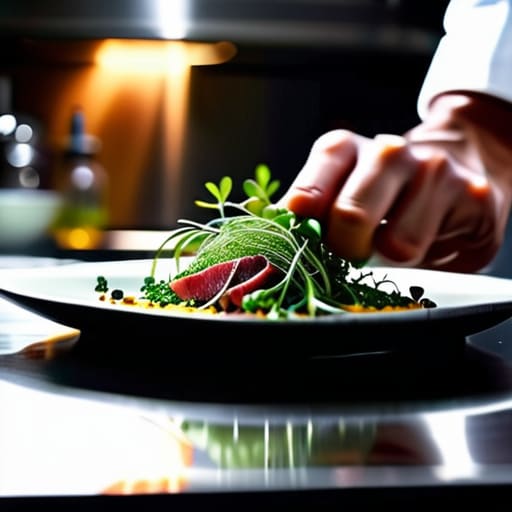
If you’re currently working the line or prepping in a busy kitchen, one of the most rewarding goals you can set is transitioning from following recipes to designing them. Moving from a line cook to a Sous Chef or Head Chef isn’t just about working faster; it’s about understanding the soul of the menu. I remember when I first started trying to balance acidity and fat on a plate—it felt like magic, but it actually took months of trial, error, and a lot of tasting.
The Pivot to Culinary Consulting

There comes a point in many of our careers where the heat of the kitchen starts to feel a little too intense, and that’s perfectly okay. One incredible career goal is to transition into culinary consulting, much like I did. This path allows you to take all that “in the trenches” experience and use it to help others fix their broken systems, refine their menus, or even launch new concepts. It’s about moving from the execution of food to the optimization of the entire business.
Building Your Personal Food Brand

We live in a digital age where your talent shouldn’t just be hidden behind a kitchen door; it can be a global sensation. A fantastic goal for the modern foodie is to build a personal brand through content creation, whether that’s a niche cooking blog, a YouTube channel, or a highly curated Instagram. I’ve seen so many talented chefs find massive success by sharing their unique perspectives—like my obsession with street food—with a hungry online audience.
Specializing in Niche Culinary Arts
Sometimes, the best way to climb the ladder is to step onto a different one entirely. Instead of aiming for a generic Executive Chef role, consider setting a goal to become a specialized expert in a specific niche. This could be anything from artisanal sourdough baking and pastry arts to high-end molecular gastronomy or even specialized nutrition for athletes. Specialization often leads to higher earning potential because you become the “go-to” person for that specific craft.
Scaling from Kitchen to Ownership
For the true entrepreneurs among us, the ultimate goal is often moving from the employee mindset to the owner mindset. This isn’t just about opening a restaurant—though that’s a beautiful dream—it’s about understanding the entire ecosystem of food hospitality. It means moving from managing a station to managing a business entity. It’s a massive leap, but it’s where you truly get to express your culinary philosophy without compromise.
The Secret Sauce for Your Culinary Success
Don’t just aim for a title; aim for a mix of skills that keeps your career flavorful and resilient, much like a well-balanced reduction.
Treat your career goals like a seasonal menu—keep them ambitious and exciting, but always make sure they’re grounded in what’s actually sustainable for your lifestyle.
Remember that professional growth isn’t a sprint to the finish line, it’s a slow simmer; give yourself the grace to master one technique before rushing to the next big promotion.
The Secret Ingredient to Your Success
Setting career goals isn’t about following a rigid, pre-written menu; it’s about deciding exactly what kind of flavor you want to leave on the world and then sourcing the right ingredients to make it happen.
Amelia Johnson
From Vision to Victory
Looking back at these five paths, it’s clear that there isn’t just one way to serve up a successful life in this industry. Whether you’re aiming to master the technical precision of a Sous Chef, transition into the strategic world of food consulting like I did, or perhaps launch your own niche catering brand, the common thread is intentionality. You can’t just wander into a kitchen and hope for the best; you have to treat your professional growth like a carefully curated tasting menu. By setting specific, measurable goals—whether they are about mastering a new cuisine or hitting a certain revenue milestone—you ensure that you aren’t just working hard, but you’re actually building a legacy that lasts.
At the end of the day, please remember that your career is a marathon, not a sprint, and it’s perfectly okay if your recipes change along the way. I’ve had many seasons where I thought I knew exactly what I wanted, only to find that a new passion was simmering just beneath the surface. Don’t be afraid to adjust your seasoning as you go. Trust your palate, stay hungry for knowledge, and always keep that inner fire burning bright. You have the talent and the drive to turn your culinary dreams into something truly delicious. Now, go out there and make it happen!
Frequently Asked Questions
How do I balance my creative culinary dreams with the practical need to actually make a living?
Think of it like balancing a delicate emulsion: you need both fat and acid to make it work. If you go all-in on the “starving artist” creative dream, you’ll burn out; if you only chase the paycheck, you’ll lose your spark. My advice? Build a “bridge” career. Use a stable role to fund your passion projects, like a pop-up or a niche catering gig. Let your day job pay the bills while your side hustle builds your brand.
Is it okay to change my career direction entirely if I realize my initial kitchen goals aren't making me happy anymore?
Oh, honey, I’ve been exactly where you are. I remember staring at a line of orders in a sweltering NYC kitchen and realizing that while I loved the food, the lifestyle was draining my soul. Listen: your career isn’t a fixed recipe; it’s more like a sauce that needs adjusting. If the flavors aren’t working, you pivot. Changing direction isn’t failure—it’s refining your craft. You can take those kitchen skills and find a new, delicious path.
How can I start setting these goals if I feel totally overwhelmed by the sheer number of options in the food industry?
Deep breaths—I’ve been there, staring at a massive prep list and feeling like I’m about to drown. When the industry feels like an endless buffet, don’t try to eat everything at once. Start with a “tasting menu” approach: pick just one small, manageable area that excites you right now—maybe it’s mastering a specific technique or learning food costing. Focus on that one ingredient first; the rest of the recipe will follow.


Amelia Johnson
I believe that food is not just sustenance but an expression of culture and creativity. Let’s explore how we can turn our culinary passions into rewarding careers that feed both our souls and our wallets.