How to Make Better Coffee at Home Than Your Cafe
I still remember the frantic, high-pressure mornings in my first NYC kitchen, where the smell of burnt espresso and the roar of the industrial steamer felt more like a battleground than a breakfast. I used to think that learning how to make coffee at home required a thousand-dollar machine and a degree in fluid dynamics just to avoid that bitter, scorched aftertaste. But honestly? Most of the high-end gear marketed to us is just expensive noise designed to make you feel like you aren’t “pro” enough to brew a decent cup.
I’m not here to sell you a lifestyle or a fancy gadget that will just collect dust on your counter. Instead, I want to pull back the curtain and share the practical, chef-tested techniques that actually matter. We’re going to strip away the pretension and focus on the fundamentals—flavor, temperature, and technique—so you can master how to make coffee at home with confidence. My goal is to help you turn your morning caffeine fix into a soul-filling ritual that tastes better than any overpriced cafe latte.
Table of Contents
Sourcing Soulful Flavors With Freshly Ground Coffee Beans
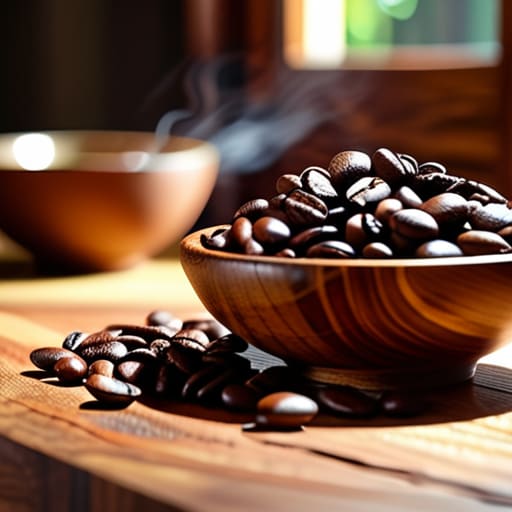
If there is one thing my time in high-pressure NYC kitchens taught me, it’s that your ingredients are your foundation. You wouldn’t dream of making a signature reduction with subpar stock, so why settle for pre-ground dust when it comes to your morning cup? The secret to truly improving coffee flavor profile starts long before the water hits the grounds; it begins with the bean itself. I always tell my clients that hunting for high-quality, ethically sourced beans is much like foraging for seasonal produce—it’s about finding that specific terroir that speaks to you.
Once you’ve found your magic beans, don’t let them sit in a container for weeks. To get that vibrant, aromatic punch, you absolutely need to use freshly ground coffee beans right before you brew. There is something almost meditative about the ritual of grinding—the scent filling the kitchen is like a sensory wake-up call. Whether you eventually decide on a pour over vs french press approach, the freshness of your grind is what will bridge the gap between a mediocre caffeine fix and a truly soulful culinary experience.
Finding Your Rhythm a Coffee Brewing Equipment Guide
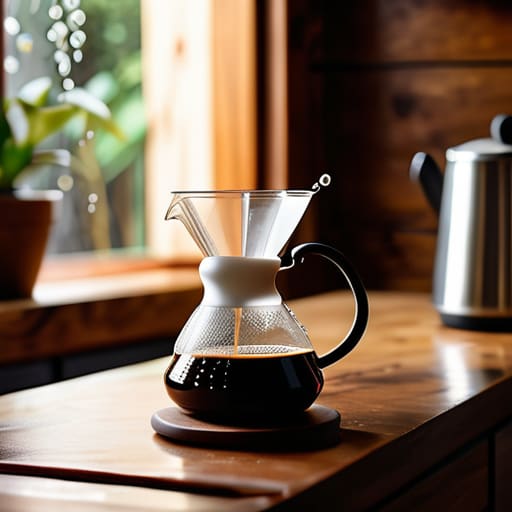
Once you’ve secured those gorgeous beans, it’s time to talk gear. Honestly, walking into a kitchen supply store can feel a bit like being a kid in a candy shop—except instead of sugar, you’re surrounded by stainless steel and glass. My first piece of advice? Don’t feel pressured to buy every gadget on the shelf. This coffee brewing equipment guide is less about spending a fortune and more about finding the tools that match your morning energy. If you’re someone who loves a slow, meditative start to the day, a pour-over setup is your best friend. It’s rhythmic, intentional, and lets you really focus on the nuances of the brew.
On the flip side, if you’re more of a “hit snooze three times” kind of person, you might prefer the rugged simplicity of a French press. When weighing pour over vs french press, it really comes down to texture; the press gives you a heavy, velvety body, while the pour-over offers a crisp, clean finish. Regardless of your choice, remember that your equipment is just a vessel for your creativity. Whether you’re using a high-end gooseneck kettle or a simple drip machine, the goal is to create a ritual that feels uniquely yours.
Master the Craft: 5 Little Secrets for a Better Brew
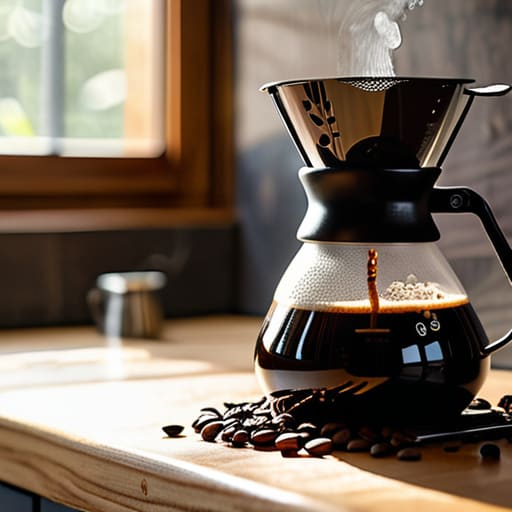
- Don’t let your water be a stranger to your coffee. Since a cup of coffee is about 98% water, using filtered water isn’t just a suggestion—it’s the difference between a bright, vibrant cup and one that tastes like a swimming pool.
- Temperature is everything, and I mean everything. If you’re pouring boiling water straight off the stove onto your grounds, you’re going to scorch them and end up with a bitter mess. Aim for that sweet spot between 195°F and 205°F to let those delicate flavor notes actually sing.
- Treat your measurements like a professional recipe. Eyeballing your coffee-to-water ratio is a recipe for inconsistency. Grab a cheap digital scale and start weighing your beans and water in grams; it’s the only way to ensure your “perfect” cup tastes exactly the same every single morning.
- Watch your grind size like a hawk. If your coffee tastes sour and thin, your grind is likely too coarse; if it’s unpleasantly bitter and heavy, you’ve gone too fine. Think of it like seasoning a dish—you have to find the right texture to unlock the soul of the bean.
- Give your equipment the love it deserves. I’ve seen so many talented home baristas struggle simply because their carafe or French press was coated in old, rancid coffee oils. A quick, thorough clean after every use ensures that the only thing you’re tasting is the fresh roast, not last week’s leftovers.
Bringing the Café Experience into Your Kitchen
Don’t view brewing as a chore; treat it like a morning ritual that allows you to practice mindfulness and culinary creativity before the day even starts.
Quality is everything—investing in fresh, whole beans and the right gear isn’t just about the caffeine hit, it’s about honoring the craft of the bean.
Experimentation is your best friend, so don’t be afraid to tweak your ratios or grind sizes until you find the flavor profile that truly speaks to you.
## The Magic in the Mug
“Making coffee at home isn’t just about caffeine; it’s your first daily opportunity to step into the role of creator, turning a handful of beans and a splash of hot water into a masterpiece that fuels your soul.”
Amelia Johnson
Pouring Your Heart Into Every Cup
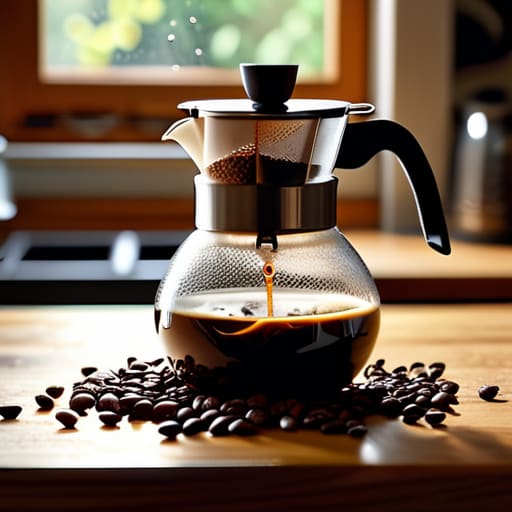
At the end of the day, mastering your home brew is about more than just following a recipe; it’s about the synergy between high-quality beans and the tools you choose to bring them to life. We’ve talked about the importance of sourcing those soulful, freshly roasted beans and finding the specific equipment that fits your personal morning rhythm. Whether you’re a die-hard pour-over enthusiast or someone who finds peace in the slow drip of a French press, remember that consistency comes from practice, not perfection. Once you have your foundation set, you can stop worrying about the technicalities and start focusing on the sensory magic that happens when the water hits the grounds.
As you step into your kitchen tomorrow morning, I want you to view that coffee maker not as another appliance, but as a gateway to a daily moment of creative expression. In the fast-paced world of professional kitchens, I learned that the most profound joy often comes from these small, intentional rituals. Don’t be afraid to experiment, to tweak your grind, or to try a new roast that catches your eye. Your morning coffee is your canvas, and every cup is a chance to reclaim your calm and fuel your passion. So, go ahead—grab your favorite mug, take a deep breath, and brew something beautiful.
Frequently Asked Questions
I've got the beans and the gear, but how do I actually know if my water temperature or grind size is messing up the flavor?
Think of it like seasoning a dish—it’s all about the balance! If your coffee tastes unpleasantly sour or salty, your grind is likely too coarse or your water’s too cool; you’re under-extracting. If it’s biting, bitter, or leaves a dry feeling on your tongue, you’ve gone too fine or the water’s too hot. Trust your palate! Treat every cup like a tiny tasting session to find that “Goldilocks” zone of perfection.
Is it actually worth the extra effort to switch to a subscription service for specialty beans, or can I just stick to my local grocery store?
Honestly? It depends on your “why.” If you’re just looking for a caffeine kick to survive Monday, the grocery store is fine. But if you want to treat coffee like the culinary adventure it is, a subscription is a total game-changer. You’re not just buying beans; you’re getting a curated passport to different farms and flavor profiles you’ll never find on a supermarket shelf. It’s an investment in your daily ritual!
I’m a total beginner—should I start with a simple French Press, or is it worth investing in a pour-over setup right away?
Honestly, don’t overthink it! If you’re just starting out, I’d say grab a French Press. It’s forgiving, incredibly easy to clean, and gives you that rich, heavy body that feels like a warm hug in a mug. Pour-overs are gorgeous and precise, but they require a bit of a learning curve with technique. Start with the French Press to find your groove, then upgrade your kit once you’re ready to play with more variables!


Amelia Johnson
I believe that food is not just sustenance but an expression of culture and creativity. Let’s explore how we can turn our culinary passions into rewarding careers that feed both our souls and our wallets.