How to Make Your Home Smell Amazing (naturally)
I still remember my first week as a line cook in a high-pressure NYC bistro; the air was a thick, heavy fog of burnt garlic, old grease, and something I can only describe as culinary despair. I used to think that the only way to tackle a funky kitchen was to drown everything in cheap, synthetic floral sprays that just ended up smelling like a bouquet of chemicals fighting a grease fire. But let’s be real: masking a scent isn’t the same as solving a problem, and if you’re looking for how to get rid of household odors without turning your sanctuary into a perfume factory, you are in the right place.
I’m not here to sell you on overpriced “scent neutralizing” gadgets or some magic candle that promises the moon. Instead, I’m going to share the no-nonsense, chef-tested methods I’ve used to keep professional kitchens—and my own home—smelling fresh and inviting. We are going to dive into the science of scent and the practical, low-cost habits that actually work. Let’s reclaim your space so you can get back to the pure joy of cooking without the lingering ghosts of last night’s salmon.
Table of Contents
- Neutralizing Kitchen Odors to Restore Your Creative Workspace
- Baking Soda Odor Absorption for a Fresh Cooking Canvas
- Beyond the Basics: My Pro-Tips for a Scent-Neutral Sanctuary
- Chef’s Notes: Keeping Your Culinary Sanctuary Fresh
- The Sensory Connection
- Reclaiming Your Culinary Sanctuary
- Frequently Asked Questions
Neutralizing Kitchen Odors to Restore Your Creative Workspace
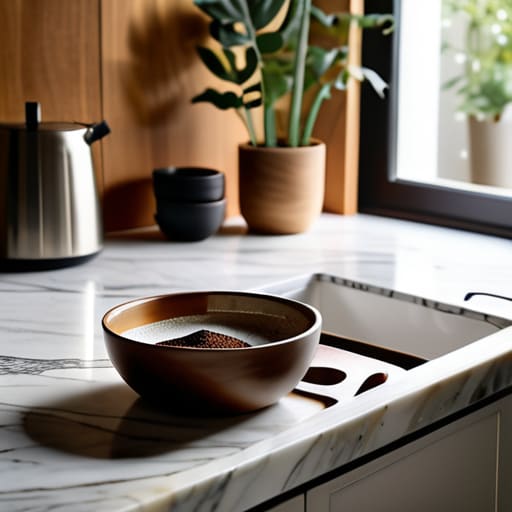
If you’ve ever spent a long weekend experimenting with fermented foods or a heavy garlic sauté, you know that smells can linger long after the plates are cleared. As someone who spent years in high-pressure professional kitchens, I can tell you that a stale-smelling workspace is a total creativity killer. To truly reclaim your zone, you need to focus on neutralizing kitchen odors at their source rather than just masking them with a heavy floral spray. I always swear by a little trick I learned back in culinary school: keeping a small bowl of white vinegar or even some coffee grounds on the counter overnight. They act like little sponges for those stubborn, lingering scents.
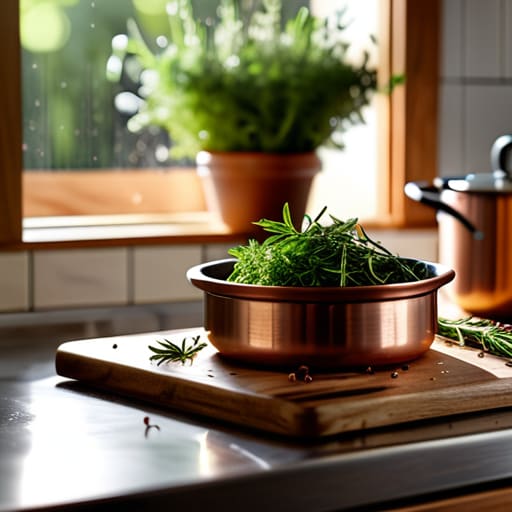
For a more proactive approach, I’m a huge fan of a simple natural air freshener DIY using citrus peels and rosemary simmered in a pot of water. It fills the room with a bright, herbaceous aroma that feels much more “chef-inspired” than anything in a can. If you have a furry sous-chef at home, you might also find yourself tackling eliminating pet smells in the house alongside your cooking aromas. A quick sprinkle of baking soda on your rugs can work wonders for keeping everything feeling fresh and ready for your next culinary masterpiece.
Baking Soda Odor Absorption for a Fresh Cooking Canvas

If there’s one thing my time in high-pressure NYC kitchens taught me, it’s that you can’t cook a masterpiece if your senses are being assaulted by a lingering scent from last night’s garlic shrimp. When I’m not consulting for restaurants, I rely heavily on one of my favorite pantry staples for baking soda odor absorption. It’s essentially the “mise en place” of cleaning; it’s simple, effective, and always ready to go. Instead of reaching for those synthetic, chemical-heavy sprays that make my head spin, I love using baking soda as a natural air freshener DIY that actually works without masking the problem.
To get started, just grab a small, shallow bowl and fill it with a generous amount of baking soda. Place it in a corner of your pantry or near your prep station, and let it do its magic overnight. It works by pulling those pesky molecules right out of the air rather than just layering perfume on top of them. If you’re dealing with something a bit more stubborn, like a spilled sauce or a lingering scent in a rug, you can even lightly sprinkle it over the area before vacuuming. It’s all about creating a clean slate so you can focus on the aromas that actually matter.
Beyond the Basics: My Pro-Tips for a Scent-Neutral Sanctuary
- Harness the Power of Simmer Pots: When a heavy meal leaves a lingering scent of garlic or oil, skip the heavy sprays and grab a small pot. Simmer some lemon slices, a sprig of rosemary, and a dash of vanilla in water on the stove. It’s like a gentle hug for your senses that cleans the air without that chemical aftertaste.
- Let Your Textiles Breathe: We often forget that our soft furnishings—curtains, throw pillows, and even rugs—act like giant sponges for kitchen aromas. Give them a quick refresh with a light dusting of baking soda or, better yet, toss your linens in the wash with a splash of white vinegar to strip away those trapped molecules.
- The Coffee Bean Trick: If you have a stubborn scent stuck in a pantry or near your coffee station, place a small bowl of fresh coffee grounds nearby. They are incredible natural deodorizers that absorb odors while adding a subtle, cozy aroma that feels much more intentional than a synthetic air freshener.
- Check Your Hidden Damp Spots: As someone who’s spent years in professional kitchens, I know that moisture is the enemy of freshness. A damp dishcloth or a forgotten vegetable in the back of the crisper drawer can wreak havoc on your home’s vibe. Keep things dry, and if you find a rogue onion, toss it out immediately!
- Optimize Your Airflow Strategy: Sometimes, the best solution is just a little bit of movement. Open your windows to create a cross-breeze; it’s the most effective way to flush out the “cooking ghosts” of yesterday’s dinner. Fresh air is the ultimate reset button for your culinary workspace.
Chef’s Notes: Keeping Your Culinary Sanctuary Fresh
Treat your kitchen like a professional station; neutralizing odors isn’t just about cleaning, it’s about clearing the sensory clutter so you can actually smell the nuances of your ingredients.
Think of baking soda as your pantry’s unsung hero—it’s a low-cost, high-impact tool that acts like a sponge for smells, giving you a clean slate for your next big recipe.
Don’t let lingering scents dampen your creative spirit; a fresh-smelling workspace is the foundation of a joyful, inspired cooking experience.
The Sensory Connection
“Think of your home like a well-balanced reduction; if one heavy, lingering scent overpowers the others, you lose the nuance of the entire experience. Clearing out those stale odors isn’t just about cleaning—it’s about resetting your palate and reclaiming the sensory headspace you need to actually enjoy the magic you’re creating in your kitchen.”
Amelia Johnson
Reclaiming Your Culinary Sanctuary
At the end of the day, tackling those stubborn scents is about much more than just a clean house; it’s about maintaining the integrity of your environment. We’ve looked at how neutralizing specific kitchen culprits and utilizing the gentle power of baking soda can act as a reset button for your space. By being intentional with how you manage odors—whether through strategic ventilation or natural absorption—you ensure that the only thing hitting your senses is the incredible aroma of a perfectly seasoned braise or a fresh herb garnish. Don’t let a lingering garlic ghost or a funky fridge scent distract you from the artistry happening on your stovetop.
As you move forward, I want you to remember that your kitchen is your sanctuary, the place where your creativity takes flight and your culture comes alive. A fresh, clean-smelling space isn’t a luxury; it is the foundation upon which you build your culinary confidence. Treat your home with the same respect you give your ingredients, and you’ll find that your passion for cooking only grows stronger. So, grab your apron, clear the air, and get ready to cook with pure intention. You have the tools, the talent, and now, the perfect atmosphere to create something truly delicious.
Frequently Asked Questions
Are there any natural essential oils I can use to scent my kitchen without overwhelming my senses while I'm cooking?
Oh, I love this question! As someone who lives for aromatics, I totally get the struggle. You want a fresh vibe, but you don’t want your lemon zest pasta tasting like a spa day. Stick to citrus oils like sweet orange or grapefruit; they’re bright, clean, and actually complement cooking. A tiny drop of rosemary is also a winner. Just avoid heavy florals like jasmine—they’ll clash with your sauté pan and totally mess with your palate!
How often should I actually be deep-cleaning my trash bins and drains to prevent those stubborn, recurring smells?
Think of your bins and drains like a busy service station—if you don’t clear the station, the whole line slows down. To keep those funk-inducing bacteria at bay, I recommend a deep scrub of your trash bins once a week, ideally right after your big grocery haul or trash pickup. For drains, a quick refresh with boiling water and baking soda once a week should keep things flowing smoothly. Don’t wait for the smell to hit you!
Can I use certain spices or pantry staples to help absorb odors in my fridge without making my food taste like them?
Absolutely! Think of your fridge like a delicate reduction; you want to pull out the bad notes without altering the base. Activated charcoal is a superstar here, but if you’re sticking to the pantry, a small bowl of dry coffee grounds or even a bit of plain white vinegar works wonders. Just keep them in an open container away from your produce. It’s all about absorbing those rogue scents so your ingredients stay pure!


Amelia Johnson
I believe that food is not just sustenance but an expression of culture and creativity. Let’s explore how we can turn our culinary passions into rewarding careers that feed both our souls and our wallets.