Beginner Woodworking Projects You Can Finish in a Weekend
You know, after years of running high-pressure kitchens, I’ve realized that the transition from working with a chef’s knife to a woodworking chisel isn’t as big a leap as you might think. There is something incredibly therapeutic about taking raw, unrefined materials and shaping them into something beautiful—it’s a lot like balancing a complex sauce or perfecting a sourdough starter. However, I often hear from aspiring creators who feel completely paralyzed by the sheer amount of expensive machinery and complex techniques required to get started. They want to create, but they don’t know how to tackle those first beginner woodworking projects without feeling like they’re about to ruin a perfectly good piece of oak.
I want to take that intimidation factor and toss it right out the window! In this guide, I’ve handpicked five specific projects designed to help you find your rhythm and build your confidence from the ground up. We aren’t going for anything overly complicated or soul-crushing; instead, we’re focusing on projects that yield high-impact results with minimal stress. By the time we’re done, you’ll have a roadmap to turn a pile of lumber into tangible expressions of your creativity that you can actually use in your home.
Table of Contents
The Rustic Charcuterie Board
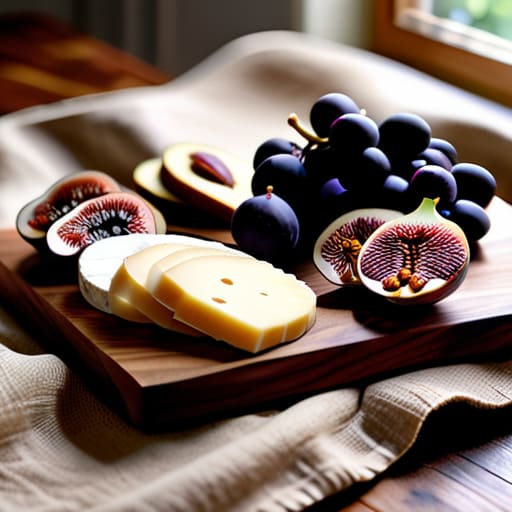
If there is one thing I learned from my years in professional kitchens, it’s that presentation is everything. A beautifully crafted charcuterie board isn’t just a piece of wood; it’s the canvas for your culinary creativity. Starting with a simple slab of walnut or maple allows you to practice the fundamentals of sanding and finishing without getting bogged down in complex joinery. It’s much like mastering a basic vinaigrette—once you get the foundation right, the possibilities are endless.
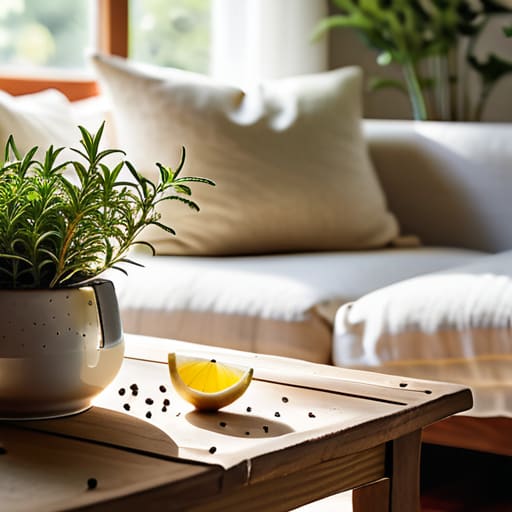
Handcrafted Herb Planters
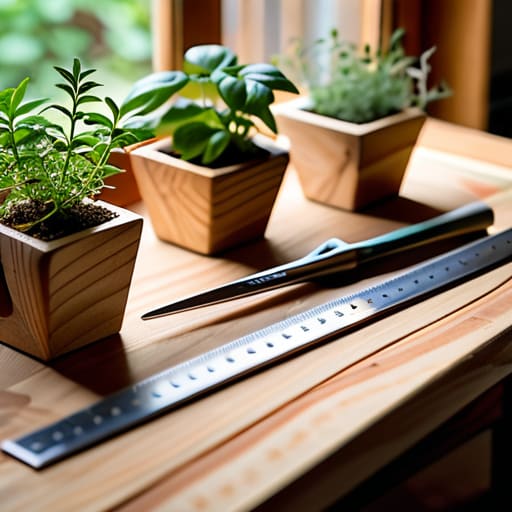
As someone who grew up in Vermont, I have a deep appreciation for the connection between the earth and our plates. Building a small set of herb planters is the perfect way to bridge that gap while honing your ability to measure and cut straight lines. Think of this project as your culinary mise en place; you are setting the stage for future flavors by creating a home for your basil, rosemary, and thyme.
The Minimalist Floating Shelf
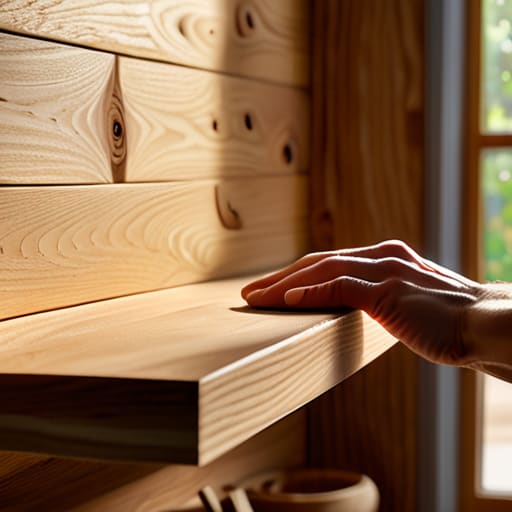
In the restaurant world, we talk a lot about “functional aesthetics”—things that look beautiful but serve a vital purpose. A floating shelf is the woodworking equivalent of a well-organized spice rack. It’s a fantastic way to practice working with mounting hardware and ensuring your levels are dead on. It might feel a little intimidating to attach something to your wall, but I promise, the sense of accomplishment is pure magic.
A Custom Cutting Board
Now, I know what you’re thinking—isn’t this similar to the charcuterie board? Yes, but the stakes are a little higher here because this is your workhorse of the kitchen. While a charcuterie board is for show, a cutting board needs to be sturdy, flat, and incredibly durable. This project will teach you the importance of wood glue and clamping pressure, which is much like learning how to control heat in a pan.
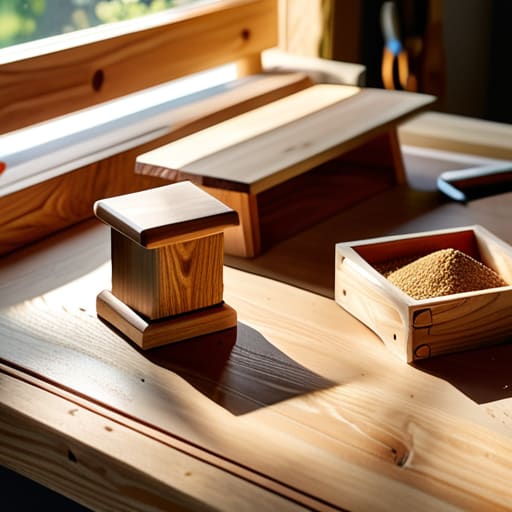
The Artisan Salt Cellar
In my professional life, I’ve learned that the smallest details often make the biggest impact. A small salt cellar is a tiny, manageable project that focuses on the art of the container. It’s a great way to experiment with slightly more intricate shapes or even a small lid, much like perfecting the delicate plating of a micro-green garnish. It’s small, it’s sweet, and it’s completely approachable.
Bringing the Heat to Your New Craft
Don’t be afraid to mess up your first few “dishes”—just like a sauce that breaks or a soufflé that falls, every mistake in the workshop is just a lesson in flavor for your future masterpieces.
Start small and focus on your foundational “ingredients,” because mastering the basics of your tools is what allows you to eventually whip up something truly spectacular and complex.
Treat your woodworking journey like a slow-simmered stew; give yourself the grace and time to develop your skills, and remember that the most rewarding results come from patience and a little bit of soul.
The Secret Ingredient in Every Project
“Think of your first woodworking project just like a signature recipe: it’s not about achieving Michelin-star perfection on day one, but about getting your hands dirty, learning the rhythm of your tools, and discovering how raw materials can eventually feed your creative soul.”
Amelia Johnson
From Sawdust to Soulful Creations
Looking back at these five projects, it’s easy to see how they all share a common thread: they are the “starter recipes” of the woodworking world. Whether you’ve been sanding down a simple herb planter or assembling a rustic spice rack—which, trust me, is a total game-changer for any kitchen—you’ve already laid the groundwork for something much bigger. Each cut you make and every grain you smooth out is just like mastering a mother sauce; it’s about building that foundational muscle memory that allows you to eventually improvise and create your own culinary-inspired masterpieces. You’ve moved past the fear of the tools and started focusing on the beauty of the medium itself.
As you hang up your apron and pick up your chisel, I want you to remember that perfection is overrated. In my kitchens, the most beautiful dishes often had a bit of character, a little imperfection that told a story of passion and heat. Woodworking is exactly the same. Don’t let a slightly crooked joint or a stray splinter discourage you from your next big idea. Instead, view every mistake as a flavor profile you haven’t mastered yet. Keep experimenting, keep getting your hands dirty, and most importantly, keep feeding that creative hunger that brought you to this workbench in the first place. I can’t wait to see what you build next!
Frequently Asked Questions
I don't have a massive workshop; can I actually get decent results using just a few basic hand tools?
Oh, I hear you! Honestly, you don’t need a massive, industrial-sized workshop to make something beautiful. Think of it like starting a new recipe: you don’t need every fancy gadget in the kitchen to whip up a masterpiece; sometimes, a sharp knife and a steady hand are all you really need. With just a few quality hand tools and a bit of patience, you can absolutely create pieces that feel intentional, soulful, and totally professional.
What kind of wood should I start with so I don't accidentally waste a ton of money on expensive lumber while I'm still learning?
Listen, I totally get it—buying expensive mahogany when you’re still figuring out your “technique” is like buying truffle oil before you’ve mastered a basic omelet. It’s a recipe for heartbreak! For your first few projects, stick to pine or cedar. They’re affordable, forgiving, and easy to find at any local hardware store. Think of them as your “prep ingredients”—they let you make mistakes without breaking the bank while you find your rhythm.
How do I know if my projects are actually safe, or am I accidentally building something that's going to fall apart on my guests?
Listen, I get it. It’s like when I first started running a kitchen—I lived in constant fear of a sauce breaking or a soufflé collapsing! In woodworking, safety is your “mise en place.” Don’t just eyeball a joint; test its integrity. If you’re building furniture, use a level and check for wobbles. If it feels sketchy to you, it’s sketchy to your guests. When in doubt, add a bit more reinforcement—think of it as seasoning for stability!


Amelia Johnson
I believe that food is not just sustenance but an expression of culture and creativity. Let’s explore how we can turn our culinary passions into rewarding careers that feed both our souls and our wallets.