
What Is Cloud Computing? a Simple Explanation
I remember standing in the middle of a chaotic, high-pressure kitchen in Manhattan, staring at a massive, prehistoric server humming like a dying refrigerator in the corner. Back then, if you wanted to run a business, you had to own every single piece of heavy, expensive hardware yourself—it was like being forced to buy an industrial walk-in freezer just to store a single crate of heirloom tomatoes. People love to wrap the concept of tech in layers of confusing jargon, making you feel like you need a PhD just to understand what is cloud computing. But honestly? Most of that high-level hype is just smoke and mirrors designed to make simple concepts feel intimidating.
I’m not here to bore you with technical manuals or empty buzzwords that leave your brain feeling fried. Instead, I’m going to break this down using the same logic I use when helping a chef optimize their pantry: we’re going to look at how you can access exactly what you need, right when you need it, without the massive upfront cost. My promise to you is a straight-shooting, kitchen-tested guide that strips away the fluff so you can finally master the digital tools that will help your business grow.
Table of Contents
- On Demand Computing Resources a Recipe for Success
- Cloud Computing Architecture Explained Through Culinary Layers
- Five Pro-Tips for Navigating Your Digital Kitchen
- The Chef's Summary: What's Cooking in the Cloud?
- ## The Digital Mise en Place
- The Final Course: Serving Up Your Digital Future
- Frequently Asked Questions
On Demand Computing Resources a Recipe for Success
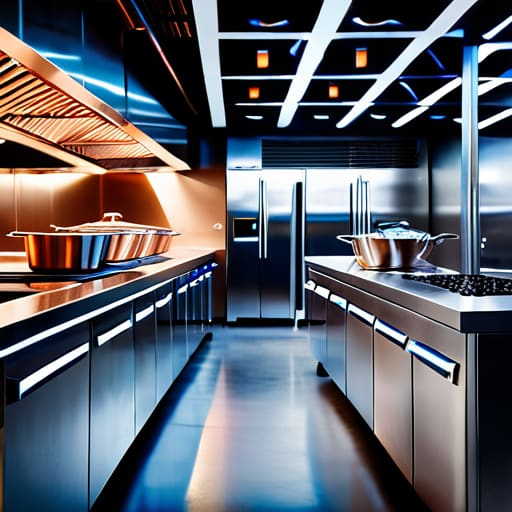
Think of on-demand computing resources like a high-end, professional kitchen setup that scales with your dinner rush. Back when I was running a line in NYC, I used to stress about whether we had enough prep space or enough burners for a sudden influx of reservations. If we were too small, we couldn’t grow; if we were too big, we were wasting money on overhead and staff we didn’t need. In the digital world, cloud computing solves this exact headache. Instead of buying massive, expensive servers that sit idle during slow periods, you simply “order” more power exactly when your website or app starts getting hungry for data.
It’s all about efficiency and avoiding that dreaded food waste—or in this case, wasted capital. By utilizing different cloud service models (SaaS, PaaS, IaaS), you can choose exactly how much of the “kitchen” you want to manage yourself versus how much you want the provider to handle. Whether you need a fully managed dining room or just a specialized prep station, this flexibility is one of the greatest benefits of cloud infrastructure. It allows you to focus on your creative “recipes”—your code and your content—without worrying about whether the stove is even turned on.
Cloud Computing Architecture Explained Through Culinary Layers
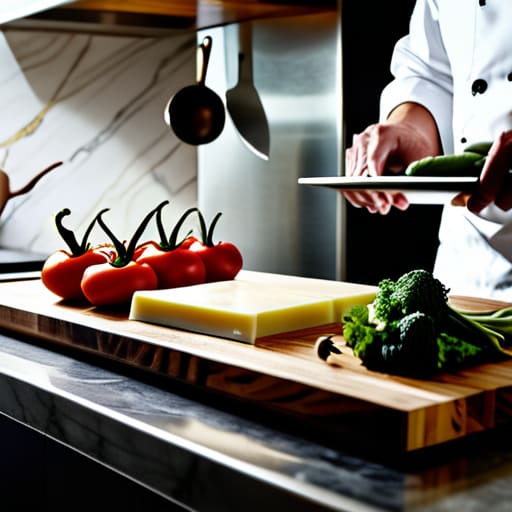
Think of cloud computing architecture like the organized layers of a high-end kitchen. You wouldn’t just throw raw ingredients onto a plate and call it a meal, right? You need a system. When we look at cloud service models like SaaS, Paas, and IaaS, it’s a lot like deciding how much control you want over your kitchen. IaaS is like renting a professional kitchen space where you bring your own tools and ingredients; you have total control, but you do all the prep work. PaaS is more like a shared prep station where the heavy lifting is done for you, letting you focus solely on the cooking. Then there’s SaaS, which is the ultimate convenience—think of it as ordering a perfectly plated dish delivered right to your table.
The way these layers are deployed is just as important as the menu itself. Choosing between public vs private cloud deployment is similar to deciding whether you’re running a bustling, open-concept bistro or an exclusive, members-only supper club. One offers massive scale and shared resources, while the other provides a more controlled, intimate environment for your data. Understanding these architectural layers is the secret sauce to building a digital setup that’s as efficient and scalable as a Michelin-starred kitchen.
Five Pro-Tips for Navigating Your Digital Kitchen
- Think of your cloud setup like a well-stocked pantry: don’t try to buy everything at once! Start with just the essential “ingredients” (services) you need right now, and you can always order more as your culinary—or business—vision expands.
- Scalability is your best friend, much like a modular prep station. On a busy Friday night, you might need extra burners and more counter space, but you don’t want to pay for that extra equipment on a slow Tuesday morning. The cloud lets you scale up for the rush and scale back to save money when things quiet down.
- Don’t forget about food safety—or in this case, data security. Just as you wouldn’t leave your walk-in fridge unlocked, ensure your cloud provider has top-tier security protocols. You want to know that your “secret recipes” (your data) are tucked away safely behind a digital lock and key.
- Choose your “suppliers” wisely by understanding the different service models. Are you looking for a fully catered meal (Software as a Service), a meal kit delivered to your door (Platform as a Service), or just the raw ingredients and a kitchen to cook in (Infrastructure as a Service)? Pick the one that fits your current skill level and budget.
- Always keep a backup plan, just like having a spare bottle of olive oil in the pantry. While the cloud is incredibly reliable, things can happen. Having a robust backup strategy ensures that even if there’s a digital “kitchen fire,” your entire operation doesn’t go up in smoke.
The Chef's Summary: What's Cooking in the Cloud?
Think of the cloud as your ultimate sous-chef; it provides all the high-end tools and ingredients you need exactly when you need them, so you don’t have to clutter your kitchen with expensive equipment you only use once a month.
Just like a perfectly layered lasagna, cloud architecture is all about how different components—from the base storage to the final user interface—work together to create a seamless, delicious experience.
Embracing cloud computing isn’t just a tech upgrade; it’s a way to scale your culinary creativity without the massive upfront costs, allowing you to focus more on the art of the dish and less on the stress of the overhead.
## The Digital Mise en Place
“Think of cloud computing as the ultimate shared pantry: instead of cluttering your own tiny kitchen with massive, expensive equipment you might only use once a year, you’re simply tapping into a world-class, fully stocked larder that scales up or down exactly when your service gets hectic.”
Amelia Johnson
The Final Course: Serving Up Your Digital Future

So, if we look back at our kitchen tour, it’s clear that cloud computing isn’t some mysterious, untouchable science. It’s essentially a massive, shared pantry and high-tech kitchen setup that allows you to access exactly what you need, right when you need it, without the headache of owning every single heavy appliance yourself. We’ve broken down how the on-demand resources act as your essential ingredients and how the layered architecture serves as the foundation of your digital prep station. By moving away from the heavy lifting of physical servers and embracing this scalable model, you’re essentially streamlining your culinary workflow to focus on what truly matters: the creativity and the output.
Transitioning to the cloud might feel a bit like stepping into a Michelin-starred kitchen for the first time—intimidating, sure, but incredibly rewarding once you find your rhythm. Whether you are a small startup or a seasoned pro, the cloud offers you the tools to scale your dreams without breaking the bank. Don’t let the technical jargon keep you from the table; embrace the change and experiment with these new tools to see how they can elevate your personal or professional projects. Remember, the best recipes are often the ones where we dare to try something new. Now, let’s go out there and cook up something spectacular in your digital kitchen!
Frequently Asked Questions
If I'm moving my "kitchen" to the cloud, how do I know my secret recipes and data are actually safe from digital kitchen mishaps?
Think of it like moving your restaurant into a high-tech, professional commissary. You aren’t just tossing your recipes into a random pantry; you’re using top-tier security protocols. Cloud providers use heavy-duty “digital refrigerators”—think encryption and multi-factor authentication—to keep your data locked down. Just like you wouldn’t leave your secret spice blend sitting on the counter overnight, you’ll want to ensure your settings are dialed in to keep those culinary secrets strictly for your eyes only!
Is cloud computing going to be more expensive than owning my own hardware, or is it more like a subscription service that saves me money in the long run?
Think of it like the difference between building a massive, industrial kitchen from scratch versus using a high-end commissary kitchen. If you buy all your own ovens, walk-ins, and prep stations, you’re hit with huge upfront costs and maintenance headaches. With the cloud, it’s more like a subscription: you only pay for the burners you actually use. It saves you a ton of “kitchen overhead” and lets you scale up—or down—without breaking the bank!
Do I need to be a total tech wizard to start using these services, or can someone with a culinary background like me jump right in?
Honestly, you don’t need to be a tech wizard any more than you need to be a master chemist to bake a perfect sourdough. Think of it like using a high-end convection oven versus a wood-fired hearth; the tools are sophisticated, but the core principles of “heat and timing” remain the same. Most cloud services are designed with intuitive interfaces. If you can navigate a digital prep list or a complex inventory system, you’ve got the chops to jump right in!


Amelia Johnson
I believe that food is not just sustenance but an expression of culture and creativity. Let’s explore how we can turn our culinary passions into rewarding careers that feed both our souls and our wallets.