Wood Pallet Projects Anyone Can Build
Have you ever stood in your kitchen, staring at a blank wall or a cluttered corner, and felt like your space was missing that certain je ne sais quoi? We’ve all been there—trying to find that perfect balance between a functional workspace and a home that actually feels like us. I used to think that creating a professional-grade culinary atmosphere required a massive budget and a designer, but I quickly learned that some of the most soul-satisfying transformations come from the simplest materials. Lately, I’ve been obsessed with finding creative pallet project ideas that turn humble, reclaimed wood into something truly spectacular, proving that you don’t need a massive bank account to build a space that feeds your creativity.
In this post, I’m pulling back the curtain on five specific ways you can use these versatile wooden structures to elevate your home. From building a rustic herb garden that brings the freshness of a farm-to-table kitchen right to your windowsill, to crafting custom storage solutions that keep your culinary tools organized and accessible, we are going to dive deep into the art of upcycling. Get ready to discover how these five unique projects can help you build a beautiful, functional sanctuary that is as resourceful as it is stunning.
Table of Contents
The Ultimate Herb Garden Sanctuary
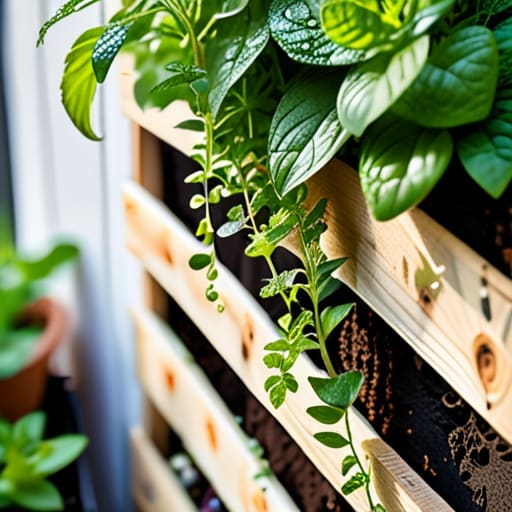
If there is one thing I learned working in high-pressure NYC kitchens, it’s that nothing—and I mean nothing—beats the flavor of fresh herbs plucked seconds before they hit the pan. Instead of letting those wooden pallets rot in a backyard, turn them into a vertical herb garden. It’s a brilliant way to maximize small spaces, whether you’re living in a tiny studio apartment or a house with a modest patio. Just line the slats with landscape fabric, fill them with high-quality potting soil, and you have a living, breathing culinary workstation right outside your door.
A Rustic Charcuterie Station
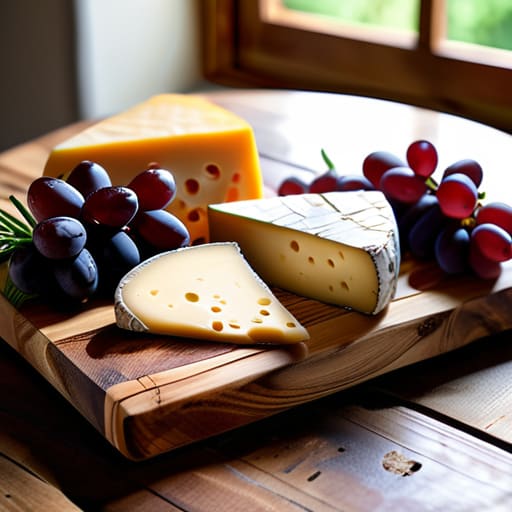
We’ve all been there—hosting a dinner party and realizing the presentation of your cheese board looks a little… well, uninspired. This is where a reclaimed pallet can truly shine as a centerpiece. By sanding down a sturdy section of a pallet and applying a food-safe mineral oil finish, you can create a stunning serving board that screams rustic elegance. It’s much more than just a piece of wood; it’s a conversation starter that adds a layer of texture to your hosting game.
The Backyard Pizza Oven Hearth
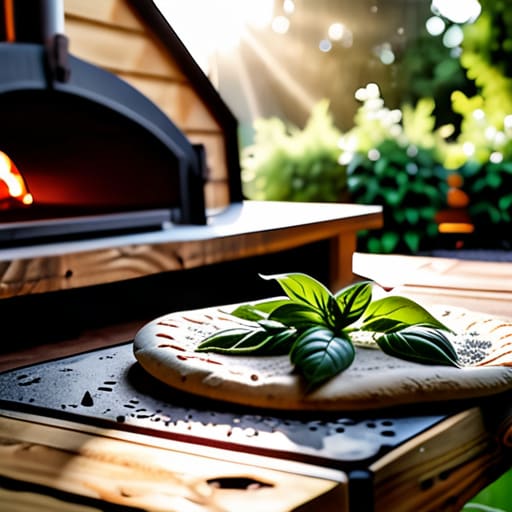
There is a specific kind of magic that happens when you cook with fire, and I am slightly obsessed with it. If you have a backyard setup, you can use pallets to construct a sturdy, raised base for a portable pizza oven or a small smoker. Think of it as building the foundation of flavor. By stacking and securing the pallets, you create a stable platform that keeps your cooking equipment off the damp ground and at a much more ergonomic height for your prep work.
An Organized Spice & Sauce Rack
One of my biggest pet peeves in both home and professional kitchens is a cluttered workspace. Searching for the smoked paprika when you’re in the middle of a delicate emulsion is a recipe for stress! You can easily transform thin pallet slats into a customized spice rack that mounts directly to your kitchen wall. It keeps your most-used seasonings at eye level and turns your collection of spices into a colorful, aromatic piece of art.
The Cozy Coffee or Tea Nook
After a long day of meal prepping or consulting, I crave a moment of stillness. I love the idea of using a small pallet to create a dedicated “beverage station” in a corner of your home. By attaching a few small shelves and perhaps even a hanging rack for your favorite mugs, you create a sanctuary for slow mornings. It’s a way to carve out a dedicated space for ritual and mindfulness amidst the hustle and bustle of daily life.
Bringing the Heart of the Kitchen Home
Remember that every DIY project is a bit like a new recipe; don’t be afraid to experiment with textures and finishes to make the piece truly yours.
Using reclaimed materials like pallets isn’t just a budget-friendly hack—it’s a way to infuse your home with a sense of history and sustainable soul.
Whether you’re building a herb garden or a rustic coffee station, focus on creating spaces that spark your creativity and make cooking feel like an adventure.
Finding Beauty in the Raw and Reclaimed
“Just as a chef can transform humble, seasonal ingredients into a five-star masterpiece, a well-crafted pallet project turns discarded wood into the soulful centerpiece of a kitchen or garden—proving that with a little vision, even the most overlooked elements can become something truly nourishing for the home.”
Amelia Johnson
From Scraps to Sanctuaries
Whether you’ve decided to build a rustic herb garden to keep your kitchen seasonings fresh, or you’ve tackled a full-scale vertical planter to bring some life to your patio, you’ve officially turned something discarded into something truly functional. We’ve looked at how these simple wooden pallets can serve as everything from organized spice racks to stunning statement pieces for your culinary workspace. By taking these DIY steps, you aren’t just saving a few bucks on home decor; you are actively reclaiming beauty from the overlooked corners of the world, much like how a perfectly seasoned cast iron skillet only gets better with a little bit of grit and time.
As you move forward with your next project, I want you to remember that the most important ingredient isn’t the wood or the nails—it’s your unique vision. Just like a chef experimenting with a new fusion recipe, don’t be afraid to make mistakes or try a different finish if things don’t go exactly as planned. Cooking and crafting both require a bit of soul and a lot of heartfelt experimentation. So, grab your tools, maybe a little bit of sandpaper, and go create a space that truly nourishes your spirit. I can’t wait to see the beautiful, edible sanctuaries you build!
Frequently Asked Questions
How do I make sure my pallet wood is safe to use around food and won't leach chemicals into my herbs or veggies?
This is such a vital question! In my years in professional kitchens, I’ve learned that what we use to hold our food matters just as much as the ingredients themselves. Always look for the “HT” stamp on your pallets, which stands for Heat Treated. Avoid anything marked “MB” (Methyl Bromide), as those chemicals are a huge no-go for edible gardens. When in doubt, seal your wood with a food-safe, non-toxic sealant to keep your veggies happy and healthy!
What are the best ways to seal or finish reclaimed wood so it doesn't look too "rustic" and actually holds up in a kitchen environment?
If you want to dodge that “unfinished barn door” look, skip the heavy stains and go for a high-quality food-safe matte polyurethane or a hardwax oil like Rubio Monocoat. These finishes penetrate deep, protecting against spills without looking plasticky. Since we’re talking kitchen environments, durability is everything! I always recommend a thorough sanding—starting with a coarse grit and working up to 220—to smooth out those rough edges before sealing. It keeps the character but loses the splinters!
Are there any specific tools I should invest in if I'm just starting out with DIY pallet projects on a budget?
Think of this like setting up your first mise en place—you don’t need every expensive gadget, just the essentials to get the job done right. Start with a decent orbital sander; trust me, skipping the sanding is a recipe for splinters! Grab a sturdy hammer, a pry bar for careful disassembly, and some quality wood glue. It’s all about building a solid foundation without breaking the bank before you even start cooking up your designs.


Amelia Johnson
I believe that food is not just sustenance but an expression of culture and creativity. Let’s explore how we can turn our culinary passions into rewarding careers that feed both our souls and our wallets.