Diy Cleaning Products That Actually Work
I still remember the stinging, chemical haze of a professional kitchen after a deep clean—that overwhelming scent of industrial bleach that seemed to cling to my skin long after my shift ended. Back then, I thought that “clean” had to smell like a laboratory to be effective, but as I transitioned from the high-pressure line to culinary consulting, I realized we were all just being sold a lie. We’ve been conditioned to believe that if a spray doesn’t make our eyes water, it isn’t working, but the truth is that most store-bought solutions are just expensive water wrapped in fancy marketing. I started experimenting with diy cleaning products because I wanted my workspace to feel as nourishing as the ingredients I was prepping, not like a hazmat zone.
I’m not here to give you a list of complicated, twenty-step concoctions that require a chemistry degree to master. Instead, I’m sharing the streamlined, no-nonsense recipes I’ve perfected using simple pantry staples that actually get the job done. My goal is to help you reclaim your space and your budget, proving that you can maintain a pristine environment without sacrificing your health or your sanity. Let’s get into the real stuff.
Table of Contents
- Sourcing Eco Friendly Cleaning Ingredients for a Vibrant Home
- Vinegar and Baking Soda Cleaning a Soulful Kitchen Alchemy
- My Secret Sauce: 5 Pro-Tips for Mastering Your DIY Cleaning Lab
- My Top Kitchen-Tested Tips for Success
- ## The Kitchen Connection
- Bringing the Magic Home
- Frequently Asked Questions
Sourcing Eco Friendly Cleaning Ingredients for a Vibrant Home
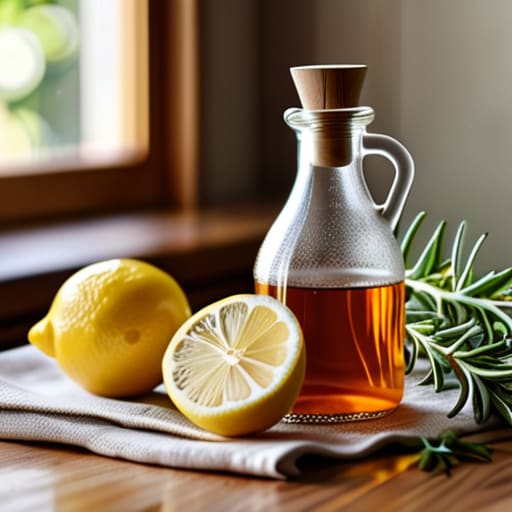
When I was working the line in NYC, my pantry was a chaotic landscape of high-end oils and imported spices, but my cleaning cabinet was a different story—usually filled with harsh chemicals that made me want to hold my breath just walking into the kitchen. Now, I approach my home like I approach a new recipe: I look for high-quality, raw ingredients that I actually trust. Instead of grabbing those neon-colored bottles from the supermarket, I head straight for the basics. You’d be surprised how much magic happens when you stock up on eco-friendly cleaning ingredients like citrus peels, sea salt, and high-quality white vinegar.
Think of your shopping trip as a hunt for the ultimate culinary-grade toolkit. I love scouring local health food stores for pure essential oils for cleaning, like lemon or eucalyptus, which add a beautiful aromatic layer without the synthetic headache. By focusing on these pantry staples, you aren’t just creating non-toxic household cleaners; you’re also building a collection of cost-effective cleaning solutions that won’t break your budget. It’s all about finding that sweet spot where sustainability meets efficiency, ensuring your home feels as fresh as a newly prepped mise en place.
Vinegar and Baking Soda Cleaning a Soulful Kitchen Alchemy

If you’ve spent any time in a professional kitchen like I have, you know that the most powerful tools aren’t always the high-tech gadgets; sometimes, they are the simple staples sitting right on your pantry shelf. I like to think of vinegar and baking soda cleaning as a bit of kitchen alchemy. There is something incredibly satisfying about watching that fizzy, bubbly reaction when you drop baking soda onto a stained countertop and hit it with a splash of white vinegar. It’s not just science; it feels like you’re actively transforming your space from cluttered to calm.
Beyond the magic of the reaction, these are some of the most cost-effective cleaning solutions you can find. Instead of hunting down specialized chemicals for every single surface, you can rely on these two heavy hitters to tackle everything from greasy stovetops to stubborn sink grime. Plus, as someone who loves a good scent profile, I always recommend adding a few drops of essential oils for cleaning, like lemon or eucalyptus, to mask that sharp vinegar tang. It turns a mundane chore into a sensory experience that leaves your home smelling like a fresh herb garden rather than a chemistry lab.
My Secret Sauce: 5 Pro-Tips for Mastering Your DIY Cleaning Lab

- Treat your ingredients like a mise en place—prep everything beforehand! Before you start mixing, gather your glass spray bottles, funnels, and essential oils so you aren’t scrambling mid-recipe.
- Don’t fear the scent profile. Just like balancing a delicate sauce, you can use citrus peels or lavender sprigs to make your cleaning solutions smell like a high-end spa rather than a science experiment.
- Label everything with a culinary eye. I always use a permanent marker to label my bottles with the “recipe” and the date, so I never accidentally mistake my lemon-thyme surface spray for a degreaser.
- Test your “reduction” on a small patch first. In a professional kitchen, we always taste a sauce before serving; do the same with your DIY cleaners on an inconspicuous area of your countertop to ensure no weird reactions occur.
- Invest in quality glass. Since many DIY ingredients like essential oils can break down plastic over time, using amber glass bottles keeps your concoctions fresh and potent, much like storing fine spices.
My Top Kitchen-Tested Tips for Success
Treat your cleaning supplies like your spice rack—start with a few versatile staples like vinegar and baking soda, and you’ll be surprised how much flavor (and cleanliness!) you can add to your routine without breaking the bank.
Don’t be afraid to experiment, but remember that just like a new recipe, it’s always a good idea to test your homemade concoctions on a small, inconspicuous area first.
View the process not as a chore, but as a way to nourish your home environment, turning a mundane task into a mindful ritual that honors both your space and the planet.
## The Kitchen Connection
“Just like perfecting a signature sauce, crafting your own cleaning supplies is all about understanding how simple, raw ingredients can transform a space from chaotic to curated.”
Amelia Johnson
Bringing the Magic Home

At the end of the day, transitioning to DIY cleaning is a lot like mastering a new mother sauce in a professional kitchen—it takes a little bit of practice and the right ingredients, but once you get the rhythm down, it becomes second nature. We’ve looked at how sourcing eco-friendly staples can transform your pantry into a powerhouse of cleanliness, and we’ve seen how the simple alchemy of vinegar and baking soda can tackle even the toughest grime without the harsh, synthetic chemicals. By making these small shifts, you aren’t just tidying up your space; you are curating a healthier environment and taking back control of what actually goes into your home. It’s about moving away from the mass-produced and moving toward a more intentional way of living.
I know that when you’re busy, reaching for a store-bought spray feels like the easiest path, but I promise you, the reward is so much sweeter when you do it yourself. Think of this as an extension of your culinary creativity—a way to nourish your sanctuary just as carefully as you would nourish your guests. Whether you’re a seasoned pro or just starting your journey, remember that every small, mindful choice adds up to a life that feels more authentic and grounded. So, grab your spray bottles, mix up something wonderful, and embrace the beautiful ritual of caring for your home. You’ve totally got this!
Frequently Asked Questions
Will these homemade mixtures actually be strong enough to tackle the heavy grease buildup on my stovetop after a busy dinner service?
Oh, I hear you! After a high-pressure service, that stovetop can look like a battlefield. Here’s the chef’s secret: while vinegar is great for shine, for heavy grease, you need to lean harder on that baking soda. Make a thick paste, let it sit on the grime for fifteen minutes—think of it as marinating—and then scrub. It’s not as instant as a harsh chemical spray, but it’ll get the job done without ruining your lungs!
Can I safely use these DIY solutions on delicate surfaces like my marble countertops or unsealed wood cutting boards?
Oh, I am so glad you asked! This is where we have to channel our inner sous-chef and be super mindful of our ingredients. For those gorgeous marble countertops, please steer clear of vinegar—the acidity is way too aggressive and can actually etch the stone. As for unsealed wood, keep the moisture minimal to avoid warping. When in doubt, a gentle drop of mild soap and warm water is your safest, most reliable seasoning!
Since I'm not using heavy preservatives, how long can I store my homemade cleaning concoctions before they lose their effectiveness?
Think of your homemade cleaners like a fresh herb emulsion—they’re best when they’re bright and active! Since we aren’t using those harsh, industrial preservatives, I recommend keeping your batches small and using them within two to three weeks. If you’re mixing something with water, aim for even less time. To keep them potent, store your concoctions in a cool, dark spot. It’s all about freshness, just like a great seasonal sauce!


Amelia Johnson
I believe that food is not just sustenance but an expression of culture and creativity. Let’s explore how we can turn our culinary passions into rewarding careers that feed both our souls and our wallets.