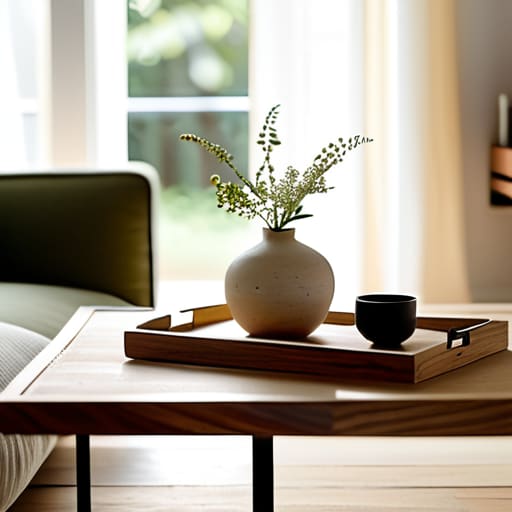
How to Declutter Your Home Without Getting Overwhelmed
I still remember the chaos of my first professional kitchen in NYC—a cramped, sweltering space where every misplaced whisk or chipped ramekin felt like a personal attack on my sanity. It wasn’t just the mess; it was the mental noise that came with it. Most lifestyle gurus will try to sell you on expensive, minimalist aesthetic bins or some complicated, five-step ritual to find peace, but let’s be real: that’s just more clutter in disguise. Learning how to declutter your home shouldn’t feel like a high-stakes culinary exam where one wrong move ruins the service; it should be about clearing the prep station so you can actually enjoy the meal.
I’m not here to give you a Pinterest-perfect fantasy that requires a massive budget and a complete personality transplant. Instead, I want to share the no-nonsense, mise en place approach to life. I’m going to show you how to audit your space with the same precision I use to refine a restaurant’s menu, stripping away the excess to make room for what truly nourishes you. We are going to tackle this with practical, soul-feeding strategies that actually stick.
Table of Contents
- A Decluttering Mindset and Psychology for Creative Souls
- The Perfect Decluttering Method for a Flavorful Life
- Mise en Place for Your Living Space: 5 Tips to Prep Your Home for Success
- The Secret Sauce to a Curated Life
- The Secret Ingredient to a Clear Space
- Savoring the Space You’ve Created
- Frequently Asked Questions
A Decluttering Mindset and Psychology for Creative Souls
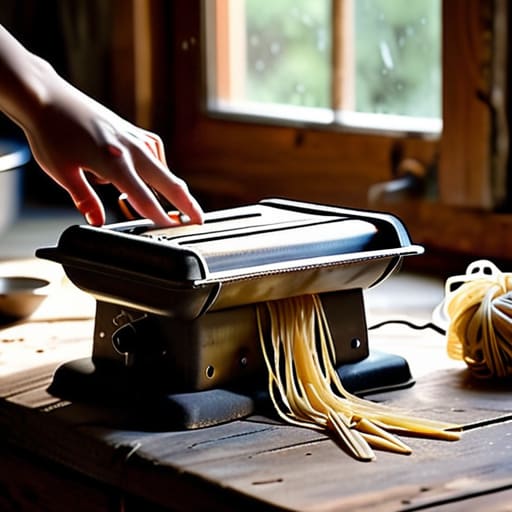
Before we even touch a single cardboard box or a trash bag, we need to talk about what’s happening between your ears. In the culinary world, a chaotic station leads to a chaotic service; if your prep area is buried under old garnishes and broken whisks, your creativity just suffocates. It’s the exact same with your living space. Understanding the decluttering mindset and psychology is about realizing that we often cling to “stuff” because it represents a version of ourselves we’re afraid to let go of. We hold onto that expensive pasta maker we used once, or the hobby supplies from a phase that ended years ago, thinking they define us.
To truly make space for new inspirations, you have to stop viewing tidying as a chore and start seeing it as curating your own life. Think of it like refining a menu: you aren’t just throwing things away; you are selecting only the very best ingredients to keep. When you approach your belongings with this level of intention, you stop feeling overwhelmed by the mess and start feeling empowered by the edit.
The Perfect Decluttering Method for a Flavorful Life
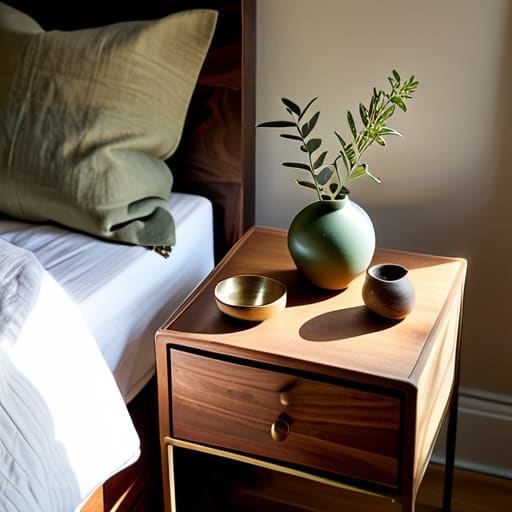
Now, let’s talk execution. If you try to tackle your entire house at once, it’s going to feel like trying to prep a fifty-course tasting menu during a Saturday night rush—complete chaos and a recipe for burnout. Instead, I swear by a decluttering room by room guide approach. Think of it like mise en place; you wouldn’t throw every single ingredient from your pantry onto the cutting board at the same time, right? You prep one station at a time. Start with one small “station”—maybe that junk drawer or your bedside table—and master it before moving to the next.
When you’re working through these zones, I recommend using some simple decluttering hacks for busy people to keep your momentum high. Set a timer for twenty minutes, put on your favorite playlist, and move with purpose. The goal isn’t to achieve some unattainable, sterile perfection, but to curate a space that actually serves your lifestyle. By treating each room as its own individual recipe, you prevent the overwhelm and ensure that the final result is a home that feels as balanced and intentional as a perfectly seasoned reduction.
Mise en Place for Your Living Space: 5 Tips to Prep Your Home for Success
- Treat every room like a busy dinner service; start with a “prep station” by clearing one small surface—like a coffee table or a desk—to give yourself a visual win before tackling the heavy lifting.
- Audit your belongings like you’re reviewing a seasonal menu; if an item hasn’t “served” you well in the last six months or no longer brings flavor to your life, it’s time to take it off the menu and let it go.
- Beware of the “pantry hoarding” trap by grouping like-items together; just as you wouldn’t store your spices next to your cleaning supplies, ensure your belongings have dedicated “stations” so they don’t migrate into chaotic piles.
- Don’t let sentimental clutter become a heavy sauce that weighs you down; it’s okay to keep a few cherished keepsakes, but remember that a kitchen filled with old, chipped ramekins doesn’t leave room for the beautiful new plates you actually use.
- Practice the “one-in, one-out” rule to maintain your equilibrium; for every new ingredient or decor piece you bring into your home, make sure something else finds a new home elsewhere to keep your space from overflowing.
The Secret Sauce to a Curated Life
Treat your belongings like ingredients in a high-end kitchen; if an item doesn’t add flavor, function, or inspiration to your life, it’s just clutter taking up precious real estate.
Don’t try to prep the whole feast at once—tackle your space in small, manageable batches to avoid burnout and keep your momentum high.
Remember that decluttering isn’t about deprivation, it’s about making room for the things that truly nourish your creativity and soul.
The Secret Ingredient to a Clear Space
“Think of your home like a well-run kitchen: you can’t whip up anything truly magical if your counters are buried under old receipts and gadgets you never use. Decluttering isn’t about losing things; it’s about clearing the prep station so you have the room to actually create the life you love.”
Amelia Johnson
Savoring the Space You’ve Created
At the end of the day, decluttering isn’t about achieving some sterile, museum-like perfection; it’s about curation. Just like I wouldn’t crowd a professional line with ingredients I’ll never use, you shouldn’t let your living space become a graveyard for “maybe someday” items. By applying that chef’s mindset—focusing on quality over quantity and making room for what truly nourishes you—you’ve turned your home from a cluttered pantry into a carefully composed plate. You’ve moved past the chaos and started building a foundation where your creativity can actually breathe, ensuring that every object in your home serves a purpose or brings you genuine joy.
As you move forward, remember that this process is a marathon, not a sprint. There will be days when the “kitchen sink” of life feels overwhelming again, but don’t let that discourage you. Treat your environment with the same respect and intention you would give to a signature recipe. When you clear away the excess, you aren’t just tidying up a room; you are making space for new experiences, new passions, and even new flavors to enter your life. So, take a deep breath, enjoy the newfound clarity of your surroundings, and remember that you are the head chef of your own life. Now, go out there and make something beautiful!
Frequently Asked Questions
How do I decide what to keep when an item has sentimental value but I haven't touched it in years?
Think of sentimental items like a spice rack that’s gathered dust. Just because a spice was part of a meaningful recipe years ago doesn’t mean it belongs in your active mise en place today. Ask yourself: Does this item spark creativity, or just guilt? If it’s a memory-heavy piece, snap a high-quality photo of it first. You get to keep the “flavor” of the memory without letting the physical clutter crowd your kitchen.
I feel totally overwhelmed by the mess—should I tackle one tiny drawer at a time or go big with an entire room?
Oh, I feel you! That overwhelming “too much to do” sensation is exactly like staring at a mountain of prep work before a dinner rush. Honestly? Start with the tiny drawer. Think of it like a mise en place—you wouldn’t try to cook a five-course meal without prepping your individual ingredients first. Small wins build momentum. Once that drawer is organized, you’ll have the culinary confidence to tackle the whole kitchen!
Once I finally clear out the clutter, how do I stop it from creeping back into my space like an uninvited guest?
Think of it like maintaining a Michelin-star kitchen: you don’t just clean once and call it a day; you practice mise en place every single shift. To keep the chaos at bay, implement a “one in, one out” rule—if you bring home a new gadget, an old one has to go. Treat your space like a curated menu; if an item doesn’t add flavor or function to your life, it doesn’t belong on the plate.


Amelia Johnson
I believe that food is not just sustenance but an expression of culture and creativity. Let’s explore how we can turn our culinary passions into rewarding careers that feed both our souls and our wallets.