How to Reduce Clutter for Good (not Just for a Week)
I remember standing in the middle of my first professional kitchen in NYC, staring at a prep station so choked with mismatched containers and dull knives that I couldn’t even find my favorite offset spatula. It was chaos, pure and simple, and it felt exactly like my life at home. Most gurus will tell you that you need a high-end organizational system or a series of expensive, aesthetic bins to fix your life, but let me tell you: that’s just more stuff to manage. If you want to learn how to reduce clutter for good, you have to stop treating the symptoms and start addressing the root cause, much like a chef fixing a broken sauce rather than just adding more salt.
I’m not here to sell you a lifestyle brand or a fancy label maker; I’m here to share the hard-won lessons I learned from years of managing high-pressure environments. We are going to approach your space with the same precision we use for mise en place, stripping away the excess so you can finally breathe. I promise to give you honest, no-nonsense strategies to clear the mental and physical noise, helping you create a life that feels as intentional and deliciously organized as a perfectly executed service.
Table of Contents
Cultivating Essential Decluttering Mindset Shifts
Before you even pick up a single cardboard box, we need to talk about your headspace. In the culinary world, if your station is a mess, your mental clarity vanishes right along with your ability to execute a perfect risotto. The same applies to your home. Real change doesn’t come from a frantic weekend of throwing things into trash bags; it comes from intentional decluttering mindset shifts. You have to stop viewing your belongings as “just in case” safety nets and start seeing them as potential obstacles to your peace.
Think of it like managing a professional pantry. You wouldn’t keep five half-empty bags of flour taking up prime real estate, right? Implementing sustainable minimalism habits means shifting from a mindset of accumulation to one of curation. Instead of asking, “Can I use this someday?” try asking, “Does this item actually serve the life I’m building right now?” When you treat your living space with the same respect an executive chef treats a high-end kitchen, you stop reacting to the mess and start designing a life that feels as organized and intentional as a perfectly plated dish.
Implementing Organizing Systems for Home Success
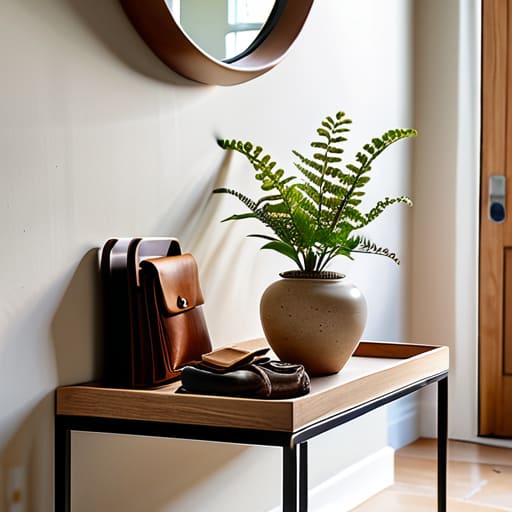
Once you’ve done the heavy lifting of those mental shifts, it’s time to get tactical. Think of this stage like setting up a professional mise en place; if your station isn’t organized, the service will eventually fall apart. When building organizing systems for home, I always tell my clients to design for their actual habits, not their “aspirational” ones. If you always toss your keys on the entryway table, don’t fight it—place a beautiful, dedicated tray there instead. Creating these intentional “landing zones” prevents the chaos from creeping back in.
To make this stick, I highly recommend a strategy of decluttering room by room rather than trying to tackle the entire house in one frantic weekend. In the kitchen, this might mean grouping all your spices in one accessible zone (my personal favorite!), while in the bedroom, it’s about ensuring every item has a specific “home.” The goal isn’t just to tidy up, but to establish sustainable minimalism habits that make maintaining your space feel like second nature rather than a grueling chore.
Mise en Place for Your Life: 5 Pro Tips to Keep the Chaos at Bay
- Treat your belongings like a high-end pantry. In a professional kitchen, we don’t keep three half-empty bags of flour taking up space; we use what we need and keep the rest streamlined. Apply that same “first-in, first-out” logic to your home—if you haven’t “served” an item in six months, it’s time to let it go.
- Master the art of the “One-In, One-Out” rule. Every time you bring a new ingredient into the kitchen, something else gets used up. Apply this to your closet or your bookshelves; if you buy a new gorgeous linen shirt, a piece that no longer fits your vibe needs to find a new home. It prevents that slow, creeping accumulation that turns a sanctuary into a storage unit.
- Stop “prepping” for a life you aren’t living. I see this all the time in restaurant kitchens—stocking up on specialized tools for a menu that never actually launches. Don’t hold onto gear for that hobby you might start or clothes for a version of yourself that doesn’t exist anymore. Only keep the tools that serve your current, delicious reality.
- Create dedicated “stations” for your essentials. Just like I have a specific spot for my spice kit and my tasting spoons, your home needs zones. When everything has a specific “station”—keys by the door, mail in a designated tray—you stop the mental clutter that comes from hunting for things mid-recipe (or mid-morning rush).
- Do a “daily sweep” instead of a massive overhaul. You wouldn’t wait until the end of a double shift to clean your station; you clean as you go. Spending just ten minutes every evening resetting your living space prevents the clutter from ever reaching a boiling point, keeping your environment as fresh as a morning herb garden.
The Recipe for Lasting Order
Treat your space like a professional mise en place; if you don’t have a dedicated home for every tool and ingredient, you’re just inviting chaos back into your kitchen.
Don’t let “clutter creep” spoil your hard work—set up a weekly “clean sweep” to toss the expired metaphorical ingredients before they pile up again.
Focus on quality over quantity, just like choosing a chef’s knife; it’s better to own a few high-quality pieces that serve a purpose than a drawer full of gadgets you’ll never actually use.
“Think of decluttering your life just like prepping a station for service: if you’re drowning in old scraps and unused tools, you’ll never have the mental headspace to actually create something beautiful. Clear the chaos so you can finally focus on the ingredients that truly matter.”
Amelia Johnson
Clearing the Plate for What Matters
At the end of the day, reducing clutter isn’t just about finding a place for every spatula or clearing off the dining table; it’s about applying that same discipline we use in a professional kitchen to our personal lives. We’ve talked about shifting your mindset from scarcity to intention and building those rock-solid organizational systems that actually hold up when life gets messy. Remember, you don’t need a massive pantry or a walk-in closet to find peace—you just need to stop hoarding the ingredients of a life you aren’t even living. By letting go of the excess, you are essentially prepping your environment for a much more meaningful experience.
I know that staring at a mountain of “stuff” can feel just as overwhelming as a dinner rush during a holiday weekend, but take it one station at a time. Don’t let the fear of letting go stop you from making room for the things that actually feed your soul. Whether it’s a hobby you’ve neglected or the mental space to finally try that complex new recipe, you deserve a home that acts as a sanctuary rather than a storage unit. So, take a deep breath, grab your metaphorical chef’s knife, and start carving out a life that is rich in flavor and free of excess. You’ve got this!
Frequently Asked Questions
I’ve tried decluttering before, but everything always seems to creep back in after a few months—how do I actually make these changes stick for the long haul?
Think of it like maintaining a Michelin-star kitchen: you don’t just clean once and call it a day; you practice “clean as you go.” If you let dirty pans pile up, the whole service collapses. To make decluttering stick, stop treating it like a massive, one-time renovation and start treating it like mise en place. Set tiny, daily habits—like a five-minute nightly reset—to ensure the chaos never has a chance to simmer.
How do I decide what to keep when an item has sentimental value, even if I know I haven't used it in years?
This is the toughest part of the “prep work,” isn’t it? It’s like trying to decide which family heirloom to keep when your kitchen cabinets are overflowing. My rule? Separate the memory from the object. You don’t need the chipped, dusty ceramic bowl to remember Grandma’s Sunday gravy; you just need the story. Take a photo of the item instead. It preserves the sentiment without taking up precious real estate in your life.
When life gets incredibly busy, what’s the most efficient way to tackle a room without feeling completely overwhelmed by the mess?
When life is a whirlwind, don’t try to prep a ten-course banquet all at once. You’ll burn out before the first course is even served! Instead, use the “Mise en Place” method: pick one tiny, manageable zone—like a single junk drawer or a coffee station—and master it. Focus on getting that one area perfectly organized. Small, successful wins build the momentum you need to tackle the rest of the kitchen later.


Amelia Johnson
I believe that food is not just sustenance but an expression of culture and creativity. Let’s explore how we can turn our culinary passions into rewarding careers that feed both our souls and our wallets.