How to Cook Beans and Lentils (cheap, Healthy, Easy)
I still remember the frantic energy of my first line cook job in Manhattan, standing over a steaming pot of dried chickpeas that had turned into a mushy, flavorless disaster because I followed a “shortcut” recipe I found online. It was a humbling moment that taught me a vital lesson: there is a massive difference between simply following instructions and actually understanding the soul of your ingredients. Most people approach learning how to cook beans and lentils as a chore or a technical hurdle to clear, but honestly? If you’re just boiling them until they’re soft, you’re missing the entire point of their incredible culinary potential.
I’m not here to give you some over-engineered, five-star restaurant technique that requires a sous-vide machine and three hours of prep you don’t have. Instead, I want to share the real-world, chef-tested secrets I’ve gathered from both high-end kitchens and my grandmother’s cozy Vermont stovetop. I promise to show you how to master these pantry staples so they become the most versatile, delicious, and soul-satisfying tools in your kitchen. Let’s turn these humble legumes into something truly extraordinary.
Table of Contents
- Soaking Dried Beans vs No Soak Choosing Your Culinary Path
- Decoding Cooking Times for Different Legumes With Creative Flair
- The Chef’s Secret Stash: 5 Pro-Tips for Legume Perfection
- Mastering the Legume: My Top Three Nuggets of Wisdom
- More Than Just a Pantry Staple
- From Pantry Staples to Culinary Masterpieces
- Frequently Asked Questions
Soaking Dried Beans vs No Soak Choosing Your Culinary Path
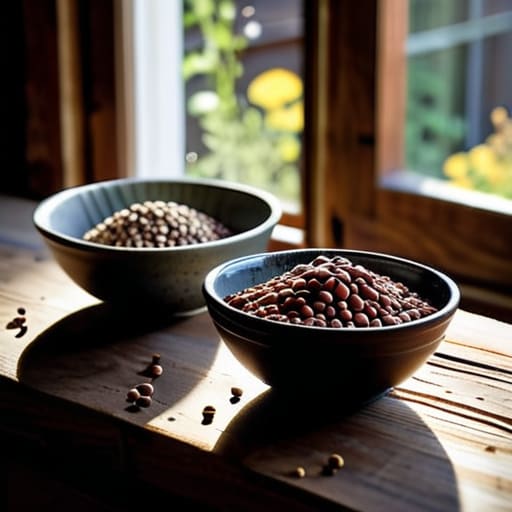
Soaking dried beans vs no soak: Choosing Your Culinary Path
I’ll be honest, when I was pulling double shifts in NYC, the “no soak” method was my best friend because I simply didn’t have the luxury of time. If you’re in a rush, you can absolutely skip the overnight soak, but you’ll need to account for much longer cooking times for different legumes. Skipping the soak is a perfectly valid way to fuel your creativity, especially if you’re leaning on a pressure cooker to do the heavy lifting for you.
On the flip side, if you have a quiet evening ahead, I always recommend a traditional soak. It’s not just about texture—though a soaked bean does get that gorgeous, creamy bite we all crave—it’s also a secret weapon for preventing gas from beans. By rinsing away those complex sugars during the soaking process, you’re making the meal much kinder to your digestive system. Whether you choose the slow, meditative soak or the high-speed modern approach, there is no wrong way to honor these pantry staples; it’s all about matching the technique to your lifestyle.
Decoding Cooking Times for Different Legumes With Creative Flair
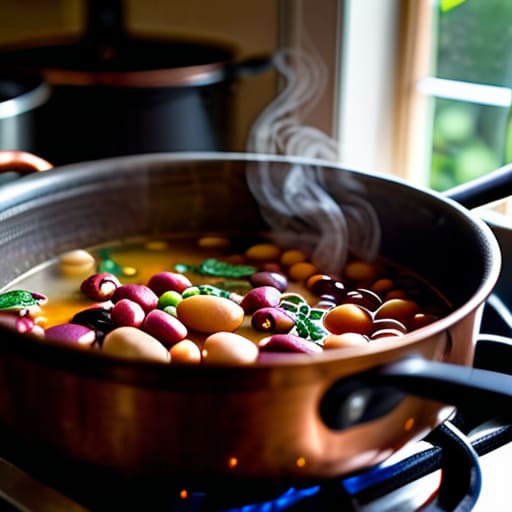
If there’s one thing my time in high-pressure NYC kitchens taught me, it’s that patience is just as important as a sharp knife. When you’re staring down a pot of dried legumes, timing can feel like a guessing game, but mastering the cooking times for different legumes is where the magic really happens. For instance, while delicate red lentils might turn into a creamy puree in just 15 minutes, a hearty kidney bean is going to demand a much longer commitment on the stove. It’s all about respecting the structure of the ingredient; rushing a bean is a surefire way to end up with a texture that’s simultaneously mushy and crunchy, which is a culinary heartbreak no one needs!
For those of us with busy schedules or a bit of “kitchen wanderlust,” I often lean on my trusty pressure cooker. Using specific pressure cooker bean instructions can slash your wait time significantly, turning an overnight soak into a quick weekday win. Just remember, whether you’re using stovetop methods or high-pressure tech, always taste as you go. Every bean has its own personality, and finding that perfect “al dente” moment is where your culinary creativity truly shines.
The Chef’s Secret Stash: 5 Pro-Tips for Legume Perfection
- Don’t be afraid to salt your cooking water early! Just like seasoning a pasta pot, adding a generous pinch of salt to the water helps season the beans from the inside out, ensuring they aren’t bland once they hit the plate.
- Embrace the power of aromatics. Instead of just boiling beans in plain water, toss in a smashed garlic clove, a bay leaf, or even a halved onion. It turns a simple pantry staple into a fragrant foundation for whatever masterpiece you’re building.
- Watch your acidity like a hawk. If you’re adding tomatoes, lemon juice, or vinegar too early in the process, the acid can actually toughen the skins and prevent your beans from ever getting that creamy, melt-in-your-mouth texture we crave.
- Use the “skimming” technique to keep things clean. As your beans simmer, you might see a bit of foam rise to the top. Just skim that off with a spoon; it keeps your broth clear and ensures a much cleaner, more refined flavor profile.
- Keep a little bit of the cooking liquid! That starchy bean liquor is liquid gold. If you’re making a stew or a dal, whisking a splash of that liquid back into your dish adds a velvety body that water alone just can’t replicate.
Mastering the Legume: My Top Three Nuggets of Wisdom
Don’t fear the clock; every bean has its own rhythm, so treat cooking times like a musical score rather than a chore to ensure perfect texture every time.
Whether you choose to soak or go straight to the pot, let your intuition guide you—consistency is key, but there’s no single “right” way to honor these ingredients.
View these pantry staples as a blank canvas for your creativity, using them to bridge the gap between humble tradition and your own unique culinary voice.
More Than Just a Pantry Staple
“Don’t look at beans and lentils as just another task on your prep list; look at them as the ultimate blank canvas. Once you master the rhythm of the soak and the simmer, you aren’t just cooking food—you’re layering flavors and textures that can turn a humble bowl of legumes into a culinary masterpiece.”
Amelia Johnson
From Pantry Staples to Culinary Masterpieces
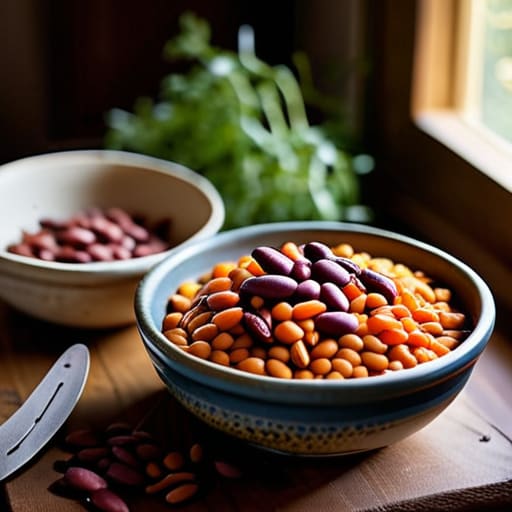
At the end of the day, mastering beans and lentils is about more than just following a timer; it’s about understanding the rhythm of your ingredients. Whether you’ve decided that a long, overnight soak is the best way to achieve that perfectly creamy texture, or you’ve embraced the quick-start method for a busy weeknight, remember that every legume has its own unique personality. From the hearty, slow-cooking kidney beans to the delicate, fast-acting red lentils, knowing how to respect their individual cooking times is what separates a mediocre dish from a truly professional-grade meal. Don’t be afraid to experiment with your aromatics and spices—after all, that’s where the real magic happens.
As you head back into your kitchen, I want you to view these humble pantry staples not as chores, but as blank canvases for your creativity. There is something so deeply grounding about preparing food from scratch, and I promise you, the sense of accomplishment you feel when you serve a bowl of something soul-warming and delicious is worth every minute of simmering. Whether you’re cooking for a crowd or just prepping for your own week, let your passion lead the way. Go ahead, grab your favorite spices, and turn your kitchen into your own personal culinary playground. You’ve got this!
Frequently Asked Questions
How can I season my beans during the cooking process without making them tough or preventing them from absorbing flavor?
The Secret to Deep Flavor: Seasoning Without the Struggle
What are some of my favorite ways to repurpose leftover cooked lentils into quick, flavorful meals for a busy work week?
When the mid-week slump hits, I lean on my “pantry hero” strategy. My absolute favorite? Tossing leftover lentils into a quick Mediterranean grain bowl with some feta, cucumber, and a squeeze of lemon—it’s a total lifesaver. If I’m craving comfort, I fold them into a warm pesto pasta or even use them as a protein-packed base for a spicy taco salad. They’re versatile, fast, and honestly, they make me feel like a culinary genius even on my busiest days!
Can I use canned beans as a shortcut, or will that compromise the texture and soul of my dish?
Listen, I get it—sometimes the kitchen is chaotic and you just need a win. Can you use canned beans? Absolutely. In my consulting days, I always told chefs that efficiency isn’t the enemy of soul. Just give them a quick rinse to wash away that metallic brine, and they’ll be ready to shine. They might lack that creamy, slow-cooked depth of dried beans, but they’re a fantastic shortcut for a quick, nourishing meal!


Amelia Johnson
I believe that food is not just sustenance but an expression of culture and creativity. Let’s explore how we can turn our culinary passions into rewarding careers that feed both our souls and our wallets.