How to Cook Fish Without the Fear (or the Smell)
I still remember the first time I tried to sear a piece of salmon in my tiny, cramped apartment after graduating from the CIA. I had all the fancy gear, but I ended up with something that looked more like a charred hockey puck than a delicate fillet. It was heartbreaking, especially because I truly believed that learning how to cook fish required some sort of mystical, high-level culinary sorcery that only Michelin-starred chefs possessed. I spent years in high-pressure NYC kitchens watching chefs treat seafood like a temperamental diva, but honestly? Most of that intimidation is just smoke and mirrors designed to make the process feel more daunting than it actually is.
I’m not here to give you a lecture filled with intimidating jargon or tell you that you need a thousand-dollar sous vide machine to get it right. Instead, I want to share the real, grit-under-the-fingernails techniques I’ve gathered from professional line stations and street food stalls alike. We are going to strip away the fluff and focus on the fundamental intuition you need to master heat, timing, and seasoning. By the end of this, you won’t just be following a recipe; you’ll be confidently commanding your kitchen to create dishes that are as soulful as they are delicious.
Table of Contents
Choosing Your Muse Best Types of Fish for Beginners
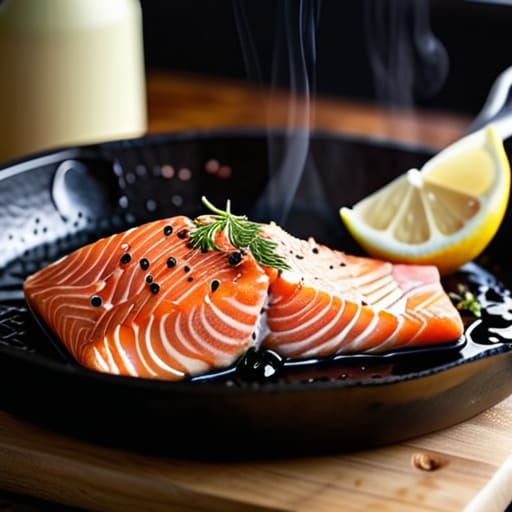
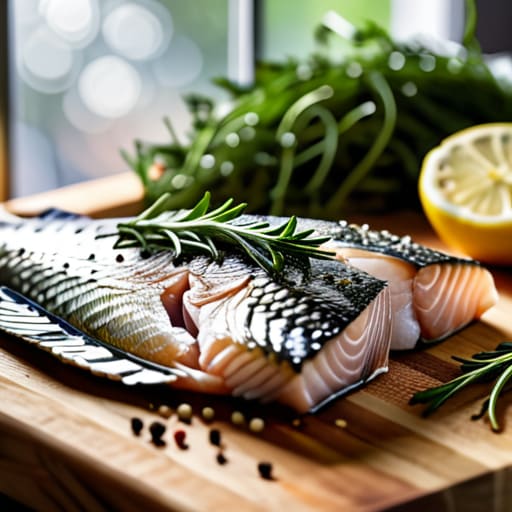
When you’re first starting out, the sheer variety of seafood at the market can feel a little overwhelming—trust me, I’ve stood there staring at the ice displays more times than I’d like to admit! The secret is to start with “forgiving” fish. I always recommend leaning into types of fish for beginners like salmon or trout. These are incredibly sturdy, meaning they won’t fall apart the second they hit a hot skillet. If you want something a bit more delicate, sea bass is a dream, but salmon is your best friend for building confidence because it holds its shape beautifully.
Once you’ve picked your star ingredient, don’t forget that the prep is just as important as the heat. I’m a huge believer in simple seasoning fresh fish tips: a heavy pinch of flaky sea salt and a squeeze of lemon can elevate a basic fillet into something truly restaurant-quality. As you move toward more advanced pan searing techniques for seafood, remember that patience is your greatest ally. You want that skin to get crispy and golden, not rubbery. Take your time, trust your senses, and let the ingredients do the heavy lifting!
Seasoning Fresh Fish Tips to Elevate Every Bite
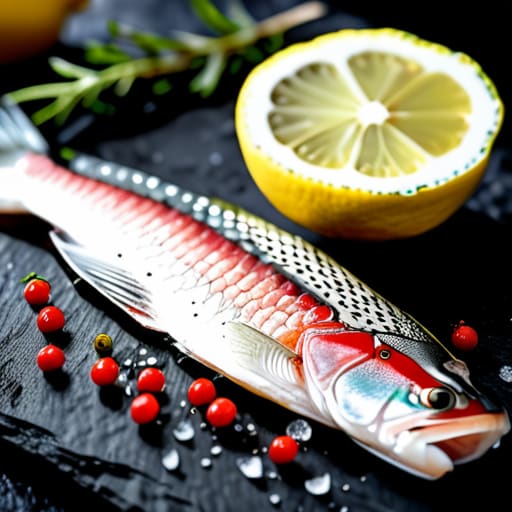
When it comes to seasoning, I always tell my clients: don’t let the spices bully the ingredient. Fish is delicate, and your goal is to highlight that natural sweetness, not mask it under a mountain of heavy rubs. I love starting with the basics—flaky sea salt and a crack of fresh black pepper—to build a foundation. If you’re looking for some quick seasoning fresh fish tips, try incorporating citrus zest or a touch of smoked paprika to add depth without overwhelming the palate. Just remember, a little goes a long way when you’re working with such high-quality proteins.
Once you’ve prepped your fillet, the real magic happens in the pan. If you’re nervous about a mess, focus on your pan searing techniques for seafood by ensuring your skillet is ripping hot before the fish even touches the surface. A common headache for many home cooks is preventing fish from sticking to pan, so I highly recommend patting your fillets bone-dry with a paper towel before seasoning. This ensures that beautiful, golden-brown crust we all crave, rather than a sad, steamed mess.
The Chef’s Secret Sauce: 5 Pro-Tips for Flawless Fish
- Trust your senses, not just the timer; the best way to know your fish is done is to gently press it with your finger or a fork—if it flakes easily and feels firm yet bouncy, you’ve hit culinary gold.
- Pat that skin bone-dry before it hits the pan; if you want that restaurant-quality crispy skin we all dream about, moisture is your biggest enemy, so grab a paper towel and get to work.
- Don’t be afraid of a little heat, but give your fish a moment to breathe; start with a hot pan to get that beautiful sear, but remember that the residual heat will continue to cook the center once you pull it off the stove.
- Respect the resting period; just like a great steak, letting your fish rest for a minute or two after cooking allows the juices to redistribute, ensuring every bite is succulent rather than dry.
- Keep your tools simple and your confidence high; you don’t need a kitchen full of gadgets, just a good non-stick pan or a reliable cast iron and the intuition to know when the aroma tells you it’s ready.
The Chef’s Cheat Sheet: Bringing it All Together
Respect the ingredient by choosing high-quality, fresh fish that speaks to your palate, whether you’re starting with a forgiving fillet or something a bit more adventurous.
Don’t be afraid to let your personality shine through your seasoning; a little bit of salt, acid, and heat can transform a simple piece of protein into a culinary standout.
Master the heat to honor your fish, ensuring you cook with intention so every bite feels like a soulful, professional-grade masterpiece rather than just another meal.
The Heart of the Pan
“Cooking fish isn’t about mastering a rigid technique; it’s about learning to listen to the sizzle and respecting the delicate soul of the ingredient so you can turn a simple fillet into a masterpiece that tells a story.”
Amelia Johnson
From Pan to Plate: Your Culinary Journey Awaits
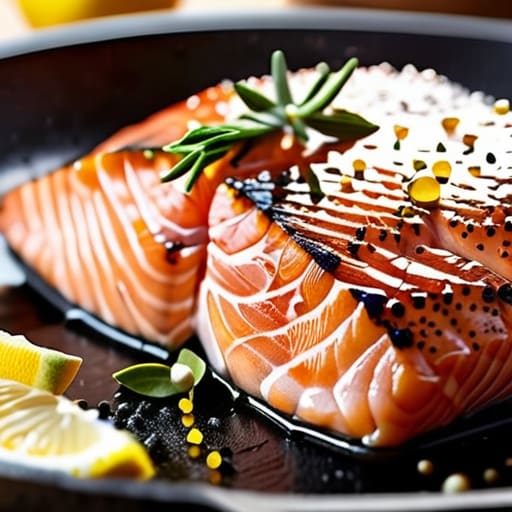
As we wrap up our deep dive into the world of seafood, remember that mastering fish is all about the harmony between quality and technique. We’ve talked about selecting the perfect “muse” from the market, ensuring you start with the freshest catch possible, and using those essential seasoning tips to really let the natural flavors shine. Whether you are pan-searing a delicate fillet or roasting a hearty piece of salmon, the secret lies in respecting the ingredient and managing your heat with intention. Don’t be afraid to experiment with those spices in your pantry—sometimes a little bit of citrus or a pinch of smoked paprika is all it takes to turn a simple meal into something truly extraordinary.
At the end of the day, I want you to remember that cooking isn’t about perfection; it’s about the connection you feel with the food you create. Every time you step into the kitchen, you are practicing a beautiful form of self-expression that feeds more than just your hunger. So, grab your apron, trust your instincts, and don’t let the fear of a little skin sticking to the pan hold you back. You have the tools, the passion, and the creative spark necessary to master this craft. Go out there and cook with soul, because the world is waiting to taste what you can do!
Frequently Asked Questions
How can I tell if my fish is actually fresh when I'm standing at the seafood counter?
Trust me, I’ve been there—staring at a massive seafood display, feeling totally overwhelmed. Here’s my pro tip: use your senses! First, look for clarity; eyes should be bright and bulging, not cloudy. Then, give it a gentle sniff. Fresh fish should smell like the ocean, not “fishy.” If it smells strong or funky, walk away! Finally, the flesh should be firm and spring back when touched. If it stays indented, it’s past its prime.
I'm terrified of overcooking it—is there a foolproof way to know exactly when it's done?
Oh, I hear you! That “fear of the dry fillet” is something even seasoned pros deal with. If you want to stop guessing and start feeling confident, grab a digital meat thermometer. It’s a total game-changer. For most white fish, aim for an internal temperature of 145°F, but honestly? I like to pull it off the heat at 135°F-140°F and let the carryover heat do the rest. It keeps everything incredibly juicy and soulful!
What are some easy ways to get that crispy skin without the whole pan turning into a smoky mess?
Oh, the dreaded smoke cloud! Trust me, I’ve been there, standing in a kitchen that looks like a fog machine went rogue. To get that gorgeous, crackling skin without the drama, first, pat that fish bone-dry with paper towels—moisture is the enemy of crispiness! Then, start with a cold pan or use a medium-high heat and don’t crowd the space. A little lid crack can help manage the steam while keeping the skin golden.


Amelia Johnson
I believe that food is not just sustenance but an expression of culture and creativity. Let’s explore how we can turn our culinary passions into rewarding careers that feed both our souls and our wallets.