
How to Secure Your Home Wifi Network
I remember being back in my grandmother’s kitchen in Vermont, where the only thing we had to worry about was whether the sourdough starter was breathing properly. Fast forward to my life as a consultant, and I’ve realized that trying to figure out how to secure your home wifi can feel just as overwhelming as trying to master a delicate soufflé on your first try. Most tech gurus will try to sell you on expensive, high-tech gadgets that cost more than a professional knife set, claiming they’re the only way to stay safe. Honestly? That’s just marketing fluff, and it’s time we stopped letting the hype dictate our digital kitchens.
I’m not here to give you a lecture filled with confusing jargon that leaves your head spinning. Instead, I want to give you the straight-up, no-nonsense recipe for protecting your digital space. I’m going to walk you through the essential steps to lock down your network using practical, easy-to-follow methods that actually work. Think of this as your culinary bootcamp for cybersecurity—we’re going to strip away the unnecessary complexity and focus on the core ingredients that will keep your data safe and your connection tasty and secure.
Table of Contents
Change Router Admin Password to Protect Your Recipe
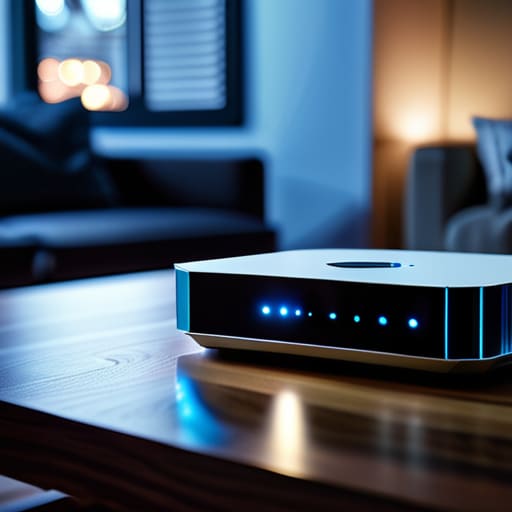
Think of your router’s admin credentials like the master recipe for your signature dish—if you leave it sitting on the counter for anyone to grab, your entire kitchen is compromised. Most routers come out of the box with generic, factory-set passwords like “admin” or “password.” This is the digital equivalent of leaving your restaurant’s back door unlocked overnight. To truly fortify your perimeter, you need to change router admin password immediately. It’s a quick task, but it’s the foundation of preventing unauthorized wifi access from neighbors or, worse, someone looking to cause real mischief.
Once you’ve swapped out that flimsy default password for something robust and unique, don’t stop there. I always tell my clients that a great dish needs more than just a good base; it needs layers of flavor. In the same way, you should dive into your settings to disable WPS for security. While that little button is convenient for connecting devices quickly, it’s notoriously easy for hackers to exploit. Taking these small, proactive steps ensures that your digital kitchen remains your own private sanctuary.
Disable Wps for Security to Stop Unwanted Guests
Think of your Wi-Fi like a high-end bistro; you wouldn’t leave the back service door propped open with a brick, right? That’s essentially what WPS (Wi-Fi Protected Setup) does for your digital kitchen. While that little button is super convenient for quickly connecting a new smart toaster or a phone without typing in a long string of characters, it’s also a massive vulnerability. It’s a bit like leaving a side entrance unlocked just because it’s easier than using the front door—eventually, someone is going to find it. To keep your digital pantry safe, you really need to disable WPS for security within your router settings.
Once you’ve tucked that vulnerability away, you can focus on more robust ways of preventing unauthorized wifi access. Instead of relying on that “easy button,” I recommend leaning into stronger protocols. If your hardware supports it, take a peek at your WPA3 encryption settings to ensure you’re using the latest, most flavorful security standards available. It might take an extra few seconds to type in your password, but it’s a small price to pay for peace of mind. After all, we want your network to be a private dining experience, not a free-for-all buffet!
Five More Ways to Keep Your Digital Kitchen Clean and Secure
- Upgrade Your Encryption to WPA3: Think of encryption like the airtight seal on a sous-vide bag. If your security protocol is outdated—like using the old WEP standard—it’s like leaving your pantry door wide open. Switch your router settings to WPA3 (or at least WPA2) to make sure your data stays tucked away and protected from prying eyes.
- Create a Guest Network for Uninvited Dinner Guests: We’ve all had that one friend who asks for the Wi-Fi password the second they walk in. Instead of giving them the keys to your entire digital kingdom, set up a dedicated guest network. It’s like having a separate table for visitors; they get the service they need, but they can’t wander into your private prep kitchen or mess with your main appliances.
- Keep Your Firmware Fresh Like Seasonal Ingredients: Just like you wouldn’t use wilted herbs in a signature sauce, you shouldn’t run outdated router software. Manufacturers release firmware updates to patch security holes. Set your router to auto-update if you can, or make it a habit to check in once a month to ensure your system is as sharp as a freshly honed chef’s knife.
- Hide Your SSID to Stay Under the Radar: If you want to keep things low-key, you can actually hide your network name (the SSID). It’s a bit like a “members only” speakeasy; if your network doesn’t broadcast its name to everyone passing by, it’s a lot harder for someone to even realize there’s a feast worth crashing.
- Disable Remote Management to Lock the Back Door: Some routers allow you to change settings from anywhere in the world via the internet. While that sounds convenient, it’s a bit like leaving the service entrance to your restaurant unlocked overnight. Unless you absolutely need to tweak your settings while you’re out exploring street food in Bangkok, turn off remote management to keep the control strictly in your hands.
The Chef's Final Prep: Keeping Your Digital Kitchen Safe
Treat your router’s admin credentials like your secret family recipe—never leave them as the default “out of the box” settings, or anyone can walk right in and mess with your ingredients.
Think of WPS as an unlocked back door to your restaurant; it might be convenient for quick deliveries, but it’s way too easy for uninvited guests to slip through.
Just like you wouldn’t serve a dish without tasting it first, always double-check your security settings regularly to make sure your digital kitchen stays as secure as it is delicious.
“Think of your Wi-Fi security just like a high-end kitchen: you wouldn’t leave the back door unlocked or the pantry wide open for any passerby to grab a snack, so don’t leave your network vulnerable to uninvited guests just because you’re too busy prepping the main course.”
Amelia Johnson
Serving Up a Secure Connection
Think of all these steps as the mise en place for your digital kitchen. Just like you wouldn’t leave your expensive copper pans out in the rain or leave your pantry door wide open to every passerby, you shouldn’t leave your network vulnerable. By updating that admin password and disabling WPS, you’ve essentially locked the back door and secured your most precious ingredients. It might feel like a bit of extra prep work upfront, but once your digital foundation is seasoned and secure, you can stop worrying about who might be sneaking a taste of your data and get back to what really matters: enjoying your connection.
At the end of the day, whether you are perfecting a sourdough starter or building a career in the culinary arts, success is all about the details. We often focus so much on the “big flavors” that we forget the importance of the underlying structure. Securing your Wi-Fi is just one way to ensure that the environment you’ve built—both online and off—is a place where you can truly flourish. So, take these small, proactive steps today, and give yourself the peace of mind to focus on your next big passion project. You’ve got this, and I’m rooting for you!
Frequently Asked Questions
Is it worth the extra effort to set up a separate "guest network" for my friends and visitors?
Think of a guest network like a dedicated appetizer course: it keeps the main event—your private data—safe and untouched. Honestly, it’s absolutely worth the effort! When friends visit, they shouldn’t have direct access to your “pantry” of smart devices and personal files. Setting up a separate network keeps your primary connection clean and secure, ensuring your digital kitchen stays organized and protected from any unexpected spills or uninvited guests.
How often should I be "refreshing" my passwords to keep my digital kitchen secure?
Think of your passwords like fresh herbs in a busy kitchen—if you let them sit too long, they lose their potency. I’d recommend a “seasonal refresh” every three to six months. However, if you notice any suspicious activity, don’t wait for the next season; change them immediately! It’s much better to proactively rotate your credentials than to realize your digital pantry has been raided after the fact. Stay sharp!
Will updating my router's firmware actually make a difference, or is it just a tech headache?
Think of a firmware update like cleaning and sharpening your chef’s knives. It might feel like a chore in the moment, but it’s absolutely essential for keeping everything running smoothly and safely. These updates patch up security holes that hackers love to exploit—kind of like fixing a leak in your pantry before it ruins the whole stock. It’s not just a tech headache; it’s the best way to keep your digital kitchen secure!


Amelia Johnson
I believe that food is not just sustenance but an expression of culture and creativity. Let’s explore how we can turn our culinary passions into rewarding careers that feed both our souls and our wallets.