
How to Recover From Job Burnout
I still remember the smell of scorched garlic and the deafening, rhythmic thud-thud-thud of a knife against a cutting board that felt like it was mocking my every move. It was 11:00 PM in a cramped Manhattan kitchen, my hands were shaking, and I realized I couldn’t even remember why I loved cooking in the first place. I wasn’t just tired; I was hollowed out, staring at a line of tickets like they were a death sentence. Dealing with burnout isn’t just about needing a long nap or a weekend away from the stove; it’s that soul-crushing realization that your passion has turned into a chore you can no longer stomach.
I’m not here to sell you on expensive retreats or some “mindfulness” ritual that ignores the reality of a grueling industry. Instead, I want to share the real-world strategies I’ve gathered from years in professional kitchens and as a consultant to help you reclaim your spark. We are going to talk about practical, sustainable ways to protect your energy without sacrificing your career, ensuring you can keep feeding both your soul and your bank account.
Table of Contents
- Listening to Your Soul Identifying Burnout Before the Fire Dies
- Preventing Occupational Stress Through Mindful Culinary Practices
- Reclaiming Your Palate: 5 Ways to Turn Down the Heat
- The Chef's Cheat Sheet: Quick Wins for Your Mental Menu
- ## Reclaiming Your Creative Spark
- Turning the Heat Down to Level Up
- Frequently Asked Questions
Listening to Your Soul Identifying Burnout Before the Fire Dies

In the kitchen, we’re trained to notice the tiniest changes—the way a sauce breaks or when a steak is a fraction too rare. You need to apply that same sensory precision to yourself. Burnout doesn’t usually arrive with a loud bang; it’s more like a slow simmer that eventually boils over. You might find yourself staring at a prep list you used to breeze through, feeling a heavy, inexplicable sense of dread. These signs of emotional exhaustion are your body’s way of sending up a flare, telling you that your internal pilot light is flickering.
It’s easy to dismiss that irritability or the sudden lack of joy in a perfect plating as just “a tough service,” but ignoring those gut feelings is a recipe for disaster. I’ve learned the hard way that ignoring the warning signs only leads to a much more expensive kitchen shutdown later on. Start paying attention to whether you’re withdrawing from your team or if your creativity feels like it’s been replaced by a dull, repetitive ache. Recognizing these shifts early is the first step toward reclaiming your spark.
Preventing Occupational Stress Through Mindful Culinary Practices
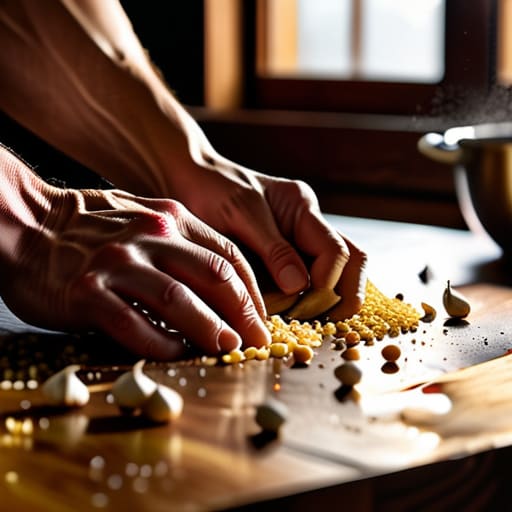
Now, I know what you’re thinking: “Amelia, I don’t have time to meditate between a lunch rush and a dinner prep!” I get it. Believe me, I’ve stood in a walk-in fridge just trying to breathe. But preventing occupational stress isn’t about adding more tasks to your to-do list; it’s about changing how you interact with your craft. I’ve found that practicing “sensory grounding” during service—really focusing on the aroma of a blooming garlic or the tactile rhythm of a knife against a board—can act as a tiny, momentary anchor. It’s a way of staying present rather than letting the mounting tickets pull you into a spiral of anxiety.
Beyond the kitchen line, we have to get serious about setting professional boundaries. When you’re a chef, the line between your life and your job gets blurry faster than a poorly emulsified hollandaise. You have to decide that when you hang up that apron, you are off the clock. This means implementing actual work-life balance strategies, like leaving the group chats alone after midnight, to protect your headspace. If you don’t guard your time, the industry will happily consume it all.
Reclaiming Your Palate: 5 Ways to Turn Down the Heat
- Step away from the line and find your “flavor” again. When we’re burnt out, we often stop cooking for joy and start cooking for survival. I want you to pick one night a week where you aren’t a chef, a consultant, or a professional—you’re just a person eating something delicious. Cook something that has zero stakes, no plating requirements, and no profit margins. Just pure, unadulterated pleasure.
- Audit your “Mise en Place” for life. In the kitchen, if your station is a mess, your service will be a disaster. The same goes for your mental state. Look at your daily schedule and see what’s cluttering your headspace. Are you saying ‘yes’ to every extra shift or consulting gig just because you feel guilty? Start prepping your boundaries as carefully as you’d prep a delicate emulsion.
- Find your culinary tribe outside the weeds. Sometimes, the people we work with are the ones we’re most stressed by. To avoid feeling isolated in your exhaustion, connect with fellow food lovers who don’t talk shop. Whether it’s a local gardening club or a street food tour group, you need spaces where your identity isn’t tied to a paycheck or a kitchen timer.
- Treat your body like your most expensive piece of equipment. You wouldn’t run a high-end convection oven for 72 hours straight without maintenance, so why do it to yourself? Sleep, hydration, and actual nutrition (not just cold fries at 1 AM) are non-negotiable. If your physical foundation is crumbling, your creative spark won’t have anything to burn on.
- Reconnect with the “Why” through sensory exploration. When the burnout feels heavy, I find it helps to get back to basics. Go to a farmer’s market, smell the fresh basil, touch the heirloom tomatoes, and remember that food is a gift. Reminding yourself of the raw beauty of ingredients can help shift your perspective from “this is a job” to “this is a craft.”
The Chef's Cheat Sheet: Quick Wins for Your Mental Menu
Treat your rest like a non-negotiable ingredient; you wouldn’t run a service without salt, so don’t try to run your life without recovery.
Set boundaries that protect your creative spark, because if you give every ounce of yourself to the line every single day, there won’t be anything left for the food you actually love.
Reconnect with the “why” behind your passion by cooking something purely for joy, outside of a professional kitchen and without a single ticket hanging in the air.
## Reclaiming Your Creative Spark
“Burnout isn’t just being tired; it’s when the food you once loved starts tasting like nothing at all. Don’t wait until your passion is completely burnt to the bottom of the pan to turn down the heat—sometimes, the most productive thing you can do for your career is to step away from the line and remember why you fell in love with the kitchen in the first place.”
Amelia Johnson
Turning the Heat Down to Level Up
At the end of the day, reclaiming your joy in the kitchen isn’t about a single grand gesture; it’s about the small, intentional shifts you make every single service. We’ve talked about how crucial it is to listen to those early warning signs of exhaustion and how incorporating mindful practices can act as your personal culinary stabilizer. Whether it’s setting better boundaries with your prep schedule or simply taking five minutes to actually taste your sauce without the pressure of a ticking clock, these steps are vital. Remember, you can’t produce a five-star experience if your own internal pantry is completely empty. Protecting your mental energy is just as important as maintaining your knife skills.
I know how heavy the heat can feel sometimes, and I’ve been in those trenches where the passion feels like it’s been replaced by nothing but smoke and stress. But please, don’t let a temporary season of burnout convince you that you aren’t meant for this life. This industry is a marathon, not a sprint, and even the most seasoned chefs need to step away from the line to find their flavor again. You have a unique gift to share with the world, so be kind to yourself while you rediscover it. Keep your fire burning, but learn when to turn the dial down so you don’t burn the whole kitchen down. You’ve got this!
Frequently Asked Questions
I'm starting to feel the symptoms, but how do I tell the difference between just a really brutal service week and actual, deep-seated burnout?
Think of it like this: a brutal service week is like a heavy reduction—it’s intense, exhausting, and leaves you feeling drained, but once the rush is over, you can recover with a good night’s sleep and a decent meal. Burnout, though? That’s like a broken sauce that won’t emulsify no matter how hard you whisk. If the exhaustion lingers even on your days off and you’ve lost that spark of joy for the craft, you’re likely facing something deeper.
Is it possible to stay in the culinary industry and find a better work-life balance, or am I destined to choose between my passion and my mental health?
Oh, I hear you, and I want you to take a deep breath: you are absolutely not destined to choose between your sanity and your sauté pan. I’ve seen so many chefs think the “grind” is the only way, but that’s just old-school burnout masquerading as passion. Whether it’s pivoting to consulting, private chef work, or even R&D, there are so many ways to keep cooking without losing yourself in the weeds.
Once I've identified that I'm burnt out, what are some practical ways to talk to my Chef or manager about it without sounding like I'm just not "tough enough" for the kitchen?
The Recipe for a Real Conversation: How to Talk to Your Chef


Amelia Johnson
I believe that food is not just sustenance but an expression of culture and creativity. Let’s explore how we can turn our culinary passions into rewarding careers that feed both our souls and our wallets.