How to Bake Bread at Home (no Fancy Equipment)
I still remember the frantic, flour-dusted chaos of my first professional kitchen in NYC, where the scent of proofing dough was constant and the pressure was absolutely relentless. Back then, I thought mastering the craft meant owning every expensive gadget on the market and following hyper-technical, intimidating formulas that felt more like chemistry experiments than cooking. But honestly? Most of those high-brow tutorials make learning how to bake bread at home feel like you need a PhD just to get a decent crust. I’ve seen too many aspiring cooks walk away from the oven because they were told they needed a specialized stone, a digital hygrometer, and a mountain of patience they didn’t know they had.
I’m here to tell you that we’re stripping all that unnecessary noise away. My goal is to give you the real-world, chef-tested truth about turning simple ingredients into something spectacular, without the gatekeeping or the expensive gear. I promise to guide you through the actual rhythm of the dough, focusing on the intuition and soul that make baking a joy rather than a chore. We aren’t just making food here; we’re building a sustainable culinary skill that will feed your creativity for a lifetime.
Table of Contents
Mastering Yeast Fermentation Process for Flavorful Loaves
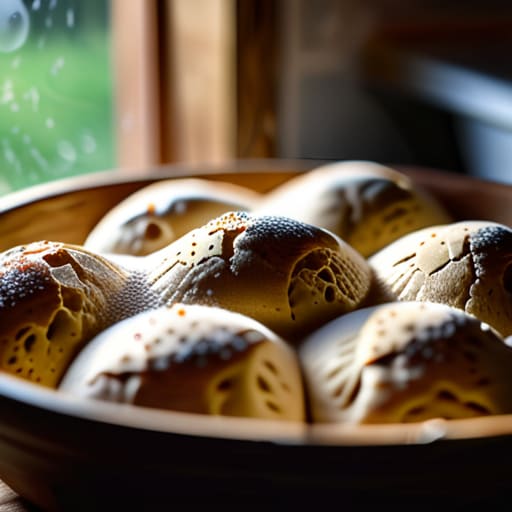
Now, let’s talk about the real magic trick of the kitchen: the yeast fermentation process. I remember my first week in a high-pressure NYC kitchen, watching chefs handle dough like it was a living, breathing thing. They weren’t just mixing ingredients; they were nurturing a culture. When you’re practicing bread making for beginners, it’s easy to get impatient and want to rush the rise, but patience is actually your most important ingredient. As the yeast consumes the sugars in the flour, it releases carbon dioxide, creating those beautiful air pockets we all crave. This isn’t just about volume; it’s where those complex, tangy aromas develop.
If you want to level up from basic loaves to true artisan bread at home, you have to pay close attention to temperature and timing. Think of fermentation as a slow dance between biology and chemistry. If your kitchen is too chilly, the yeast will take its sweet time; if it’s too hot, you might lose that delicate flavor profile. I always tell my consulting clients that mastering the environment is just as vital as mastering your kneading techniques. Treat your dough with respect, and it will reward you with a crust and crumb that tastes like pure soul.
Essential Baking Equipment for Your Creative Kitchen
Now, before you dive headfirst into a mountain of flour, let’s talk about your toolkit. I know, I know—when you’re just starting out with bread making for beginners, it’s tempting to think you need a professional-grade kitchen to get results. But honestly? You don’t need a commercial oven to create something magical. The most important thing is having a few reliable tools that act as extensions of your hands. A sturdy digital scale is my absolute non-negotiable; in the world of baking, precision is your best friend. Measuring by volume with cups is a recipe for heartbreak, but weighing your ingredients ensures that your hydration levels are spot on every single time.
Beyond the scale, I always recommend investing in a good quality Dutch oven. If you want to achieve that crackly, golden crust we all crave when making artisan bread at home, the Dutch oven is a total game-changer. It traps steam right inside the pot, mimicking a professional steam oven and allowing your loaf to expand beautifully. You might also want to grab a simple bench scraper to help with those messy kneading dough techniques—it makes cleaning up much less of a headache and keeps your workspace tidy. Think of these tools not as chores, but as the gear that helps your creativity shine.
Five Little Secrets to Elevate Your Home Bakery
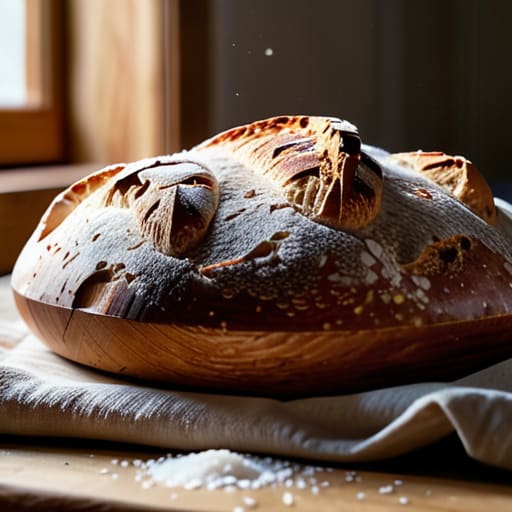
- Don’t be afraid to get your hands dirty—the tactile sensation of feeling the dough change from shaggy to silky is the best way to learn if your gluten development is actually on track.
- Invest in a decent digital scale because, in the world of professional baking, precision is your best friend; measuring flour by volume is a recipe for inconsistency and heartbreak.
- Embrace the slow burn by giving your dough more time to rest; patience is the secret ingredient that allows those complex, tangy flavors to truly develop during the fermentation stage.
- Keep a close eye on your kitchen’s microclimate, because a chilly afternoon in Vermont or a humid summer day can drastically change how your dough rises, so stay adaptable.
- Treat your oven like a professional hearth by using a Dutch oven or a preheated baking stone to trap steam, which is the magic trick for getting that gorgeous, crackly crust we all crave.
Bringing the Soul of the Bakery into Your Home
Remember that baking is a conversation between you and your dough; don’t be afraid to trust your senses—the feel of the texture and the smell of the yeast are often better guides than any rigid recipe.
Invest in quality over quantity when it comes to your tools, because a reliable Dutch oven or a sturdy bench scraper isn’t just gear—it’s an investment in your creative freedom.
Embrace the imperfections, because a slightly wonky crust or a rustic shape only adds character to your loaf and proves that this was made by human hands, not a factory machine.
The Soul in the Sourdough
“Baking bread isn’t just about following a recipe or measuring flour; it’s about that magical, messy moment when you realize you’re breathing life into a simple dough, turning basic ingredients into a warm, crusty masterpiece that tastes like home.”
Amelia Johnson
From Flour to Flourish
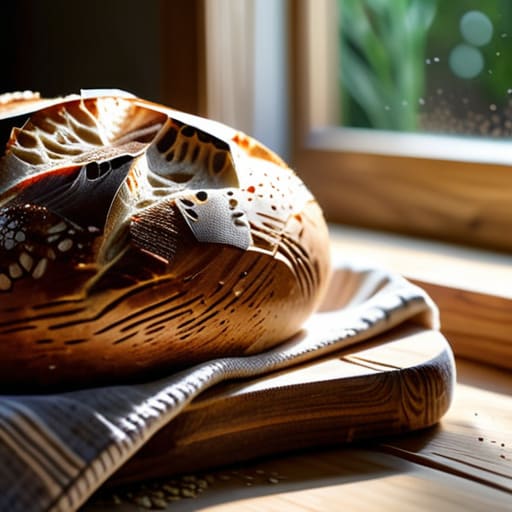
As we wrap up our journey through the science and soul of home baking, remember that it all comes down to the harmony of the fundamentals. We’ve explored how mastering the delicate dance of yeast fermentation can unlock deep, complex flavors, and we’ve identified the essential tools that turn your kitchen into a professional-grade sanctuary. Whether you’re working with a high-end Dutch oven or just a trusty baking sheet, the goal is the same: to respect the ingredients and trust your intuition. Don’t let the technicalities intimidate you; once you have your equipment set and your fermentation timing down, you’ve already conquered the hardest parts of the craft.
At the end of the day, baking bread is so much more than just a recipe—it is a transformative ritual that connects you to something ancient and beautiful. There is a profound, quiet magic in pulling a warm, golden loaf from your oven, knowing you created that life from nothing more than flour, water, and salt. I want you to embrace the messy flour-dusted counters and the occasional failed loaf, because every mistake is just another lesson on your path to culinary mastery. So, preheat that oven, breathe in that heavenly aroma, and let your creativity rise. You’ve got this!
Frequently Asked Questions
I’ve tried a few times but my dough always comes out like a brick—how can I tell if I’ve over-kneaded it or if my yeast is just acting up?
Oh, the dreaded “bread brick”—we’ve all been there! If your dough feels tight, rubbery, and snaps back like a rubber band when you poke it, you’ve likely over-kneaded and broken those delicate gluten strands. But, if the dough feels heavy and just refuses to rise at all, your yeast might be sleeping on the job (or you accidentally gave it a hot bath!). Always check your water temperature; if it’s too hot, it’ll kill the magic!
Is it really worth investing in a Dutch oven, or can I get that same crispy, professional crust using just a standard baking sheet?
Look, I get it—space and budget are real concerns in a home kitchen. You can get a decent crust on a baking sheet by using a pan of boiling water to create steam, but honestly? If you’re serious about that bakery-style crackle, the Dutch oven is a total game-changer. It traps the bread’s own moisture perfectly, creating a mini-steam chamber. It’s one of those rare investments that truly pays off in flavor and texture!
How do I handle the timing if I want to bake fresh bread for breakfast without having to wake up at 3:00 AM to start the dough?
Trust me, I’ve been there—staring at a bowl of dough at 3:00 AM while wishing I was still dreaming. The secret to those warm, breakfast aromas without the sleep deprivation? Cold fermentation! Simply pop your dough in the fridge overnight. That slow, chilly rise develops incredible depth of flavor and lets you sleep in. Just pull it out, let it come to temp, and bake while you sip your morning coffee. Happy sleeping!


Amelia Johnson
I believe that food is not just sustenance but an expression of culture and creativity. Let’s explore how we can turn our culinary passions into rewarding careers that feed both our souls and our wallets.