How to Prevent Mold in Your Home Before It Starts
I’ll never forget the smell of a walk-in cooler in a high-pressure NYC kitchen during a humid July; it wasn’t just the scent of prep work, but that heavy, damp, unmistakable funk of something going wrong in the shadows. I learned the hard way that no amount of expensive, high-tech air purifiers can save you if you don’t understand the basics of moisture control. Most people think they need a massive budget to tackle humidity, but honestly, learning how to prevent mold is much more about consistent, simple habits than it is about buying every gadget on the market.
I’m not here to sell you on overpriced chemical sprays or complicated industrial systems that won’t actually solve your problem. Instead, I want to share the real-world, no-nonsense strategies I’ve gathered from years of managing professional kitchens and my own home. We are going to dive into the practical, experience-based tactics that actually work to keep your space fresh, safe, and ready for creativity. Let’s get your environment back in tip-top shape so you can focus on what really matters: the food.
Table of Contents
- Controlling Indoor Humidity Levels for a Fresh Atmosphere
- Mold Prevention for Homeowners Protecting Your Creative Space
- Keeping Your Culinary Sanctuary Spick, Span, and Spore-Free
- My Top Tips for a Mold-Free Kitchen and Home
- Protecting Your Culinary Sanctuary
- Keeping Your Creative Sanctuary Fresh
- Frequently Asked Questions
Controlling Indoor Humidity Levels for a Fresh Atmosphere

Think of your home like a professional kitchen; if the air is too heavy and damp, everything starts to feel off, and things can go south pretty quickly. One of the most effective ways to keep your space feeling light and airy is through controlling indoor humidity levels. I always tell my clients that moisture is the silent enemy of a clean environment. If you notice that your windows are constantly fogging up or your walls feel a bit clammy, those are classic signs of hidden mold growth trying to take root.
If you have a basement that feels like a damp cellar in a rustic Vermont farmhouse, you’re likely dealing with significant moisture buildup. Reducing moisture in basement areas often requires more than just opening a window; you might need to invest in some quality equipment. I’ve seen firsthand how much of a difference the best dehumidifiers for mold prevention can make in keeping a space breathable and safe. It’s all about finding that sweet spot where the air feels crisp, ensuring your sanctuary remains a place of creativity rather than a breeding ground for unwanted guests.
Mold Prevention for Homeowners Protecting Your Creative Space
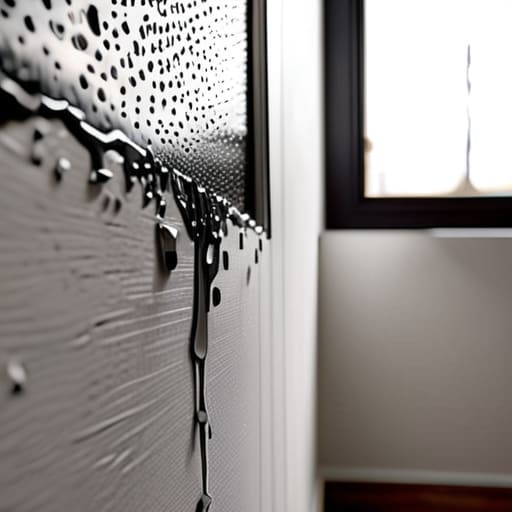
When I was running a high-pressure kitchen in NYC, I learned that a single damp corner could ruin an entire station. Your home is no different; it’s your sanctuary and your creative headquarters, so you have to treat it with the same respect. For those focused on mold prevention for homeowners, the secret lies in being proactive rather than reactive. Don’t wait for that fuzzy green patch to appear on your drywall. Instead, keep a sharp eye out for the subtle signs of hidden mold growth, like a musty odor that just won’t quit or paint that looks slightly bubbly.
I also can’t stress enough how much the “wet zones” of your house need extra love. Preventing mold in bathrooms is all about airflow; always use your exhaust fan during and after a long, steamy shower to keep the air moving. If you have a lower level that feels a bit heavy or damp, you might need to look into reducing moisture in basement areas by investing in a solid unit. Think of it as prepping your mise en place—if you set the foundation correctly, everything else runs smoothly!
Keeping Your Culinary Sanctuary Spick, Span, and Spore-Free
- Don’t let your sink become a swamp; after you’ve finished prepping that beautiful seasonal produce, make sure to wipe down your counters and sink completely dry. Stagnant moisture is basically an open invitation for mold to move in and make itself at home.
- Give your kitchen some breathing room by using your exhaust fan whenever you’re boiling water or sautéing. Those clouds of steam might look cozy, but if they settle on your walls and cabinets, they’re just fueling a mold party you definitely didn’t invite.
- Check your pantry’s “blind spots” regularly. I’ve learned the hard way that a forgotten bag of flour or a rogue onion tucked in the back of a dark cupboard can become a breeding ground for fuzz if there isn’t enough airflow.
- Treat your appliances like the pros do and clean out the seals on your fridge and dishwasher. Those little rubber gaskets are notorious for trapping moisture and organic bits, and trust me, you don’t want that funky smell competing with your fresh basil.
- If you’re a fan of indoor herbs—and I know I am—be careful not to overwater them. Keeping your windowsill garden happy is a joy, but soggy soil in a poorly ventilated corner is a recipe for mold disaster in your beautiful kitchen.
My Top Tips for a Mold-Free Kitchen and Home
Keep an eye on the moisture; just like you wouldn’t want a sauce to break, you don’t want your humidity levels to spike and invite unwanted guests like mold.
Treat your living space like a professional kitchen by staying proactive with cleaning and ventilation to protect both your belongings and your creative energy.
Don’t wait for a problem to brew—regular maintenance is the secret ingredient to ensuring your home stays as fresh and inviting as a perfectly seasoned dish.
Protecting Your Culinary Sanctuary
“Just like a delicate soufflé can collapse if the kitchen environment isn’t just right, your home’s atmosphere needs the right balance to thrive; preventing mold isn’t just about maintenance, it’s about protecting the very space where your creativity and comfort live.”
Amelia Johnson
Keeping Your Creative Sanctuary Fresh

At the end of the day, preventing mold isn’t just about checking boxes on a maintenance list; it’s about being proactive with your environment. We’ve talked about everything from keeping those humidity levels in check to ensuring your physical space remains a clean, dry canvas for your passions. Whether you are managing a busy home kitchen or just trying to keep your living room feeling airy, remember that consistency is your best ingredient. By staying on top of moisture control and ventilation, you aren’t just protecting your walls—you are protecting the very air you breathe and the sanctuary you’ve worked so hard to build.
I truly believe that our surroundings have a profound impact on our ability to create and thrive. When your space feels fresh and vibrant, your mind follows suit, leaving more room for the culinary adventures and creative sparks that make life delicious. Don’t let the dread of a little dampness or a fuzzy corner stall your momentum. Take these steps, trust your instincts, and nurture your home as if it were a fine recipe. You deserve a space that inspires you to cook, dream, and live fully every single day. Now, go out there and make something amazing!
Frequently Asked Questions
I've noticed some weird spots under my sink; how can I tell if it's just a little surface grime or if I'm actually dealing with a real mold problem?
Ugh, those mysterious spots under the sink—I’ve been there! When I was running kitchens in NYC, a little dampness under a prep station could turn into a nightmare overnight. Here’s the deal: if it wipes away easily with soap and water, it’s likely just grime. But if it feels fuzzy, smells musty, or seems “rooted” into the surface, that’s mold. Trust your nose; if it smells funky, don’t ignore it!
Are there any natural, kitchen-friendly ways to fight off mold without using those harsh, overwhelming chemicals that ruin the vibe of my home?
I totally get it—nobody wants their kitchen smelling like a sterile hospital wing when they’re trying to whip up something delicious. Honestly, I rely on my pantry for this! A simple mixture of white vinegar and water is a total game-changer; it cuts through mold without stripping the soul out of your space. For a little extra punch, a sprinkle of tea tree oil works wonders. It’s effective, natural, and keeps the vibe just right.
Since I love hosting dinner parties, what are some quick ways to check if my pantry or spice collection has been compromised by moisture?
Oh, I feel this! There is nothing worse than prepping a killer meal only to find your spices have turned into clumps. First, give your jars a quick “sniff test”—if they smell musty rather than aromatic, toss them. Check for clumping, too; if your spices aren’t flowing freely, moisture has likely moved in. And definitely peek at the bottom of your pantry for any dampness or stray grains of rice that look “off.”


Amelia Johnson
I believe that food is not just sustenance but an expression of culture and creativity. Let’s explore how we can turn our culinary passions into rewarding careers that feed both our souls and our wallets.