How to Meal Plan and Stop Wondering What’s for Dinner
If you’ve ever scrolled through social media and felt like you needed a master’s degree and a professional studio just to figure out how to meal plan, please, let’s just collectively roll our eyes. I see these perfectly curated, color-coded Tupperware graveyards filled with nothing but steamed broccoli and unseasoned chicken breasts, and frankly, it makes my culinary soul ache. Real life isn’t a sterile showroom; it’s messy, it’s fast-paced, and sometimes it’s just plain exhausting. You shouldn’t have to sacrifice flavor and joy just to keep your kitchen from descending into total chaos.
I’m not here to sell you on a rigid, soul-crushing system that turns your kitchen into a factory line. Instead, I want to share the actual, battle-tested strategies I learned navigating high-pressure NYC kitchens and my own chaotic freelance life. I’m going to show you how to build a framework that actually works for your unique rhythm, allowing you to save money and time without ever losing that creative spark that makes cooking so much fun. Let’s turn your weekly menu into something that feeds your ambition and your appetite.
Table of Contents
- Batch Cooking Strategies to Fuel Your Culinary Ambitions
- Grocery List Organization for the Intentional Creator
- Five Pro-Tips to Transform Your Meal Planning from a Chore into a Creative Ritual
- The Chef's Cheat Sheet for Culinary Success
- ## The Heart of the Prep
- From Planning to Plate: Your Culinary Journey Awaits
- Frequently Asked Questions
Batch Cooking Strategies to Fuel Your Culinary Ambitions
Batch Cooking Strategies to Fuel Your Culinary Ambitions
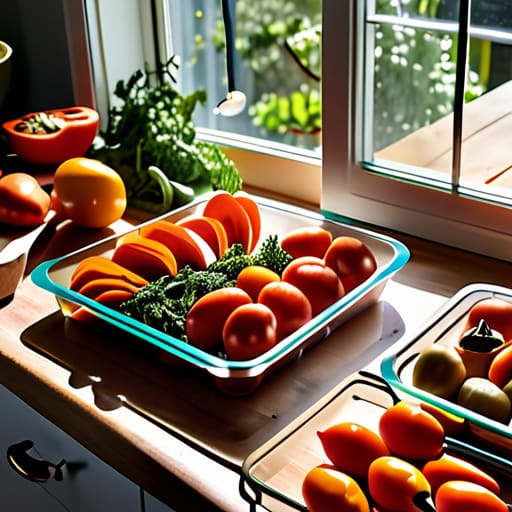
If you’ve ever stood in front of an open fridge at 7:00 PM on a Tuesday, staring blankly at a wilted head of lettuce, I’ve been there. Trust me, even after years in professional kitchens, the “what’s for dinner” fatigue is real. This is where mastering batch cooking strategies becomes your secret weapon. Instead of cooking individual meals, think like a chef: prep your components. Roast three trays of seasonal vegetables, simmer a massive pot of protein-rich grains, and whip up a versatile sauce. By focusing on these building blocks, you aren’t just making food; you’re creating a toolkit that allows you to assemble gourmet-level bowls or wraps in minutes.
For those just starting out, I highly recommend focusing on healthy meal prep ideas that prioritize flavor over monotony. Don’t just boil chicken; braise it in aromatics so it stays juicy when reheated. This approach is a cornerstone of budget friendly meal planning because it drastically reduces food waste. When you utilize your ingredients fully and prep in bulk, you’re essentially investing in your future self—saving both precious time and hard-earned money.
Grocery List Organization for the Intentional Creator
Now, let’s talk about the part that usually makes people want to close their laptop and head straight for the takeout apps: the grocery store. If you treat your shopping trip like a chaotic scavenger hunt, you’re essentially setting yourself up for decision fatigue before you even touch a knife. I used to think a long, rambling list was fine, but after years in professional kitchens, I’ve learned that structure is the secret ingredient to a stress-free week. Instead of a random pile of items, try grouping your list by the store’s layout—produce, proteins, dairy, and pantry staples. This kind of grocery list organization isn’t just about saving time; it’s about staying mindful so you don’t end up with three bags of unnecessary snacks just because you were hungry in the snack aisle.
When you approach your shopping with intention, you’re actually practicing a form of budget friendly meal planning that protects both your wallet and your creative energy. I always suggest checking your pantry first to see what “treasures” you already have—maybe a half-empty jar of smoked paprika or a bag of lentils—before you head out. By building your list around what you already own, you reduce waste and ensure that every ingredient you bring home has a clear purpose in your upcoming culinary adventures.
Five Pro-Tips to Transform Your Meal Planning from a Chore into a Creative Ritual
- Shop Your Pantry First: Before you even touch a grocery app, go on a little scavenger hunt in your own cabinets. Finding that half-empty bag of quinoa or that jar of sun-dried tomatoes isn’t just about saving money; it’s about letting your existing ingredients dictate your culinary direction for the week.
- Embrace the “Component” Method: Instead of forcing yourself to cook five distinct, complex recipes, try prepping versatile components. Roast a big tray of seasonal veggies, cook a batch of grains, and prep a killer protein. This way, you have the building blocks to assemble different flavor profiles whenever inspiration strikes.
- Build in “Creative Buffer” Nights: Don’t over-schedule your week to the point of burnout. Leave at least one or two nights completely open for spontaneous cravings, leftovers, or even a quick trip to that new street food stall you’ve been eyeing. A rigid plan is the enemy of culinary joy.
- Theme Your Evenings to Reduce Decision Fatigue: If you find yourself staring blankly at the fridge on a Tuesday, give yourself some guardrails. “Taco Tuesday” or “Mediterranean Monday” narrows your focus and makes the planning process feel like a fun creative prompt rather than a daunting mountain of choices.
- Audit Your Success (and Your Scraps): At the end of the week, take a quick look at what actually made it to the plate and what ended up wilting in the crisper drawer. This isn’t about guilt; it’s about data. Use those insights to refine your next menu so your kitchen stays as efficient as a professional line.
The Chef's Cheat Sheet for Culinary Success
View meal planning as a creative framework rather than a rigid set of rules; it’s about setting the stage for your kitchen adventures, not restricting your culinary intuition.
Master the art of the “modular ingredient”—prep versatile components like roasted veggies or grains that can pivot from a cozy weekday bowl to a sophisticated bistro-style salad.
Treat your grocery list like a professional mise en place for your life, ensuring you have the foundational tools and flavors ready to turn any moment of hunger into an act of self-care.
## The Heart of the Prep
“Don’t view meal planning as a rigid set of rules or a chore to check off a list; instead, see it as the blueprint for your creative freedom, giving you the space to cook with intention rather than just reacting to a hungry stomach.”
Amelia Johnson
From Planning to Plate: Your Culinary Journey Awaits
At the end of the day, meal planning isn’t about rigid rules or checking boxes on a never-ending to-do list; it’s about reclaiming your time and your creativity. By mastering the art of batch cooking and keeping your grocery lists organized with intention, you aren’t just preventing that dreaded “what’s for dinner?” panic. You are actually building a sustainable foundation that allows you to cook with purpose rather than just out of necessity. Remember, every organized list and every prepped ingredient is a step toward reducing kitchen chaos and making more room for the joy of cooking itself.
As you step into your kitchen this week, I want you to remember that perfection is the enemy of progress. Some weeks your meal plan will be a masterpiece of culinary precision, and other weeks it might just be a few well-chosen staples that get you through a hectic shift. Both are okay. Use these tools to fuel your ambition and your appetite, but always leave a little room for spontaneous flavor adventures. You have the skills and the vision to turn your daily nourishment into a true expression of who you are. Now, go out there and make something delicious!
Frequently Asked Questions
How can I keep my meal planning from feeling like a repetitive chore that kills my creative spark in the kitchen?
Think of meal planning as a canvas, not a cage! To keep that spark alive, try the “Theme & Twist” method. Dedicate nights to flavors—like “Mediterranean Monday” or “Street Food Friday”—but leave one ingredient a total wildcard. This allows you to follow a loose structure while giving yourself permission to improvise. Treat your pantry like a playground; when you swap a protein or a spice, you’re not just eating, you’re creating.
What’s the best way to meal plan for a busy lifestyle without ending up with a fridge full of wasted, expensive ingredients?
The secret sauce? Stop trying to plan seven unique, gourmet dinners every week. That’s a recipe for burnout and a very expensive trash can! Instead, embrace “component prepping.” Roast a big tray of seasonal veggies, cook a versatile grain like quinoa, and prep a protein. By prepping building blocks rather than rigid recipes, you stay flexible. You can pivot from a Mediterranean bowl to a hearty grain salad in minutes, keeping things fresh without the waste.
How do I balance planned meals with the spontaneous cravings or social dinners that pop up during the week?
Think of your meal plan as a flexible blueprint, not a rigid contract. I call this “strategic wiggle room.” Always leave two or three nights “blank” in your weekly calendar. This creates space for that spontaneous sushi craving or a last-minute invite to a friend’s dinner party. By planning for the unexpected, you prevent the guilt of “failing” your plan and instead turn your kitchen routine into a rhythmic, joyful dance of intention and spontaneity.


Amelia Johnson
I believe that food is not just sustenance but an expression of culture and creativity. Let’s explore how we can turn our culinary passions into rewarding careers that feed both our souls and our wallets.