
How to Beat Imposter Syndrome at Work
I still remember the first time I stood in a high-pressure NYC kitchen, the smell of searing scallops and garlic filling the air, while my heart hammered against my ribs like a trapped bird. On paper, I was a CIA grad with a bright future, but inside, I was convinced that any second, the Executive Chef would realize I was just a girl from Vermont who had accidentally stumbled into a professional uniform. That crushing weight—that feeling that you’re just a lucky amateur waiting to be exposed—is the reality of imposter syndrome at work, and let me tell you, it doesn’t care how many degrees you have on your wall.
I’m not here to give you some fluffy, “just believe in yourself” pep talk that tastes like unseasoned tofu. Instead, I want to share the real-world recipes I’ve used to navigate these doubts, from the heat of the line to the complexities of consulting. We are going to dive into how you can stop second-guessing your seat at the table and start owning your expertise with confidence. Let’s turn that internal noise into the fuel you need to cook up the career you actually deserve.
Table of Contents
- Recognizing the Signs of Imposter Syndrome in Professionals
- Distinguishing Imposter Syndrome vs Low Self Esteem in Your Recipe
- 5 Ways to Stop Over-Seasoning Your Self-Doubt
- The Chef's Notes: Quick Fixes for Your Career Confidence
- ## Finding Your Flavor in a World of Critics
- Serving Up Your Confidence
- Frequently Asked Questions
Recognizing the Signs of Imposter Syndrome in Professionals

So, how do you actually know if you’re dealing with the real deal or just a temporary case of the pre-service jitters? Identifying the signs of imposter syndrome in professionals can be tricky because it often masquerades as perfectionism. You might find yourself over-preparing for a simple meeting—much like a line cook obsessing over a single garnish—or constantly attributing your wins to “luck” rather than your actual skill. It’s that nagging voice in your head saying you only got the promotion because they were in a good mood, not because your quarterly numbers were stellar.
It is also vital to distinguish between imposter syndrome vs low self-esteem. While low self-esteem is a general feeling of inadequacy, imposter syndrome is specifically tied to your competence and achievements. You know you can do the job, but you’re terrified everyone is about to find out you’re “faking it.” Recognizing these patterns is the first step toward managing workplace anxiety and self-doubt, allowing you to stop reacting to these fears and start addressing them with the same precision you’d use to balance a complex sauce.
Distinguishing Imposter Syndrome vs Low Self Esteem in Your Recipe

Now, let’s clear up a common bit of confusion. It’s easy to lump everything together when you’re feeling down, but there’s a massive difference between imposter syndrome vs low self-esteem. Think of it like this: low self-esteem is like having a fundamental belief that you’re a terrible cook, regardless of the dish. It’s a general, heavy feeling that you just don’t measure up to others. Imposter syndrome, however, is much more specific and, frankly, a bit more paradoxical. It’s that nagging voice that screams you’re a fraud only when you’re actually succeeding.
When you’re dealing with imposter syndrome, you might actually know you have the skills, but you’re convinced you just got lucky or “tricked” everyone into thinking you’re competent. It’s less about your worth as a person and more about a frantic need to hide your perceived inadequacies from your colleagues. While low self-esteem is a constant, simmering heat, imposter syndrome often flares up like a sudden pan fire right when you’re being promoted or handed a new, exciting project. Understanding this distinction is the first step in managing workplace anxiety and self-doubt effectively.
5 Ways to Stop Over-Seasoning Your Self-Doubt
- Keep a “Success Mise en Place.” Just like having your ingredients prepped and ready before the rush, you need a mental station of wins. Start a folder or a physical notebook where you jot down every compliment, successful project, or “thank you” email. When the imposter syndrome starts simmering, look at your prep list to remind yourself of the actual evidence of your skill.
- Stop comparing your “prep work” to someone else’s “final plating.” We’ve all been there—you see a colleague crushing a presentation and think, I could never. But remember, you’re seeing their polished, finished product, not the messy, frantic chopping and burnt pans that happened behind the scenes. Everyone’s process is a little chaotic; don’t let their highlight reel make you feel like your kitchen is failing.
- Find your Sous Chef. You don’t have to navigate a high-pressure service alone. Find a mentor or a trusted colleague who can give you a “taste test” on your ideas. Sometimes, we are our own harshest critics, and having someone you trust to say, “Actually, that was brilliant,” can help recalibrate your internal seasoning.
- Reframe “I don’t know” as “I’m learning the recipe.” In a professional kitchen, if you don’t know a technique, you ask. You don’t sit in the corner feeling like a failure; you learn it so you can master it. Treat your career the same way. Admitting you’re still mastering a new skill isn’t a sign of fraudulence; it’s a sign of a chef who is hungry for growth.
- Own your seat at the table. When you get invited to a meeting or a new project, you weren’t chosen by accident—you were selected because you have the right ingredients. Stop waiting for someone to “discover” you’re a fraud and start acting like the professional you worked so hard to become. You earned your spot in this kitchen; now, let’s cook.
The Chef's Notes: Quick Fixes for Your Career Confidence
Stop waiting for a “perfect recipe” to feel qualified; even the best chefs learn through trial, error, and a few burnt pans along the way.
Learn to separate your actual skill level from that nagging inner critic—just because you’re still learning a new technique doesn’t mean you don’t belong in the kitchen.
Build your own “spice kit” of wins by documenting your small victories, so you have something tangible to lean on when your confidence starts to simmer down.
## Finding Your Flavor in a World of Critics
“Imposter syndrome is like standing in a high-pressure kitchen and feeling like you’ve forgotten how to hold a knife; you know the skill is in your hands, but the noise of the service makes you doubt your own seasoning. Remember, even the most seasoned chefs had a first service where they felt like they were just playing dress-up.”
Amelia Johnson
Serving Up Your Confidence
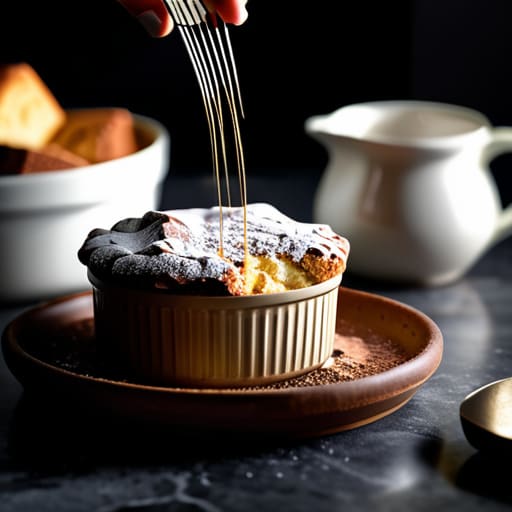
At the end of the day, navigating imposter syndrome is a lot like perfecting a complex soufflé—it requires patience, the right ingredients, and the understanding that even a little collapse doesn’t mean you’ve lost your talent. We’ve looked at how to spot those sneaky signs of self-doubt and, more importantly, how to tell the difference between a temporary dip in confidence and a deeper struggle with self-esteem. Remember, feeling like you don’t belong doesn’t mean you’re a fraud; it often just means you’re pushing yourself into new, exciting territory. Once you recognize these patterns, you can stop letting them sour your professional experience and start focusing on the craft at hand.
As you head back into your professional kitchen—whether that’s a literal line or a corporate boardroom—I want you to remember one thing: you earned your seat at this table. You didn’t get here by accident or by luck; you got here through hard work, grit, and a unique perspective that nobody else can replicate. Don’t let that inner critic steal your appetite for success. Keep experimenting, keep learning, and most importantly, trust your own recipe. You have everything you need to cook up an incredible career, so go out there and make it delicious.
Frequently Asked Questions
How can I stop feeling like a fluke when I actually land a big promotion or a dream job?
When that big promotion hits, it’s easy to feel like you’ve accidentally stumbled into the VIP section without a reservation. But listen: you didn’t “luck” into that seat; you earned it through every long shift and every lesson learned. Instead of waiting for someone to tap you on the shoulder and call you out, start treating your new role like a new recipe. Trust the prep work you’ve already done—the seasoning is already there.
Is there a way to shake this feeling without just working myself into total burnout?
Oh, I have been there. I used to think the only way to prove I belonged was to pull double shifts until I was running on nothing but espresso and sheer willpower. But honey, you can’t cook a five-course meal if your own kitchen is on fire. Instead of overworking, try “micro-wins.” Focus on mastering one small task at a time. It builds genuine competence without draining your battery to zero. Balance is the secret ingredient.
How do I talk to my manager about these doubts without sounding like I'm not capable of doing the job?
Think of this conversation not as a confession of weakness, but as a “kitchen check-in.” Instead of saying, “I don’t know if I’m good enough,” try, “I want to ensure my output aligns perfectly with our standards—can we review my recent milestones?” Frame it around growth and optimization. You aren’t asking for permission to exist; you’re asking for the right ingredients to master the dish. It shows you’re driven, not doubting.


Amelia Johnson
I believe that food is not just sustenance but an expression of culture and creativity. Let’s explore how we can turn our culinary passions into rewarding careers that feed both our souls and our wallets.