How to Cook Vegetables So They Actually Taste Great
I still remember the smell of overboiled, mushy broccoli wafting through my grandmother’s kitchen back in Vermont—a scent that, quite frankly, made me want to run in the opposite direction. For years, I saw people treating vegetables like an afterthought, something to be steamed into oblivion or drowned in heavy cream just to make them edible. It’s a total myth that you need a culinary degree or a kitchen full of expensive gadgets to master how to cook vegetables; in reality, most of the “fancy” techniques you see on social media are just unnecessary fluff that masks the true flavor of the ingredient.
I’m not here to give you a lecture on molecular gastronomy or sell you a subscription to a high-end cookware brand. Instead, I’m promising you the real deal: a straight-shooting, chef-tested guide to treating every veggie like the culinary canvas it deserves to be. We are going to move past the bland and the boring, focusing on simple methods that respect the produce and, more importantly, feed your soul. Let’s turn those wilted greens into something you actually crave.
Table of Contents
Essential Vegetable Cooking Tools for Your Creative Kitchen
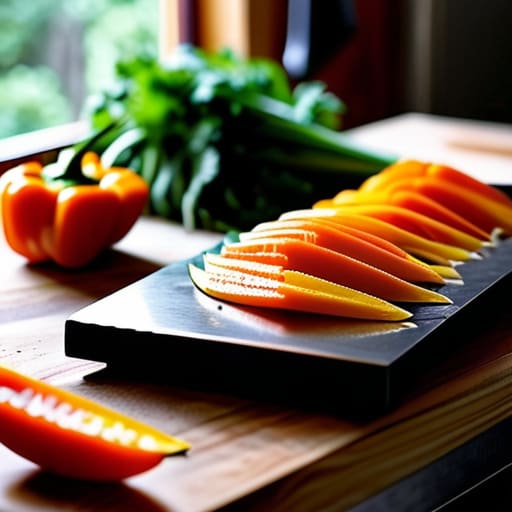
Before you dive into the actual heat of the kitchen, let’s talk about your arsenal. I’ve spent years in high-pressure professional kitchens, and if there’s one thing I’ve learned, it’s that your tools dictate your flow. You don’t need a kitchen full of expensive gadgets, but you do need the right essentials. A high-quality chef’s knife is non-negotiable; if you’re struggling with a dull blade, you aren’t just working harder, you’re bruising the delicate cell structures of your produce. To master essential vegetable cooking tools, I always recommend a heavy-bottomed stainless steel pan and a reliable microplane. That little tool is my secret weapon for adding zest or fine-grated spices to elevate a dish in seconds.
Beyond the knife, think about how you plan to apply heat. If you’re leaning toward steaming vs roasting vegetables, your gear needs to reflect that choice. A bamboo steamer works wonders for gentle, nutrient-dense prep, while a heavy cast-iron skillet is your best friend for achieving that gorgeous, caramelized char. Investing in a versatile Dutch oven can also change the game, allowing you to pivot between braising and making quick, vibrant stocks. Having the right equipment isn’t just about convenience; it’s about giving yourself the freedom to be truly creative.
Retaining Nutrients in Vegetables to Feed Your Body
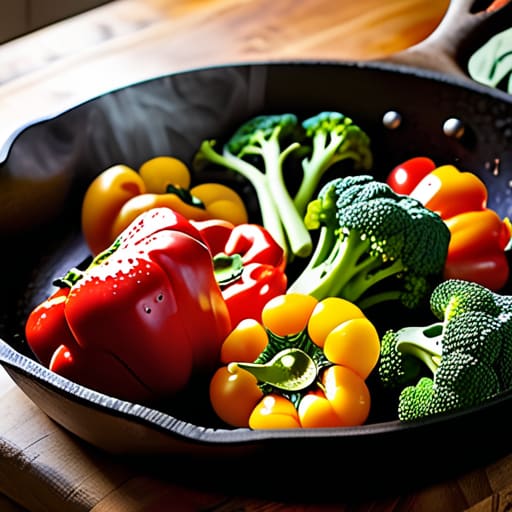
We’ve all been there: you spend twenty minutes meticulously prepping a beautiful medley of bell peppers and broccoli, only to boil them into a sad, grey, mushy mess. It’s heartbreaking, honestly! When we overcook our produce, we aren’t just losing texture; we’re literally washing away the very vitamins that make vegetables so incredible for us. To truly master retaining nutrients in vegetables, you have to respect the science behind the heat.
One of my favorite debates in the kitchen is always steaming vs roasting vegetables. If you’re looking to preserve those delicate water-soluble vitamins, steaming is your absolute best friend—it keeps the nutrients locked inside the cell walls without drowning them in water. However, if you want to unlock fat-soluble vitamins like A and K, a quick toss in high-quality olive oil before roasting is the way to go. It’s all about finding that sweet spot where the food tastes vibrant and stays incredibly nourishing. Think of it as a balancing act between culinary artistry and biological fuel.
My Secret Sauce: 5 Pro Tips to Level Up Your Veggie Game
- Respect the Season: Just like a great career, everything in cooking has its timing. Don’t try to force a flavor that isn’t ready; cooking a snap pea in the height of summer will always taste more vibrant and soulful than forcing a winter squash in July.
- Master the Art of the Sear: Stop being afraid of high heat! Whether it’s a pan-seared cauliflower steak or some charred broccoli, that golden-brown caramelization (what we chefs call the Maillard reaction) is where the magic happens and where the deep, savory flavor lives.
- Season Early and Often: Don’t just dump salt on your veggies right before they hit the plate. Salt your mushrooms as they sauté or your eggplant as it sits; it draws out moisture and ensures the flavor is built into the very core of the ingredient, not just sitting on the surface.
- Don’t Forget the Acid: If your vegetable dish feels “heavy” or just a little bit flat, it’s probably missing a bright note. A tiny squeeze of lemon juice or a splash of high-quality sherry vinegar at the very end acts like a spotlight, making all those earthy flavors pop.
- Texture is Your Best Friend: A boring dish is a one-note dish. If you’re serving something soft like roasted carrots, add a crunch with toasted seeds or nuts. Creating a contrast in your mouth is what turns a simple side dish into a professional culinary experience.
My Golden Rules for Bringing Your Veggies to Life
Stop treating vegetables like an afterthought; treat every seasonal harvest like a canvas for your creativity rather than just a side dish.
Master the balance between texture and technique—whether you’re charring, steaming, or sautéing, aim for that perfect “al dente” bite that keeps things exciting.
Don’t be afraid to play with bold seasonings and acids to elevate simple ingredients from “basic” to “restaurant-quality” in your own kitchen.
The Soul of the Plate
“Stop treating vegetables like a side thought or a chore to be checked off your list; when you approach a simple carrot or a head of broccoli with respect and a little bit of culinary curiosity, you realize they aren’t just nutrients—they’re the stars of the show.”
Amelia Johnson
Bringing It All Together
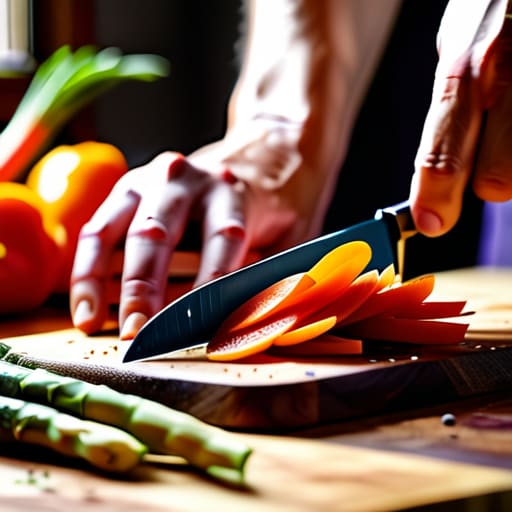
At the end of the day, mastering vegetables isn’t just about following a recipe or checking off a list of nutrients; it’s about understanding how your tools and techniques work in harmony. We’ve talked about why having the right knife matters, the importance of choosing methods that preserve that vibrant color and essential nutrition, and how to treat every ingredient with respect. Whether you’re a home cook looking to level up or an aspiring chef trying to find your rhythm, remember that consistency is your best friend. When you respect the process—from the prep work to the final seasoning—you stop just “making food” and start creating culinary experiences that truly shine on the plate.
As you head back into your kitchen, I want you to leave the fear of failure at the door. Don’t be afraid to char those Brussels sprouts a little too much or experiment with a spice blend that feels a bit wild; that’s where the magic happens! Food is a lifelong journey of discovery, and every vegetable is a new opportunity to express your unique creativity. My wish for you is that you find as much joy in the sizzle of the pan as you do in the first delicious bite. Go out there, trust your instincts, and remember that cooking is a beautiful way to feed your soul as much as your body.
Frequently Asked Questions
How do I know when I've gone too far and turned my crisp veggies into mush?
We’ve all been there—you get distracted by a phone call or a new recipe, and suddenly your vibrant broccoli looks like something from a cafeteria mystery meal. The easiest way to tell? The “fork test.” If your fork slides in with zero resistance or the veggie collapses under its own weight, you’ve crossed the line into mush territory. Aim for al dente—that perfect, slight snap that tells your palate, “Hey, I’m actually alive!”
Can you suggest some flavor pairings that go beyond just salt and pepper to really make the flavors pop?
Oh, I love this question! Salt and pepper are the classics, but if you want to really wake up your palate, you’ve got to play with contrast. Try a splash of bright acidity—like lemon zest or a high-quality sherry vinegar—to cut through earthy root vegetables. Or, if you’re roasting something sweet like carrots, hit them with some smoked paprika or even a tiny pinch of cumin. It’s all about that unexpected spark!
Is it actually worth the extra effort to prep vegetables by hand, or should I be looking into high-quality kitchen gadgets to save my sanity?
Honestly? It’s a bit of both, but here’s my professional take: don’t let the prep become a chore that kills your joy. If you’re prepping for a quick weeknight stir-fry, a high-quality mandoline or a sharp chef’s knife is a total sanity-saver. However, there’s a certain meditative magic in hand-chopping that actually connects you to your ingredients. Invest in great tools to handle the heavy lifting, but keep the knife skills for the soul-feeding meals.


Amelia Johnson
I believe that food is not just sustenance but an expression of culture and creativity. Let’s explore how we can turn our culinary passions into rewarding careers that feed both our souls and our wallets.