How to Store Seasonal Items So You Can Actually Find Them
I still remember the frantic, humid chaos of my first summer working a high-volume line in NYC, staring at a crate of bruised, overripe peaches that should have been a beautiful coulis but ended up as a total waste. It was a heartbreaking lesson in how quickly nature’s best gifts can turn if you don’t respect the clock. Most people think you need a laboratory of expensive vacuum sealers or fancy gadgets to master how to store seasonal items, but honestly? That’s just expensive noise. After years in professional kitchens and consulting for restaurants, I’ve realized that preserving the season is less about the gear and more about understanding the soul of the ingredient itself.
I’m not here to sell you a subscription to a kitchen gadget catalog or give you some dry, textbook lecture. Instead, I’m sharing the real-world, battle-tested methods I’ve gathered from my grandmother’s Vermont kitchen to the most demanding culinary stages. I promise to show you exactly how to keep your pantry vibrant and your food waste low, turning seasonal abundance into a sustainable culinary toolkit that feeds both your creativity and your bank account.
Table of Contents
Finding the Best Containers for Seasonal Storage
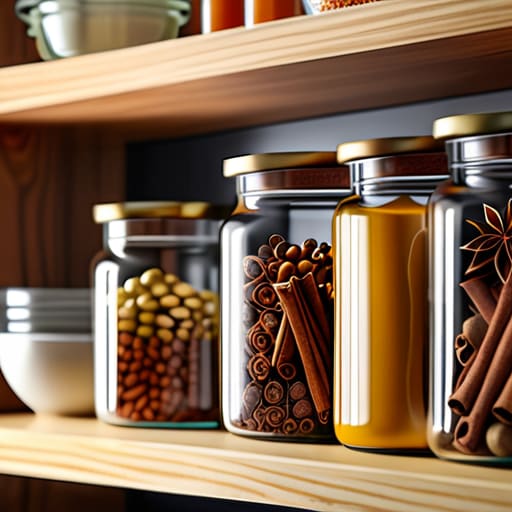
When you’re hunting for the right vessels, don’t just grab the first plastic bin you see at the big-box store. Think of your containers as the protective armor for your culinary treasures. If you’re tucking away delicate spices or artisanal oils, you need glass jars with airtight seals to keep those volatile aromas from escaping. For bulkier items like dried grains or seasonal harvests, I always swear by heavy-duty, BPA-free containers. Investing in the best containers for seasonal storage isn’t just about tidiness; it’s about ensuring that when you finally open that lid six months from now, the ingredients still smell like they were just harvested.
I’ve also learned that verticality is your best friend when things get crowded. Utilizing stackable, modular systems is one of my favorite space-saving storage solutions for keeping a pantry or a pantry-adjacent storage closet from turning into a chaotic mess. If you’re dealing with more delicate, non-food seasonal items—like those beautiful heirloom serving platters or even when you’re organizing holiday decorations in the kitchen pantry—look for bins with padded dividers. It’s all about creating a little sanctuary for your gear so it stays pristine until the next celebration.
Space Saving Storage Solutions for a Creative Kitchen
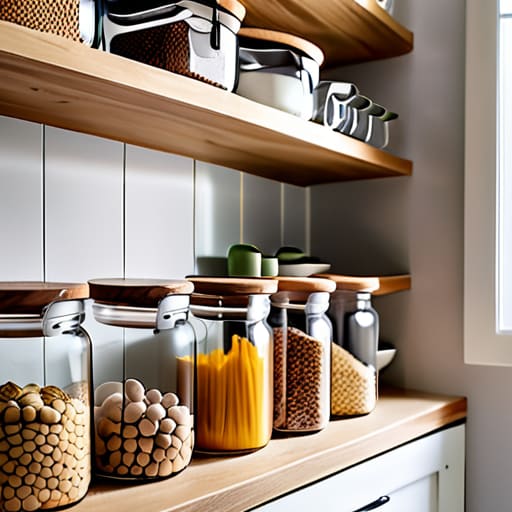
Let’s be real: even the most inspired home kitchens can start to feel a little claustrophobic when you’re juggling daily prep with a mountain of seasonal specialties. When your counters are crowded, it’s easy to feel overwhelmed, but I’ve learned that a little strategy goes a long way. I’m a huge fan of utilizing vertical space—think stacking uniform glass jars on open shelving or using slim, airtight bins that tuck neatly into the back of a pantry. Implementing these space-saving storage solutions doesn’t just clear your workspace; it actually makes your most precious ingredients easier to find when inspiration strikes.
If you’re working with a smaller footprint, don’t overlook the “hidden” zones of your kitchen. I always tell my clients to look upward; hanging herb drying racks or magnetic knife strips can free up precious real estate for your larger seasonal containers. When it comes to seasonal item organization tips, the secret is to group things by frequency of use. Keep your most-loved spices and oils at eye level, while stashing the heavy-duty preserves in lower, deeper cabinets. It’s all about creating a flow that feels effortless and intentional, rather than chaotic.
The Chef’s Secret Sauce: 5 Pro-Tips for Keeping Your Seasonal Bounty Vibrant
- Master the art of the “blanch and shock.” Before you tuck those summer peas or spring asparagus into the freezer, give them a quick dance in boiling water followed by an ice bath. It stops the enzymes in their tracks, locking in that bright, garden-fresh color and crunch that makes a dish pop.
- Don’t underestimate the power of vacuum sealing. If you’re serious about preventing freezer burn—the absolute enemy of flavor—invest in a small vacuum sealer. It’s like giving your ingredients a protective little cocoon, ensuring that your precious autumn squash tastes just as sweet in February as it did in October.
- Treat your herbs like delicate guests. Instead of tossing them in a plastic bag where they’ll wilt into a sad, dark mess, try the “bouquet method.” Snip the stems and stand them upright in a jar of water in the fridge, just like fresh flowers. It keeps them vibrant and ready for a garnish at a moment’s notice.
- Label everything with a sense of purpose. I know, I know, it feels tedious, but a jar labeled “Roasted Heirloom Tomatoes – Sept 2023” is a gift to your future self. Use a permanent marker and include the date; there’s nothing worse than digging through the pantry and wondering if that mysterious jar is a culinary treasure or a science experiment.
- Respect the “First In, First Out” rule. Even in a professional kitchen, we live by this. When you bring in new seasonal preserves or frozen goods, rotate your stock so your older items get used first. It prevents waste and ensures you’re always working with the freshest possible flavors in your creative process.
Quick Tips for Your Seasonal Pantry Success
Treat your ingredients with respect by choosing the right vessels; whether it’s glass jars for that perfect seal or vacuum bags for longevity, the container is just as important as the contents.
Don’t let your hard-earned harvest go to waste in a cluttered corner—organize your stash by use-case so you can grab exactly what you need without a kitchen scavenger hunt.
Remember that preservation is an art form, not a chore; by saving the best of the season now, you’re essentially gifting your future self a head start on your next culinary masterpiece.
The Heart of the Pantry
“Think of your seasonal storage not as a chore of organization, but as a way of capturing time itself; when we preserve these ingredients with intention, we’re really just saving a little piece of the season’s magic to brighten up our kitchens when the world turns gray.”
Amelia Johnson
Bringing the Season Home
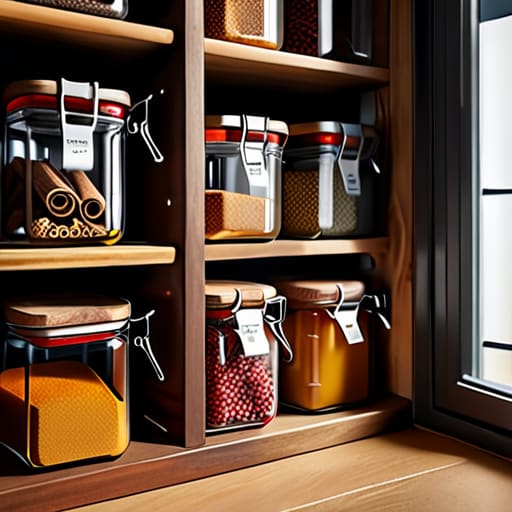
At the end of the day, mastering your seasonal storage is about more than just keeping your fridge from looking like a chaotic Tetris game. It’s about making sure that when January hits and the world feels a little grey, you can reach into your pantry and find that vibrant burst of summer sweetness or the earthy warmth of autumn spices. By choosing the right airtight containers and being smart with your vertical space, you aren’t just organizing; you are protecting the hard work and the beautiful flavors that define our culinary seasons.
As you head back into your kitchen, I want you to remember that every jar you fill and every vacuum-sealed bag you prep is an investment in your future self. Cooking is a beautiful, messy, and deeply rewarding journey, and being prepared allows you to cook with pure intention and creativity rather than stress. Don’t be afraid to experiment with these methods and find what works for your unique kitchen flow. You’ve got the passion and the tools—now go out there and make every flavor count!
Frequently Asked Questions
How do I know when a seasonal ingredient has actually gone bad versus just looking a little tired in the fridge?
Trust your senses, not just your eyes! I always tell my clients: if it smells like a science experiment or feels slimy, it’s time to say goodbye. A little shriveling on a carrot is just “tired” and perfectly fine for a roast, but if there’s mold or a sour funk, toss it. When in doubt, do the squeeze test—if it’s mushy instead of firm, that ingredient has officially left the kitchen.
Is it worth the extra effort to freeze my homemade sauces and stocks, or should I just stick to quick pickling?
Oh, I feel this dilemma in my soul! Honestly? It’s a total toss-up depending on your vibe. Pickling is a dream for that bright, acidic pop—think quick-pickled red onions for a taco night. But if you’re looking for deep, comforting flavors, freezing those homemade stocks and sauces is a total game-changer. It’s like having a liquid gold reserve in your freezer for those busy weeknights when you need a culinary hug!
What are your favorite "chef secrets" for keeping delicate herbs fresh without them turning into a slimy mess?
Oh, the dreaded herb sludge! It’s every cook’s heartbreak. My absolute go-to? Treat them like a fresh bouquet. Trim the stems and tuck them into a jar with an inch of water, then pop a loose plastic bag over the top. For woody herbs like rosemary, wrap them in a slightly damp paper towel instead. It keeps that vibrant, aromatic soul alive without the slime. Trust me, your future risotto will thank you!


Amelia Johnson
I believe that food is not just sustenance but an expression of culture and creativity. Let’s explore how we can turn our culinary passions into rewarding careers that feed both our souls and our wallets.