Clever Ways to Turn Leftovers Into New Meals
I still remember the frantic, high-pressure chaos of my first line cook position in Manhattan, where the end of a shift usually meant a mountain of “waste” that most people would just toss without a second thought. I’d stand there, smelling the faint, delicious ghost of roasted garlic and thyme lingering in the air, realizing that those scraps weren’t garbage—they were liquid gold. It honestly drives me crazy when people treat yesterday’s meal like a chore or a sad, soggy compromise. Learning how to use leftovers shouldn’t feel like you’re just eating “sad fridge scraps”; it should feel like you’re uncovering a hidden treasure chest of flavor that you’ve already paid for.
Forget those complicated, five-hour meal prep tutorials that require a culinary degree and a massive grocery budget. I’m here to give you the real, no-nonsense truth about turning yesterday’s bounty into today’s masterpiece. I’m going to share the exact techniques I used in professional kitchens to transform simple ingredients into soulful, restaurant-quality dishes. We aren’t just recycling food here; we are practicing the art of culinary alchemy to feed your soul and your wallet at the same time.
Table of Contents
Repurposing Cooked Proteins Into Culinary Gold
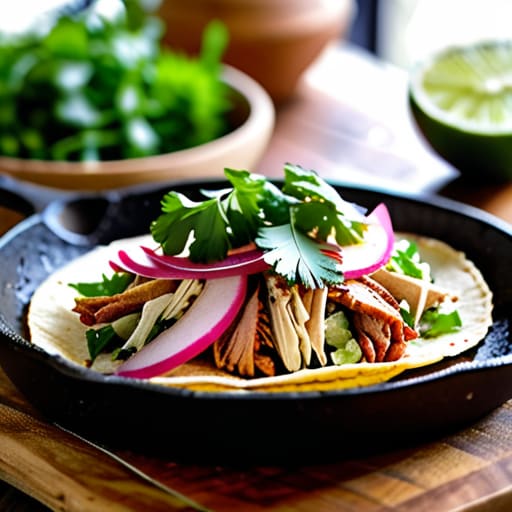
Let’s be real: nothing kills the culinary vibe faster than a lonely, dry piece of chicken sitting in a Tupperware container. But in my years running high-pressure kitchens, I learned that a protein isn’t “finished” just because it’s been cooked once. Repurposing cooked proteins is actually where the real magic happens. Instead of viewing last night’s roast chicken as a chore, I see it as a head start. Think about shredding that bird into a vibrant, lime-infused carnitas-style taco filling or tossing sliced steak into a quick, high-heat stir fry. It’s all about changing the texture and the flavor profile to make it feel brand new.
If you’re looking for some serious leftover makeover ideas, start by thinking about sauces and aromatics. A bit of acidity, a splash of coconut milk, or a heavy hand of spices can completely mask the fact that the protein was prepared yesterday. This is one of my favorite creative kitchen hacks because it cuts your active cooking time in half while still feeling like a gourmet experience. We aren’t just eating again; we’re evolving the dish.
Leftover Makeover Ideas for Your Soulful Kitchen
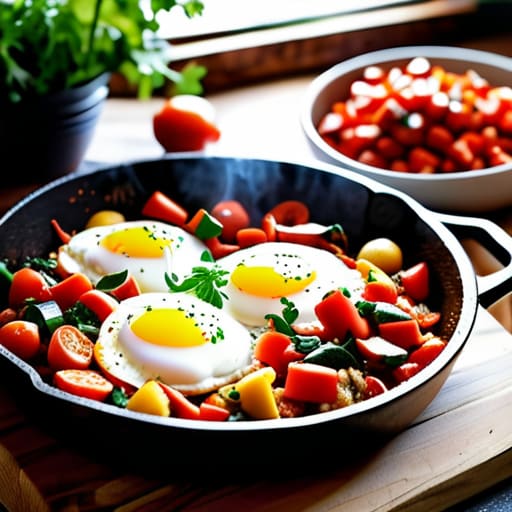
Now, let’s move beyond just the proteins and look at the magic that happens when you embrace some truly creative kitchen hacks. I’ve always believed that a fridge full of bits and bobs isn’t a sign of a messy life, but rather a pantry full of potential. Think about those slightly wilted veggies or that half-empty jar of roasted peppers; they are begging to be part of a vibrant frittata or a hearty, rustic shakshuka. By leaning into these leftover makeover ideas, you aren’t just saving time; you’re actually training your palate to see ingredients as building blocks rather than finished products.
If you’re looking to streamline your week, I highly recommend integrating some meal prep with leftovers into your Sunday routine. Instead of cooking brand-new components every single night, try preparing a “base” that can pivot. A batch of quinoa or roasted root vegetables can become a Mediterranean grain bowl on Monday and a cozy, comforting hash on Tuesday. It’s all about that beautiful balance of efficiency and inspiration—feeding your hunger while keeping your culinary creativity very much alive.
My Secret Sauce: 5 Pro Tips for Mastering the Leftover Game
- Think in Components, Not Meals: Instead of seeing a “leftover lasagna,” see “leftover tomato sauce and pasta.” When you deconstruct what’s in your fridge, you realize you actually have the building blocks for a killer shakshuka or a quick ragu for tomorrow’s fresh noodles.
- The Texture Reset is Non-Negotiable: Nothing kills the vibe faster than soggy, sad leftovers. If you’re reheating something crispy, skip the microwave and head straight for a hot cast-iron skillet or the oven. It’s the difference between a limp piece of chicken and a revitalized, golden-brown delight.
- Build a “Flavor Bridge”: When you’re repurposing food, you need a new culinary direction. If you’re turning taco meat into a breakfast hash, use a “bridge” ingredient like smoked paprika or a fresh squeeze of lime to pivot the flavor profile so it feels intentional, not just recycled.
- Don’t Fear the “Kitchen Sink” Pantry Staples: Keep a stash of high-impact items—think kimchi, pickled onions, toasted nuts, or a good chili oil—to breathe life into old ingredients. A little acidity or a sudden crunch can trick your palate into thinking you’re eating something entirely brand new.
- Label Like a Chef (Even if it’s just for you): It sounds tedious, but in the rush of a busy week, “mystery container” is the enemy of creativity. Use a piece of masking tape to jot down what it is and when it was made. It saves you from that dreaded “is this still good?” sniff test and keeps your kitchen running like a well-oiled machine.
My Golden Rules for Leftover Love
Think like a chef, not a scavenger—don’t just reheat; reimagine ingredients by adding fresh textures, bright acids, or a dash from my spice kit to breathe new life into yesterday’s meal.
Respect the ingredient’s journey—treat your leftover proteins and veggies with the same culinary respect you gave them when they were fresh to ensure nothing goes to waste.
Build a sustainable kitchen ritual—mastering the art of repurposing isn’t just about saving money; it’s about reducing waste and finding creative joy in the ebb and flow of your weekly cooking.
## The Magic in the Fridge
“Don’t look at leftovers as yesterday’s mistakes; look at them as a head start on tomorrow’s inspiration. That bit of roasted chicken or that extra scoop of grains is just a beautiful, pre-prepped canvas waiting for your creative touch to turn it into something entirely new.”
Amelia Johnson
From Scraps to Soul Food
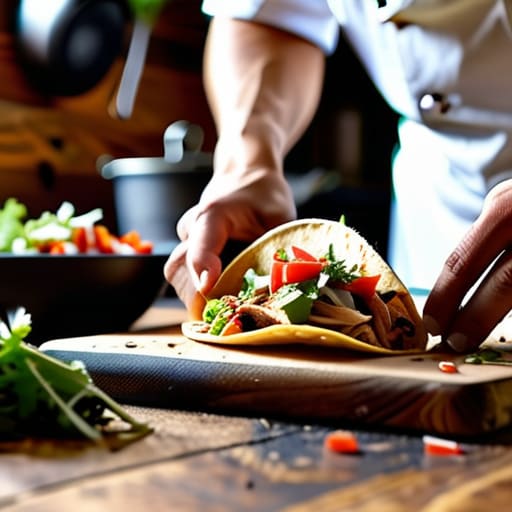
At the end of the day, mastering the art of leftovers is about more than just being resourceful; it’s about developing a chef’s intuition for your own kitchen. Whether you’re turning that roasted chicken into a vibrant, spicy street-food-inspired taco or breathing new life into a pile of sautéed veggies with a quick frittata, you are practicing the most fundamental skill in culinary arts: creative adaptation. By looking past the “old” label and seeing the potential in every ingredient, you aren’t just saving money or reducing waste—you’re actually training your palate to find magic in the mundane.
As you head back into your kitchen, I want you to remember that there are no mistakes here, only new opportunities to experiment. Don’t be afraid to reach for that little spice kit in your bag—or your pantry—and add a bit of your own personality to these repurposed dishes. Food is a journey, and sometimes the most delicious destinations are the ones we find right in the back of our refrigerators. So, go forth, embrace the leftovers, and turn your kitchen into a playground of endless, soulful possibilities!
Frequently Asked Questions
How do I know if my leftovers are still safe to eat, or am I just playing culinary roulette?
Look, I get it—the “sniff test” feels like a high-stakes gamble sometimes! But let’s avoid the culinary roulette. First, follow the golden rule: if it’s been sitting out at room temperature for more than two hours, toss it. Check for any off-smells, slimy textures, or visible mold. When in doubt, play it safe and let it go. Your kitchen should be a place of joy, not a source of food poisoning!
What are some clever ways to store these repurposed dishes so they stay fresh and don't lose their magic?
The Art of Preservation: Keeping the Magic Alive
Can I actually turn these leftovers into something that feels like a brand-new meal rather than just a "reheated" one?
Oh, absolutely! That is the secret sauce right there. If you just pop it in the microwave, you’re basically just eating yesterday’s memories. To make it feel brand new, you have to change the texture and the flavor profile. Think about adding something crunchy, something acidic, or a fresh herb hit. We aren’t just reheating; we are re-engineering. Let’s stop “warming things up” and start building entirely new flavor landscapes!


Amelia Johnson
I believe that food is not just sustenance but an expression of culture and creativity. Let’s explore how we can turn our culinary passions into rewarding careers that feed both our souls and our wallets.