Work-life Balance Tips That Actually Work
I still remember the smell of scorched garlic and the deafening roar of a Friday night service in a cramped Manhattan kitchen, right as I realized I hadn’t sat down for a real meal in three days. I was chasing the dream, but I was completely losing myself in the process. Most people will throw generic work life balance tips at you—like “just meditate” or “take a spa day”—as if a scented candle can fix a career that’s actively consuming your soul. Let’s be real: when you’re deep in the weeds, those airy-fairy suggestions feel about as useful as a blunt chef’s knife.
I’m not here to sell you a lifestyle makeover or some expensive wellness retreat. Instead, I want to share the gritty, practical strategies I’ve gathered from years of navigating high-pressure kitchens and the consulting world. We’re going to look at how to build sustainable boundaries that actually work in the real world, ensuring your career feeds your bank account without starving your spirit. Consider this your recipe for a life that tastes just as good as it looks.
Table of Contents
Setting Professional Boundaries to Protect Your Creative Flavor

In the professional kitchen, if you don’t control the heat, you’re going to burn the sauce. The same rule applies to your career. I’ve seen so many brilliant chefs and food entrepreneurs lose their spark because they didn’t know where the kitchen ended and their personal lives began. Setting professional boundaries isn’t about being difficult or “unprofessional”; it’s about creating a container for your talent to actually flourish. If you’re answering emails at 11 PM or taking client calls during your Sunday meal prep, you aren’t being a superstar—you’re just slowly simmering toward burnout.
Think of your energy like a limited supply of premium ingredients; you can’t spread them too thin across every single request without ending up with a bland result. By establishing clear “off-duty” hours, you are actively preventing occupational exhaustion and making sure that when you do step into your creative zone, you’re doing so with full intensity. You have to protect your headspace just as fiercely as you’d protect a signature recipe. After all, you can’t cook with passion if your mental pantry is completely empty.
Time Management Strategies That Keep Your Passion Simmering
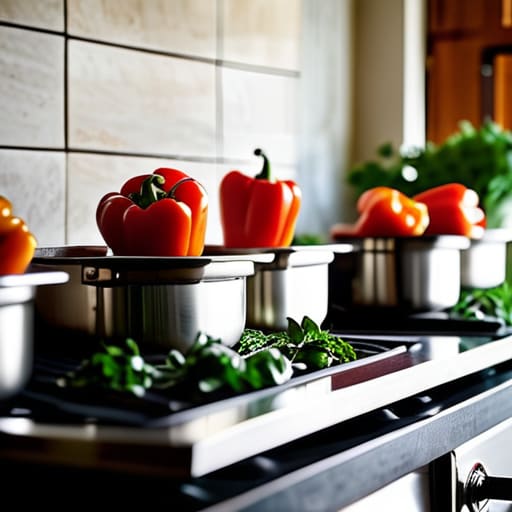
In the professional kitchen, if you don’t prep your mise en place before the rush hits, you’re going to end up in a world of hurt. Managing your career is no different. I’ve learned that effective time management strategies aren’t about squeezing every last drop of productivity out of your day; they’re about organizing your tasks so you actually have the headspace to be creative. I like to treat my daily to-do list like a recipe—grouping similar tasks together to avoid that frantic, scattered feeling. When you tackle your administrative “prep work” in focused blocks, you leave more room for the high-heat, high-reward moments that actually make you love this industry.
However, we have to be careful not to let the “hustle” turn into a slow burn that leaves us empty. If you’re constantly operating at a rolling boil, you’re headed straight for burnout. Prioritizing preventing occupational exhaustion means knowing when to turn the heat down. Whether you’re working in a bustling bistro or utilizing some remote work productivity hacks from your home kitchen, give yourself permission to step away from the stove. Real success isn’t just about how much you produce, but how much joy you can sustain in the process.
Five Secret Ingredients for a Balanced Life
- Treat your downtime like a precious ingredient. You wouldn’t use a bruised, wilted herb in a signature sauce, so don’t try to cook up big ideas when you’re mentally exhausted. Schedule your rest with the same discipline you use for a dinner rush.
- Learn the art of the “Mise en Place” for your personal life. Just like prepping your station before service, prep your week by setting aside specific blocks for errands, hobbies, or just staring at a wall. If you’re organized ahead of time, you won’t be scrambling when life gets spicy.
- Know when to step out of the kitchen. In a restaurant, there’s a time for prep and a time for service, but if you never leave the line, you’ll lose your sense of taste. Set a hard “clock-out” time for your brain to stop obsessing over spreadsheets or menu tweaks.
- Don’t be afraid to delegate the prep work. You can’t be the Executive Chef, the sous chef, and the dishwasher all at once without breaking. Whether it’s asking for help at work or outsourcing a chore at home, letting go of the small stuff makes room for the big flavors.
- Feed your soul outside of the professional grind. If your only joy comes from your career, you’re heading straight for burnout. Find a hobby that has absolutely nothing to do with your paycheck—whether it’s hiking, reading, or traveling—to keep your creative palate fresh.
The Secret Sauce: Bringing It All Together
Remember that boundaries aren’t walls; they’re the prep work that allows you to show up fully when the kitchen gets busy.
Treat your downtime like a high-quality ingredient—don’t skimp on it, or your professional passion will eventually lose its flavor.
Stay flexible but intentional, because just like a great reduction, the best results come from patience and controlled heat, not from rushing the process.
The Secret Ingredient to Longevity
“Think of your energy like a delicate reduction on the stove; if you keep the heat on high for too long, you won’t end up with a rich sauce, you’ll just end up with something burnt and bitter. To keep your career flavorful, you have to know when to turn down the flame and let yourself simmer.”
Amelia Johnson
Bringing It All Together
At the end of the day, finding that sweet spot isn’t about achieving a perfect, static recipe; it’s about constant adjustment. We’ve talked about the importance of setting those firm professional boundaries so you don’t get overwhelmed, and we’ve looked at time management tactics that allow your creativity to simmer on low heat rather than boiling over into a stressful mess. Remember, if you don’t protect your time and your energy, you’ll eventually find yourself staring at a blank menu with nothing left to give. Managing your schedule and your limits is the only way to ensure your culinary spark doesn’t fizzle out before the main course even arrives.
I know the hustle is real—I’ve lived it in the heat of a New York City kitchen line—but please don’t forget that you are more than just your output. You are a creator, an explorer, and a human being who deserves a seat at the table of your own life. Treat your well-being with the same reverence and care that you would give to a delicate soufflé. If you can master the art of the balance, you won’t just build a career that pays the bills; you’ll build a life that truly tastes delicious. Now, go out there, work hard, but make sure you save some room for dessert.
Frequently Asked Questions
How do I set boundaries with a demanding boss or client without looking like I'm not dedicated to my craft?
Think of it like managing a busy service: you don’t just say “no” to a ticket; you communicate the timing. Instead of a blunt refusal, try: “I’m fully committed to making this dish perfect, and to give it the focus it deserves, I’ll dive into this first thing tomorrow morning.” You aren’t dodging work; you’re protecting the quality of your output. Frame your boundaries as a way to ensure excellence, not as a lack of hustle.
Is it actually possible to maintain a high-level culinary career while still having time for a life outside the kitchen?
Look, I’ll be real with you: if you’re chasing that Michelin star lifestyle, it’s going to be a grind. I’ve been in those trenches, and the burnout is incredibly real. But is it possible? Absolutely. It just requires a shift in mindset. You have to stop viewing “life” as something that happens after your shift and start treating your downtime as a non-negotiable ingredient in your success. Without rest, your creativity just goes stale.
What do I do when my passion for food starts feeling more like a chore than a creative outlet?
Listen, I’ve been there—staring at a prep list feeling more like a robot than a chef. When the magic fades, you have to step away from the line. Stop cooking for a second and just eat. Go find a hole-in-the-wall taco spot or a new bakery that makes you feel like a kid again. You need to feed your inspiration before you can feed the masses; otherwise, you’re just running on empty.


Amelia Johnson
I believe that food is not just sustenance but an expression of culture and creativity. Let’s explore how we can turn our culinary passions into rewarding careers that feed both our souls and our wallets.