


Are you looking to bring harmony and positive energy into your home? With our Feng Shui interior design tips, you can unlock balance and create a peaceful environment in your living spaces.
- Incorporate specific elements, colors, and furniture arrangements to unlock balance in your home.
- Use the Bagua Map to identify important areas and decorate accordingly.
- Integrate the five elements (fire, earth, metal, wood, and water) into your decor for optimal balance and creativity.
- Choose colors such as green, purple, and teal to promote positive energy.
- Ensure good chi flow by decluttering and organizing your space.
By following these Feng Shui interior design tips, you can create a harmonious and balanced living environment that promotes tranquility and positive energy. Stay tuned for more insights on how to enhance your home’s energy flow and achieve a sense of serenity.
Understanding the Bagua Map and Decorating According to its Areas
The Bagua Map is a fundamental tool in Feng Shui interior design, allowing you to identify the key areas in your home and decorate them in a way that enhances their energy and promotes balance. By understanding the Bagua Map, you can create a harmonious environment that aligns with your goals and aspirations.
The Bagua Map is divided into nine areas, each representing a different aspect of life, such as wealth, health, love, and career. These areas correspond to specific elements and colors, which can be used to enhance the energy flow in each space. By decorating according to the Bagua Map, you can create an environment that supports your desires and promotes positive energy.
| Area | Element | Color |
|---|---|---|
| Wealth | Wood | Green, Purple |
| Health | Earth | Yellow, Brown |
| Love | Fire | Red, Pink |
| Career | Water | Black, Blue |
| Family | Wood | Green, Brown |
| Knowledge | Earth | Blue, Black |
| Fame | Fire | Red, Orange |
| Helpful People | Metal | White, Gray |
| Children | Metal | White, Gray |
When decorating each area, consider incorporating elements and colors that correspond to its energy. Use symbols, artwork, or decor that represent your intentions or desires for that specific area of your life. By aligning your surroundings with your goals, you can enhance the energy flow and create a positive environment that supports your aspirations.

Remember, the Bagua Map is a guide to help you identify the areas in your home and decorate them accordingly. It is not a rigid template, and you can adapt it to suit your personal preferences and needs. The key is to create a balance between the elements, colors, and representations that resonate with you and the energy you want to cultivate in your living spaces.
Incorporating the Five Elements in Your Decor
By incorporating the five elements into your decor, you can create a harmonious and balanced environment that nurtures positive energy and enhances your living spaces. The five elements in Feng Shui interior design—fire, earth, metal, wood, and water—each have their own unique qualities and symbolism, and by understanding and utilizing them, you can create a space that promotes balance, creativity, and tranquility.
Here are some tips on how to incorporate the five elements into your decor:
- Fire: Add candles, lamps, or a fireplace to bring the element of fire into your space. This element represents passion, enthusiasm, and high energy, so be mindful of its placement.
- Earth: Incorporate earthy tones, such as brown and beige, as well as materials like clay, stone, or ceramics. The earth element symbolizes stability, grounding, and nourishment.
- Metal: Decorate with metallic accents, such as mirrors, metal frames, or decorative objects. Metal represents clarity, precision, and efficiency, bringing a sense of elegance and focus to your space.
- Wood: Introduce wooden furniture, plants, or artwork featuring natural landscapes. The wood element signifies growth, vitality, and expansion, fostering a sense of freshness and creativity.
- Water: Incorporate water features, such as a fountain or aquarium, or use colors like blue and black to represent the water element. Water symbolizes flow, abundance, and purification, bringing a sense of calmness and serenity to your space.
Remember, balance is key when incorporating the five elements. Aim for a harmonious blend of these elements in your decor, considering their relationships according to the productive and destructive cycles of the elements. For example, wood feeds fire, fire creates earth, earth produces metal, metal generates water, and water nourishes wood. By creating a balanced representation of the five elements in your decor, you can create a space that supports positive energy and enhances your overall well-being.
Table 1: Five Elements and Their Associations
| Element | Colors | Shapes | Symbols |
|---|---|---|---|
| Fire | Red, orange, pink | Triangles, pointed shapes | Candles, sunlight |
| Earth | Brown, beige, yellow | Squares, rectangles | Crystals, pottery |
| Metal | White, gray, metallic | Circles, ovals | Coins, metal objects |
| Wood | Green, teal | Columns, vertical lines | Plants, trees |
| Water | Blue, black | Curves, wavy lines | Water features, reflective surfaces |
By incorporating the five elements and their associated colors, shapes, and symbols into your decor, you can create a visually pleasing and energetically balanced space that supports your well-being and enhances the positive energy in your home.
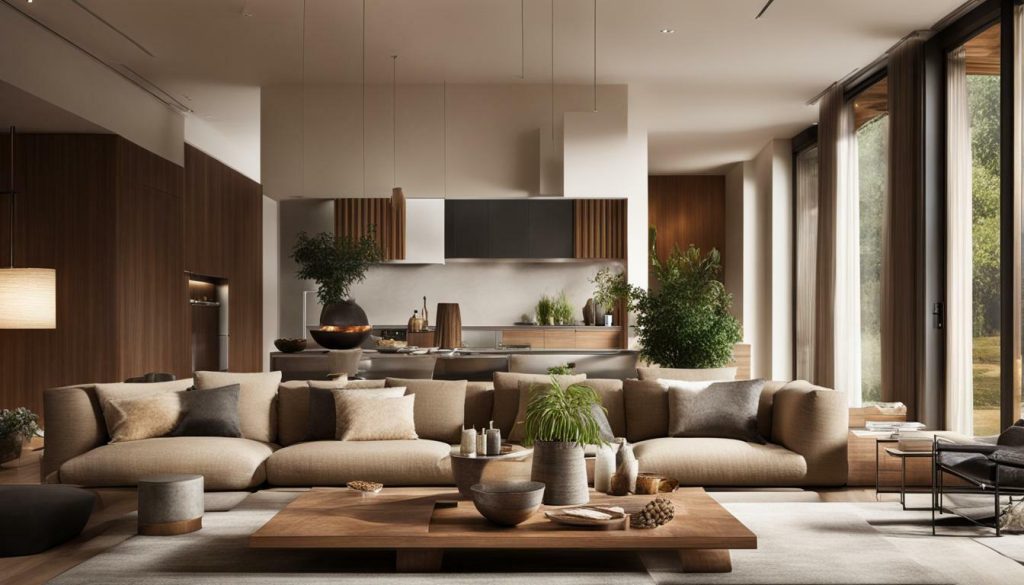
Choosing Colors that Promote Positive Energy
The colors you choose for your living spaces play a vital role in promoting positive energy and creating a harmonious atmosphere. Let’s explore the colors that can enhance the balance in your home.
When it comes to Feng Shui interior design, certain colors are believed to have a positive impact on our emotions and well-being. Green, for example, is associated with growth, harmony, and balance. It is a color that promotes relaxation and tranquility, making it an excellent choice for bedrooms or areas where you seek peace and calm.
Purple is another color that can enhance the energy in your home. It is often associated with spirituality and creativity, and it can help stimulate the imagination. Consider incorporating shades of purple in areas where you engage in creative activities or meditation.
“The colors you choose for your living spaces play a vital role in promoting positive energy and creating a harmonious atmosphere.”
Teal is a color that combines the calming effects of blue with the rejuvenating qualities of green. It is often associated with serenity and balance and can create a soothing environment in your home. Consider using teal as an accent color or in rooms where you want to promote a sense of tranquility, such as the living room or study.
When choosing colors for your living spaces, it’s important to consider the specific energy you want to cultivate. Each color has its own unique qualities, and by incorporating them thoughtfully, you can create a space that promotes positivity and balance. Experiment with different color combinations and evaluate how they make you feel in different areas of your home. Remember, the goal is to create a harmonious environment that supports your well-being and enhances the flow of positive energy.

| Color | Qualities |
|---|---|
| Green | Growth, harmony, balance |
| Purple | Spirituality, creativity |
| Teal | Serenity, balance |
Colors that Promote Positive Energy:
- Green: Associated with growth, harmony, and balance.
- Purple: Often associated with spirituality and creativity.
- Teal: Combines the calming effects of blue with the rejuvenating qualities of green.
Creating Good Chi Flow through Decluttering and Organizing
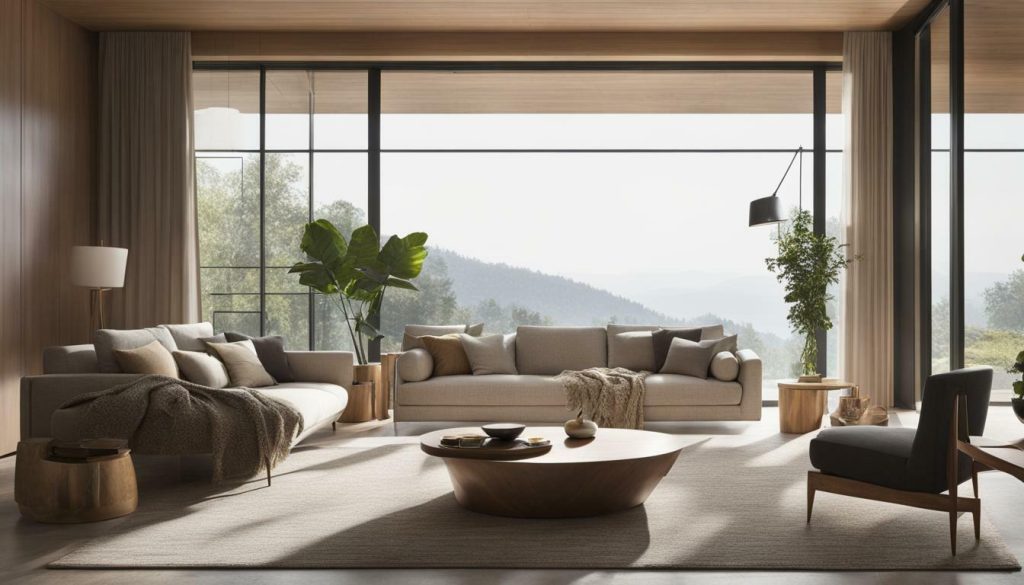
A clutter-free and well-organized space is essential for maintaining good chi flow and creating a harmonious environment. Let’s explore how you can declutter and organize your home to enhance the positive energy.
Start by tackling one room at a time. Remove any items that you no longer need or that do not bring you joy. Clutter can disrupt the flow of energy in your home, so it’s important to let go of things that no longer serve you.
Use storage solutions to keep your belongings organized. Invest in baskets, bins, and shelves to create designated spaces for different items. This will not only help you maintain a tidy space but also make it easier to find things when you need them.
Consider implementing a daily cleaning routine to keep your home in order. Set aside a few minutes each day to tidy up and put things back in their designated places. This will prevent clutter from accumulating and ensure a consistent flow of positive energy throughout your home.
To further enhance the positive energy in your space, incorporate elements of nature. Add plants and flowers to bring life and freshness into your home. Natural materials like wood and stone can also help create a sense of grounding and balance.
The Benefits of Decluttering and Organizing
Decluttering and organizing your home not only improves the flow of chi but also has several other benefits. Here are a few:
- Reduces stress: A clutter-free space promotes a sense of calm and reduces feelings of overwhelm.
- Inspires creativity: When your space is organized, you can focus better and unleash your creative energy.
- Increases productivity: A tidy environment allows you to work more efficiently and stay focused on your tasks.
- Improves sleep quality: A clutter-free bedroom promotes relaxation, leading to better sleep and restorative rest.
Remember, decluttering and organizing is an ongoing process. Set aside time regularly to reassess your belongings and make adjustments as needed. By creating a harmonious environment, you can unlock the balance and positive energy that Feng Shui interior design offers.
| Tips | Description |
|---|---|
| Start small | Begin with a small area or room to avoid feeling overwhelmed. |
| Sort and categorize | Create piles or categories for items you want to keep, donate, or discard. |
| Use storage solutions | Invest in storage bins, baskets, and shelves to keep items organized. |
| Maintain a routine | Set aside time each day to tidy up and put things back in their designated places. |
| Bring nature indoors | Add plants, flowers, and natural materials to create a sense of balance and grounding. |
Optimizing Room Layouts and Implementing Feng Shui Directions
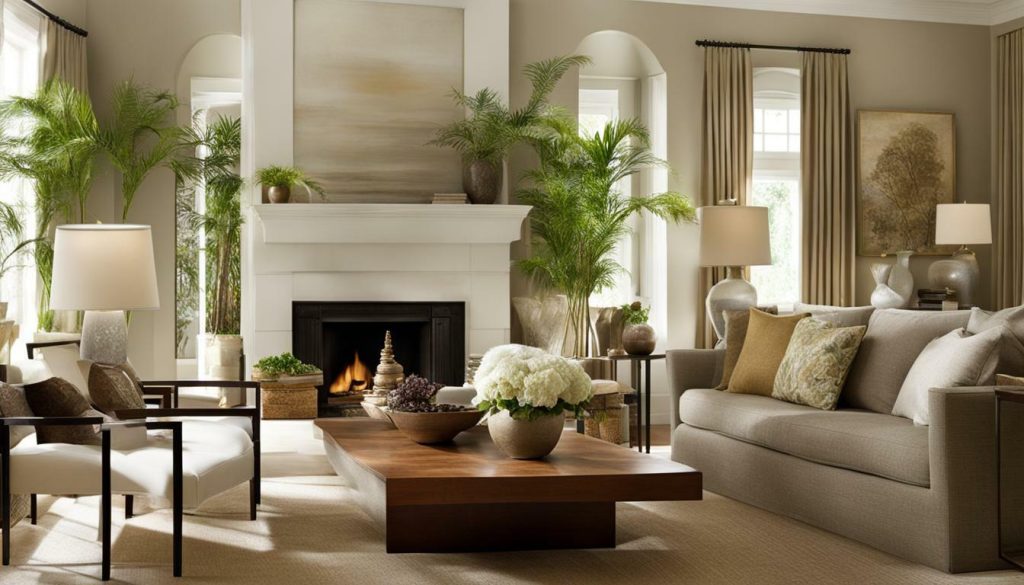
The layout of your rooms and the implementation of Feng Shui directions are crucial in ensuring optimal energy flow and minimizing negative energy. Let’s discover how you can optimize your room layouts and incorporate Feng Shui directions for a balanced and harmonious environment.
One important aspect to consider when optimizing your room layout is the command position. The command position refers to the placement of furniture in a way that provides a clear view of the room’s entrance while seated or lying down. This position allows you to feel secure and in control, promoting a sense of balance and harmony. Avoid placing your bed, desk, or stove in direct line with the door, as this can create a rush of energy that disrupts the flow.
When it comes to Feng Shui directions, each area of your home is associated with a specific element and direction. For example, the north area represents the element of water and is associated with career and life path. You can enhance the energy in this area by incorporating water-related decor, such as a small fountain or a painting of a serene lake. Similarly, the east area represents the element of wood and is associated with health and family. Adding plants or wooden furniture in this area can promote growth and vitality.
It’s essential to strike a balance between yin and yang energies in your room layout. Yin energy is passive and calming, while yang energy is active and stimulating. Incorporate both types of energy by using a mix of soft and bright lighting, smooth and textured surfaces, and curved and angular furniture. This balance creates a harmonious atmosphere that supports overall well-being.
| Feng Shui Direction | Associated Element | Room/Area |
|---|---|---|
| North | Water | Career, Life Path |
| South | Fire | Fame, Reputation |
| East | Wood | Health, Family |
| West | Metal | Children, Creativity |
| Northeast | Earth | Spirituality, Knowledge |
| Southeast | Wood | Wealth, Abundance |
| Southwest | Earth | Love, Relationships |
| Northwest | Metal | Helpful People, Travel |
By taking into account the layout of your rooms and implementing Feng Shui directions, you can create a harmonious and balanced environment that supports your well-being. Remember to consider the command position, strike a balance between yin and yang energies, and incorporate elements and decor that correspond to each direction. With these practices, you’ll be on your way to unlocking the optimal flow of energy in your living space.
Enhancing Balance with Strategic Placement and Meaningful Decor
The strategic placement of furniture and decor items, along with mindful choices, can greatly enhance the balance and positive energy in your home. Let’s explore how you can create an environment that promotes harmony and tranquility.
First, consider the concept of yin and yang energies in your space. Yin represents calmness and relaxation, while yang symbolizes energy and productivity. Achieving a balance between these two energies is key to creating a harmonious atmosphere. Place soft and comfortable furniture in areas meant for relaxation, such as the living room or bedroom. Incorporate vibrant colors and bold patterns in spaces where energy and creativity are desired, such as the home office or study area.
When it comes to furniture placement, keep in mind the principles of Feng Shui. Avoid placing furniture directly in front of doors or windows, as this can disrupt the flow of energy. Instead, position your furniture in a way that allows for easy movement and encourages interaction. Consider incorporating natural elements, such as plants or a water feature, to further enhance the positive energy in your space.
Another important aspect of Feng Shui is the use of meaningful decor. Choose artwork, sculptures, and objects that hold personal significance to you. These items can serve as reminders of your goals, values, and aspirations, infusing your space with positive energy. Display these meaningful decor pieces in prominent areas of your home, such as the entryway or living room, where they can be appreciated by both you and your guests.
| Strategic Placement Tips | Meaningful Decor Ideas |
|---|---|
|
|
By strategically placing furniture and incorporating meaningful decor, you can create a space that not only looks beautiful but also promotes positive energy and balance. Remember to regularly assess your home’s energy flow and make adjustments as needed to maintain harmony. With these Feng Shui principles, your home will become a sanctuary where you can find peace and serenity.
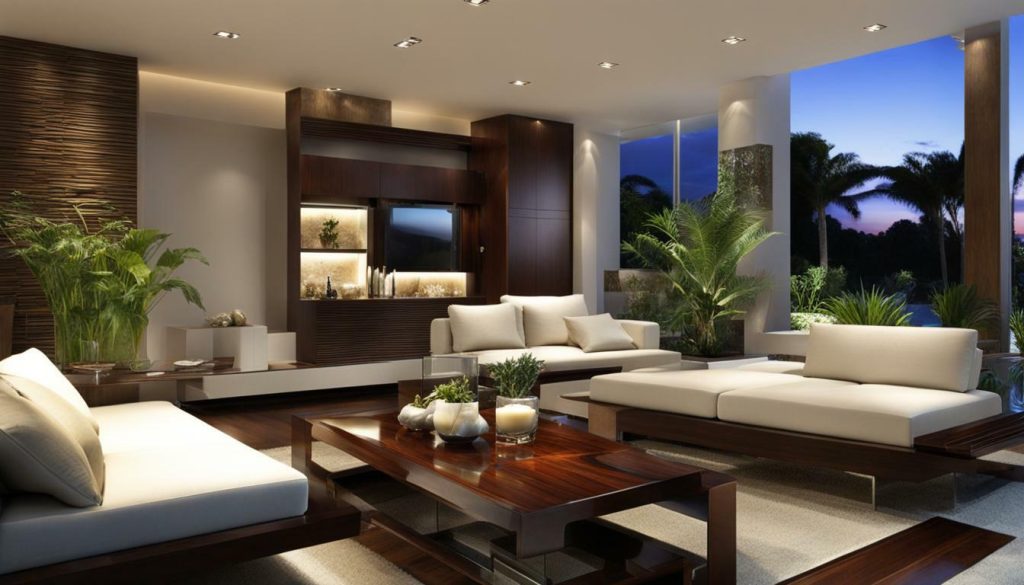
In this section, we explored how the strategic placement of furniture and decor items, along with mindful choices, can greatly enhance the balance and positive energy in your home. We discussed the importance of achieving a balance between yin and yang energies, and how to position furniture to optimize energy flow. We also emphasized the significance of incorporating meaningful decor that holds personal significance. By following these tips, you can create a harmonious and tranquil environment in your living spaces.
Maintaining Balance through Regular Upkeep and Extending Feng Shui Principles to the Exterior
To maintain balance and positive energy in your home, regular upkeep and maintenance are essential. Additionally, extending Feng Shui principles to the exterior of your home can further enhance the harmonious atmosphere. Let’s explore how you can achieve this.
Start by keeping your living spaces clean and organized. Regularly dust, vacuum, and clean your furniture and decor to remove any stagnant energy. Pay attention to clutter-prone areas and make it a habit to declutter and organize them regularly. By creating a clean and clutter-free environment, you allow the energy, or chi, to flow smoothly throughout your home.
Next, extend your Feng Shui practices to the exterior of your home. Maintain a well-kept and inviting facade by regularly cleaning the exterior walls, windows, and doors. Keep the entrance clear of any obstacles to ensure a smooth flow of energy into your home. Consider incorporating natural elements such as plants and water features in your outdoor space to promote vitality and balance.
Additionally, be mindful of the surroundings of your home. Ensure that there are no sharp objects or threatening structures pointing towards your property, as they can create negative energy. If you have neighbors with towering structures or sharp corners facing your home, consider using plants or landscaping elements to block or redirect the energy.
By applying Feng Shui principles to both the interior and exterior of your home, you can create a harmonious and balanced living environment. Regular upkeep and maintenance, along with strategic placement and mindful decor choices, will help you maintain a positive energy flow throughout your space. Remember, Feng Shui is not just about the arrangement of furniture and colors, but also about creating a holistic and balanced living experience.
FAQ
What is Feng Shui interior design?
Feng Shui interior design is the practice of arranging and decorating living spaces in a way that promotes balance, harmony, and positive energy flow.
How can I use the Bagua Map in my home?
The Bagua Map is a tool used in Feng Shui to identify important areas in your home. By overlaying the Bagua Map onto your floor plan, you can determine which areas correspond to specific life areas, such as wealth, health, relationships, and career. You can then decorate these areas accordingly to enhance the energy flow and balance.
How can I incorporate the five elements into my decor?
The five elements in Feng Shui (fire, earth, metal, wood, and water) represent different energies and can be incorporated into your decor to promote balance and creativity. For example, you can use candles or lighting to represent fire, earthy tones or pottery to represent earth, metallic accents or accessories to represent metal, plants or wooden furniture to represent wood, and a small fountain or a fish tank to represent water.
What colors should I choose for positive energy?
Colors play a significant role in Feng Shui interior design. Colors like green, purple, and teal are believed to promote positive energy and balance. Green represents growth and healing, purple represents spirituality and abundance, and teal represents tranquility and clarity. Incorporating these colors into your decor can help create a harmonious living space.
How important is decluttering and organizing in Feng Shui?
Decluttering and organizing your space are essential in Feng Shui. Clutter can disrupt the flow of energy (chi) and create stagnant or negative energy in your home. By removing clutter and organizing your belongings, you create a clear and open space for positive energy to flow, promoting balance and harmony.
What should I consider when arranging important rooms like the bedroom, bathroom, and kitchen?
When arranging important rooms, it is important to pay attention to the command position and the layout according to Feng Shui principles. The command position refers to placing the bed, desk, or stove in a position where you have a clear view of the entrance without being directly in line with it. Additionally, incorporating Feng Shui directions (north, south, east, west) in the layout can optimize energy flow and balance in these spaces.
How can I enhance balance with strategic placement and meaningful decor?
Strategic placement of furniture and decor can help create balance and positive energy flow. Avoid poison arrows, which are sharp edges or corners pointing towards you or important areas, as they can create negative energy. Mirrors can be used strategically to reflect light and energy. Additionally, choosing meaningful decor that aligns with your values and aspirations can further enhance balance and positive energy in your living spaces.
How can I maintain balance and extend Feng Shui principles to the exterior of my home?
Regular upkeep and maintenance of your living space are crucial for maintaining balance and positive energy flow. This includes keeping your home clean, fixing any broken or malfunctioning items, and maintaining a clutter-free environment. Additionally, extending Feng Shui principles to the exterior of your home, such as incorporating plants, creating a welcoming entrance, and ensuring a clear path to your front door, can enhance the overall harmony and balance of your living environment.


