Simple Ways to Make Your Home More Eco-friendly
Honestly, if I see one more influencer trying to sell me a $50 “sustainable” bamboo starter kit that’s basically just plastic in disguise, I might actually lose my mind. We’ve been conditioned to believe that going green requires a massive bank account and a house full of aesthetic, overpriced gadgets, but that is a total lie. Real sustainability isn’t about buying your way into a lifestyle; it’s about the intentional choices we make in our daily rhythms. I’ve spent years in professional kitchens where we had to be resourceful because waste literally meant lost profit, and I’m telling you, those same principles apply to your living room. Finding practical eco friendly home tips shouldn’t feel like a chore or a luxury tax on your existence.
I’m not here to give you a lecture or a list of impossible standards that leave you feeling guilty. Instead, I want to share the no-nonsense, chef-inspired approach to creating a home that respects the planet without breaking your budget. We’re going to dive into real, actionable shifts that nourish your space and your wallet simultaneously. Consider this my personal kitchen manual for a more mindful life—zero fluff, just substance.
Table of Contents
- Zero Waste Living at Home With Culinary Intention
- Sustainable Interior Design for a Soulful Space
- Small Changes, Big Flavor: My Top 5 Ways to Infuse Your Home with Eco-Conscious Energy
- Bringing the Heart of the Kitchen to Your Sustainable Lifestyle
- ## Living with Intention
- Bringing the Flavor of Sustainability Home
- Frequently Asked Questions
Zero Waste Living at Home With Culinary Intention
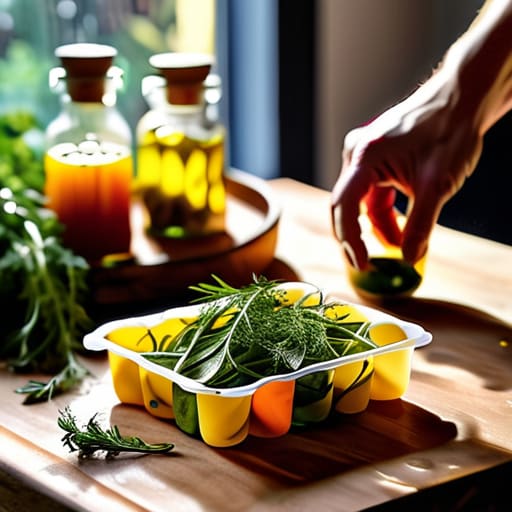
If there’s one thing my years in professional kitchens taught me, it’s that waste is the ultimate culinary sin. In a high-end restaurant, we treat every stem, peel, and scrap as a potential goldmine for stocks or infusions. I want you to bring that same chef’s mindset into your own kitchen to master zero waste living at home. Instead of tossing those wilted herbs or vegetable ends, try freezing them in a silicone tray with a bit of olive oil to create a flavor base for your next sauté. It’s about seeing potential where others see trash.
Beyond the cutting board, we can extend this philosophy to how we maintain our spaces. I’ve swapped out those harsh, chemical-heavy sprays for eco friendly cleaning products that actually work without making me hold my breath while I scrub. It’s much easier to feel creative and inspired in a home that smells like citrus and peppermint rather than bleach. By being intentional about what we bring through our front door, we aren’t just tidying up; we’re curating an environment that respects both our health and the planet.
Sustainable Interior Design for a Soulful Space
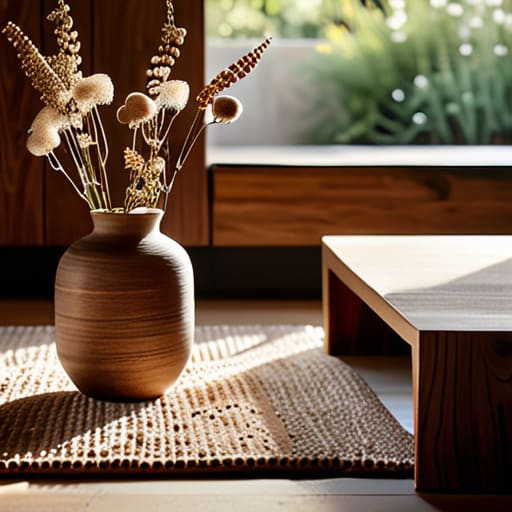
When I transitioned from the high-octane chaos of NYC kitchens to consulting, I realized that the environment we inhabit affects our creativity just as much as our mise en place. I like to think of sustainable interior design much like building a seasonal menu; it’s about choosing ingredients—or in this case, materials—that are honest, durable, and kind to the earth. Instead of chasing every fleeting, fast-furniture trend, I encourage looking for reclaimed wood pieces or organic textiles that tell a story. When your surroundings feel grounded and intentional, your ability to create flourishes.
Beyond the aesthetics, we have to consider how our space actually functions on a daily basis. You don’t need a massive renovation to make a difference; sometimes, it’s about the small, smart pivots. Investing in energy efficient home upgrades, like smart thermostats or LED lighting, is like upgrading your stovetop—it might seem technical, but it fundamentally changes how smoothly your “kitchen” runs. By choosing pieces that last and systems that save power, you aren’t just decorating a room; you’re curating a sanctuary that respects both your peace of mind and our planet.
Small Changes, Big Flavor: My Top 5 Ways to Infuse Your Home with Eco-Conscious Energy
- Shop with a Seasonal Mindset: Just like I wouldn’t dream of serving a heavy beef stew in the middle of a humid July, try to align your household consumption with the seasons. Buying local, seasonal produce reduces the massive carbon footprint of long-distance shipping and ensures your family is eating the most nutrient-dense, flavorful food possible.
- Master the Art of the “Scrap Chef”: In professional kitchens, we hate waste—it’s literally throwing money in the bin. Apply that same discipline at home by turning veggie scraps into rich stocks or using citrus peels for homemade cleaners. It’s about seeing the potential in every ingredient rather than just the trash.
- Curate Your Lighting with Intention: Think of lighting as the seasoning of a room. Instead of relying on harsh, energy-hungry overhead lights, switch to warm LED bulbs and maximize that gorgeous natural sunlight. It creates a much more inviting atmosphere and keeps your utility bills from feeling quite so salty.
- Invest in “Slow” Textiles: We often talk about slow food, but “slow decor” is just as vital. Instead of grabbing cheap, synthetic throws that fall apart after three washes, opt for organic cotton, linen, or wool. These pieces age beautifully, much like a well-maintained cast iron skillet, and keep microplastics out of our waterways.
- Create a Low-Impact Cleaning Pantry: You don’t need a cabinet full of neon-colored chemicals to have a sparkling home. I love keeping a “pantry kit” of white vinegar, baking soda, and essential oils. It’s safer for your family, better for the planet, and honestly, it smells way more sophisticated than those heavy artificial fragrances.
Bringing the Heart of the Kitchen to Your Sustainable Lifestyle
Treat your home like a well-run kitchen; by being intentional about what you bring through your front door, you reduce waste and create a space that truly nourishes you.
Sustainability isn’t about perfection—it’s about making soulful, conscious choices that respect both your personal sanctuary and the planet we all share.
Just as a great recipe relies on quality ingredients, a sustainable home is built on the foundation of thoughtful, long-lasting habits that feed your peace of mind.
## Living with Intention
“Just like a perfectly balanced sauce, a sustainable home isn’t about perfection or having every single organic ingredient on hand; it’s about making thoughtful, intentional choices that nourish your space and respect the world outside your kitchen door.”
Amelia Johnson
Bringing the Flavor of Sustainability Home
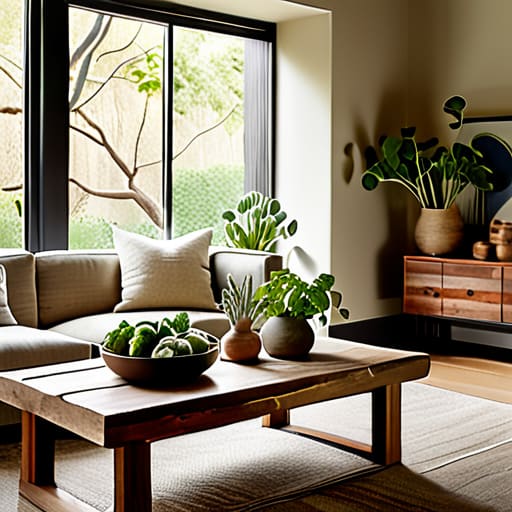
As we’ve explored, building an eco-friendly home isn’t about achieving some impossible standard of perfection; it’s about making mindful choices that mirror the intentionality we bring to a great recipe. Whether you are reducing food waste by treating your scraps like precious ingredients, or choosing reclaimed wood furniture that tells a story, every small shift contributes to a much larger, more beautiful ecosystem. By focusing on zero-waste habits and soulful, sustainable design, you aren’t just tidying up your living space—you are actively cultivating an environment that respects both the planet and your own well-being. It’s all about finding that perfect balance between functionality and conscious living.
At the end of the day, I want you to remember that your home is your most personal kitchen—the place where you nourish your spirit and recharge for the world outside. Don’t feel like you have to overhaul everything overnight; even the smallest seasoning can transform a dish, and even the smallest habit can transform a lifestyle. Approach these changes with the same curiosity and passion you would use when discovering a new street food stall in a bustling foreign market. Trust your intuition, enjoy the process, and remember that true sustainability is a journey, not a destination. You’ve got the tools, the heart, and the vision to create a life that truly tastes good.
Frequently Asked Questions
How can I transition to an eco-friendly lifestyle without feeling overwhelmed or breaking my budget?
Think of it like mastering a complex mother sauce—you don’t just throw everything in the pot at once; you build it layer by layer. Start small, like swapping out one single-use item for a reusable version or composting your veggie scraps. These “micro-wins” keep your budget intact and your stress levels low. Focus on progress, not perfection. Just like a great recipe, it’s about the slow, intentional simmer that leads to something beautiful.
Are there specific sustainable materials I should look for when upgrading my kitchen or dining area?
When you’re upgrading your kitchen, think like a chef sourcing seasonal produce: quality and origin matter! I’m a huge fan of reclaimed wood for dining tables—it has so much character. For countertops, look into bamboo or recycled glass; they’re incredibly durable and eco-conscious. Also, swap out plastic utensils for FSC-certified wood or stainless steel. Investing in these materials isn’t just a design choice; it’s about building a kitchen that respects the planet.
How do I balance the desire for a beautiful, stylish home with the practicalities of zero-waste living?
Think of it like plating a signature dish: you don’t sacrifice flavor for presentation, and you shouldn’t sacrifice style for sustainability. I always tell my clients that “eco-friendly” doesn’t have to mean “beige and boring.” It’s about curation. Instead of cheap, disposable decor, invest in one stunning, handcrafted ceramic vase or a reclaimed wood coffee table. When you choose quality over quantity, you’re creating a space that’s both visually delicious and deeply intentional.


Amelia Johnson
I believe that food is not just sustenance but an expression of culture and creativity. Let’s explore how we can turn our culinary passions into rewarding careers that feed both our souls and our wallets.