
Simple Ways to Keep Growing Your Career
I still remember the frantic, humid chaos of a Saturday night service in Manhattan—the hiss of searing scallops, the rhythmic chop of knives, and that sudden, sinking feeling in my gut when I realized I was working harder than ever but moving nowhere. I used to think that staying late and burning the midnight oil was the only way to climb the ladder, but honestly? That’s a recipe for burnout, not a career. Most of the generic professional development tips you find online feel like they were written by someone who has never actually stood on a line or managed a food cost spreadsheet. They tell you to “network” or “be a leader,” but they never tell you how to actually evolve without losing your mind in the process.
I’m not here to give you a lecture or sell you on a fancy, overpriced seminar. Instead, I want to share the real-world, no-nonsense strategies I’ve gathered from both the heat of the kitchen and the strategic side of consulting. We’re going to dive into how you can sharpen your culinary edge and business savvy simultaneously, ensuring your career is as flavorful and sustainable as the dishes you create.
Table of Contents
- Nurturing a Professional Growth Mindset Through Continuous Learning Strateg
- Mastering Soft Skills for Professionals to Elevate Your Kitchen Presence
- Five Secret Ingredients to Level Up Your Culinary Career
- The Secret Sauce: My Top Three Takeaways for Your Culinary Journey
- The Secret Ingredient to Your Career
- The Secret Sauce to Your Success
- Frequently Asked Questions
Nurturing a Professional Growth Mindset Through Continuous Learning Strateg
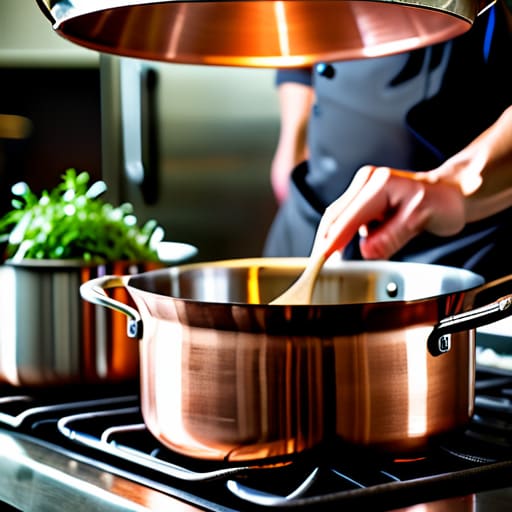
Think of your culinary career like a delicate reduction; if you stop simmering, you lose that intense, concentrated flavor that makes you stand out. Developing a professional growth mindset isn’t just about memorizing new recipes or mastering a complex sous-vide technique; it’s about staying curious when the kitchen gets chaotic. I’ve seen so many talented chefs stall out because they felt they’d “learned enough” once they landed a steady line position. But the real magic happens when you treat every service as a classroom. Whether it’s studying the chemistry of fermentation or understanding the nuances of food cost management, you have to stay hungry for knowledge.
To keep that momentum going, you need to implement actual continuous learning strategies into your weekly routine. This doesn’t mean you need to enroll in a second degree right away—it can be as simple as reading a book on seasonal sourcing or watching a masterclass on plating. I always tell my clients that true expertise is a moving target. If you aren’t actively seeking out new ways to sharpen your edge, you’re essentially letting your skills go stale.
Mastering Soft Skills for Professionals to Elevate Your Kitchen Presence
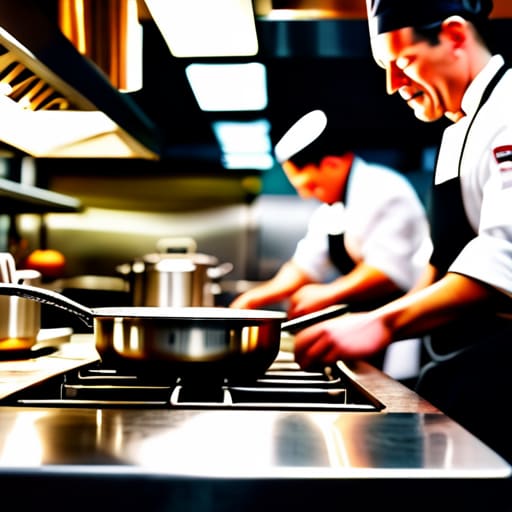
Listen, I’ve spent enough hours in high-pressure NYC kitchens to know that you can be a literal wizard with a knife, but if you can’t communicate during a rush, you’re going to struggle. We often obsess over technical prowess—the perfect emulsion or the cleanest dice—but true soft skills for professionals are what actually keep a brigade from falling apart when the tickets start piling up. It’s about emotional intelligence, staying calm when the printer won’t stop screaming, and knowing how to give (and take) feedback without letting your ego get in the way of the service.
Think of these skills as the seasoning of your career; they might not be the main ingredient, but without them, everything tastes a little flat. Mastering things like conflict resolution and active listening isn’t just “fluff”—it’s a vital part of workplace skill enhancement that separates a line cook from a future leader. When you invest in your ability to connect with your team and manage your temperament, you aren’t just surviving the shift; you’re building the foundation for long-term leadership.
Five Secret Ingredients to Level Up Your Culinary Career
- Build Your Own Personal Spice Kit (Networking): Just like I never leave home without my little spice kit, you shouldn’t navigate this industry alone. Start building genuine relationships with mentors, fellow chefs, and suppliers. It’s not just about who you know, but who knows your work ethic and your passion.
- Master the Business of the Plate: Being a killer cook is only half the battle. If you want to move from the line to the office, you need to understand food costs, labor percentages, and inventory management. Learning the “math” behind the magic is what turns a cook into a leader.
- Seek Out “Stagiaire” Moments: Don’t get too comfortable in your current station. If you see a technique or a cuisine you don’t understand, find a way to shadow it. Whether it’s a weekend stage at a local bakery or an intensive workshop on fermentation, keep your hands dirty with new skills.
- Curate Your Digital Kitchen: In today’s world, your professional brand lives online. Use your social media to showcase your creativity and your journey, not just your meals. Think of it as a living portfolio that tells the story of your culinary evolution to potential employers.
- Learn to Pivot Without Burning the Sauce: The industry is unpredictable, and sometimes your “dream job” might look different than you imagined. Develop the agility to adapt to new trends, technologies, or management styles. Resilience is the most important ingredient in a long-term culinary career.
The Secret Sauce: My Top Three Takeaways for Your Culinary Journey
Never stop being a student of the craft; whether it’s a new fermentation technique or a deep dive into food cost management, constant learning is what keeps your career from getting stale.
Remember that your personality is just as important as your knife skills—investing in your ability to communicate and lead will open more doors than a perfect soufflé ever could.
Treat your professional development like a well-balanced recipe; you need a mix of technical mastery, emotional intelligence, and a resilient mindset to truly thrive in this industry.
The Secret Ingredient to Your Career
“Think of your professional development like a slow-simmered reduction; you can’t rush the process, but if you keep adding new skills and refining your technique, you’ll eventually end up with something incredibly rich, potent, and uniquely yours.”
Amelia Johnson
The Secret Sauce to Your Success

At the end of the day, building a standout culinary career isn’t just about how well you can execute a perfect julienne or manage a busy service. It’s about the intentional way you nurture your mindset, the way you constantly seek out new knowledge, and the way you master those subtle soft skills that turn a good cook into a respected leader. Remember, professional development isn’t a one-time seasoning you sprinkle on at the start; it’s a slow-simmered process of refinement. By committing to lifelong learning and sharpening your interpersonal presence, you aren’t just surviving the heat of the kitchen—you are architecting a career that stands the test of time.
As you step back into your kitchen or your office, I want you to remember that your passion is your greatest ingredient. Don’t be afraid to experiment, to fail, or to try a completely new recipe for your professional life. Whether you’re aiming for an executive chef position or launching your own consultancy, trust your palate and your intuition. The culinary world is vast, vibrant, and full of endless possibilities for those brave enough to pursue them. So, grab your tools, keep that curiosity high, and let’s go turn that incredible passion of yours into a life that truly feeds your soul.
Frequently Asked Questions
How do I find the time to invest in new skills when my kitchen schedule is already absolutely relentless?
Ugh, I feel this in my soul. I’ve spent more double shifts than I can count, staring at a clock that refuses to move. Honestly? Don’t try to find “big blocks” of time—they don’t exist in a working kitchen. Instead, steal ten minutes during prep or listen to a culinary podcast on your commute. Think of it like micro-seasoning; small, consistent additions are what actually build depth and flavor in your career over time.
Are there specific certifications that actually carry weight with owners, or is hands-on experience still the ultimate gold standard?
Look, I’ll give it to you straight: hands-on experience is still the undisputed king. An owner wants to see how you handle a rush, not just a piece of paper. However, certifications aren’t useless! Think of them as seasoning—they enhance what’s already there. Having a ServSafe Manager certification or specialized niche credentials (like advanced pastry or sommelier levels) shows you’re serious about professionalism. Use them to sharpen your edge, but let your knife skills do the real talking.
I love the creative side of cooking, but how do I start developing the business and management skills needed to move into a leadership role?
I totally get it—the magic happens at the pass, not in a spreadsheet! But here’s the secret: to lead a kitchen, you have to learn to love the “business” of food as much as the flavors. Start by shadowing your GM or Chef during inventory and food costing. Ask to help with scheduling or vendor orders. Understanding those numbers is what transforms a great cook into a powerhouse leader who can actually run the show.


Amelia Johnson
I believe that food is not just sustenance but an expression of culture and creativity. Let’s explore how we can turn our culinary passions into rewarding careers that feed both our souls and our wallets.